The rapid convergence of machine learning and physical architecture has shifted from speculative experimentation to an essential framework for modern urban development. As urban populations continue to expand, the demand for smarter, more efficient structures has transformed artificial intelligence

The architectural landscape of the Pacific region is currently undergoing a fundamental transformation as Graphisoft moves to acquire its long-term distributors, Graphisoft Australia and Central Innovation New Zealand. This strategic transition from a third-party distribution model to a
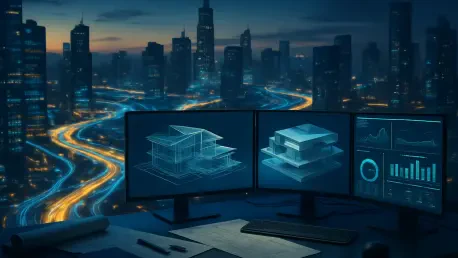
The infrastructure industry has long grappled with the limitations of static digital models that fail to capture the living, breathing complexity of modern urban environments. The recent announcement that TwinMaster has officially joined the Bentley Systems Ecosystem Catalog marks a transformative
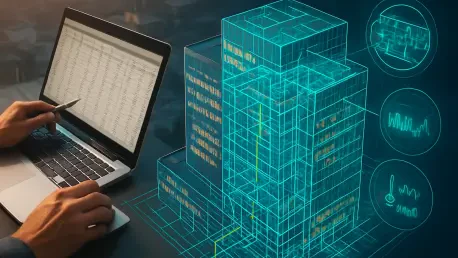
The historical approach to managing large-scale commercial real estate has long relied on fragmented spreadsheets and reactive maintenance schedules that often address problems only after they have caused significant operational disruptions. Today, however, digital twin technology has successfully
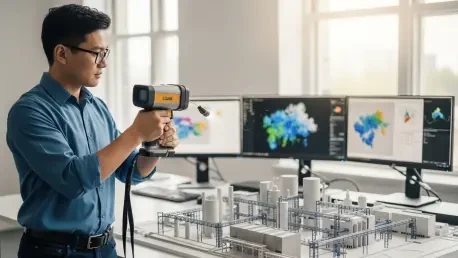
Luca Calarailli is a seasoned veteran in the construction industry, renowned for his deep expertise in architectural design and his relentless pursuit of technological innovation. With a career built on navigating the complexities of high-stakes projects, he has become a leading voice in how
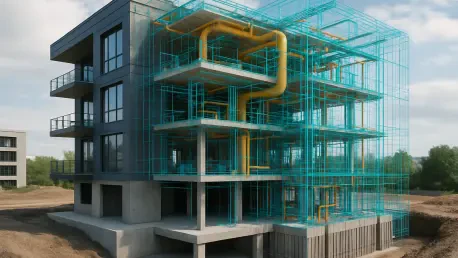
The engineering industry is currently traversing a critical juncture that mirrors the implementation of Building Information Modeling mandates from previous years, where the difference between success and failure rested on whether a firm treated the transition as a core operational evolution or a