
Urban environments often face the challenge of fragmented green spaces and historical industrial barriers that prevent residents from accessing natural amenities within their own neighborhoods. When public spaces are neglected or poorly planned, the social fabric of a community begins to fray, leading to a loss of collective identity and a decrease in public health outcomes. Professional landscape architects play a critical role in addressing these discrepancies by serving as the essential bridge between high-level urban planning and the practical needs of local citizens. Through a combination of technical proficiency and social advocacy, these professionals transform underutilized land into vibrant hubs of activity. This process requires a deep understanding of ecological systems alongside a commitment to democratic design, ensuring that every intervention serves both the environment and the people who inhabit it. By reclaiming forgotten waterfronts and establishing new trail networks, landscape designers are currently reshaping the physical and social infrastructure of modern American cities from 2026 through the end of the decade.
Educational Foundations and the Value of Technical Proficiency
The Impact of Rigorous Studio Training and Real-World Application
A comprehensive education in landscape architecture involves more than just mastering software; it requires a deep immersion in the studio environment where conceptual ideas meet practical constraints. For instance, programs like those at the University of Connecticut emphasize early exposure to municipal projects, such as developing downtown revitalization plans for local towns like Hebron. This type of hands-on experience allows students to understand the complexities of public-facing design long before they enter the professional workforce. By working directly with local stakeholders, emerging designers learn to balance the aesthetic desires of a community with the logistical realities of zoning, drainage, and pedestrian safety. These early academic challenges foster a mindset that views every design problem as a social opportunity, teaching students that their drawings have the power to influence how people move, interact, and feel within their local environments.
Furthermore, the mastery of traditional hand graphics remains a vital skill even in an increasingly digital world dominated by sophisticated modeling software. While modern computer-aided design tools provide precision, the ability to sketch ideas quickly by hand allows for a unique form of spontaneous collaboration with community members during field visits. When a planner can visualize a resident’s suggestion on paper in real-time, it builds a level of trust and transparency that a pre-rendered digital image often fails to achieve. This tactile approach to design ensures that the planning process remains accessible to those without technical backgrounds, democratizing the vision for a park or trail. By maintaining these fundamental artistic skills, landscape architects can facilitate a more inclusive dialogue, ensuring that the final output reflects the genuine aspirations of the people who will use the space daily.
Practical Field Experience as a Catalyst for Informed Planning
The transition from academic theory to professional practice often benefits from a period of direct engagement with the physical landscape through manual labor and maintenance. Professionals who spend time working in gardening or landscape installation gain a visceral understanding of how plants grow, how soil responds to weather, and how materials weather over time. This boots-on-the-ground experience provides a level of insight that cannot be replicated in a classroom or an office setting. Understanding the physical demands of maintaining a public space informs more sustainable design choices, as planners become acutely aware of the long-term implications of their specifications. A designer who has spent years pruning shrubs or managing irrigation systems is far more likely to select resilient species and durable materials that can withstand the rigors of public use while minimizing the need for costly, labor-intensive upkeep.
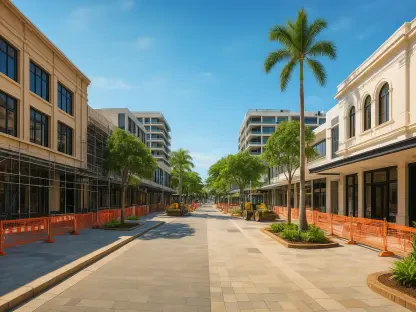
This practical background also fosters a deeper empathy for the maintenance crews who will eventually manage the completed projects. When a landscape architect understands the daily operational challenges of a park system, they can design layouts that are as efficient to maintain as they are beautiful to behold. This synergy between design and maintenance is crucial for the longevity of community infrastructure, preventing the common cycle of beautiful new parks falling into disrepair due to unrealistic management requirements. By integrating this field-tested knowledge into their planning strategies, architects ensure that their projects remain functional assets for decades. This holistic approach to the profession emphasizes that the work does not end when the construction fence comes down, but rather continues through the lifecycle of the landscape as it matures and evolves within the community.
Collaborative Initiatives and the Future of Urban Ecology
Reclaiming Waterfronts Through Strategic Community Partnerships
One of the most significant examples of landscape architecture’s power to effect change is the reclamation of industrial waterfronts for public use. In cities like Bridgeport, Connecticut, projects such as the “Sliver by the River” initiative demonstrate how partnerships between federal agencies and local organizations can unlock restricted natural resources. These projects often focus on areas where residents have historically been disconnected from the water due to manufacturing barriers or poor urban planning. By leveraging the resources of the National Park Service and the American Society of Landscape Architects, designers can provide the technical expertise needed to transform these sites into accessible recreational corridors. The success of these initiatives relies on the active participation of local volunteers and students, who provide the localized knowledge necessary to ensure the site meets the specific cultural and social needs of the neighborhood residents.
The collaborative nature of these projects serves a dual purpose by providing high-quality public space while also training the next generation of designers in the nuances of community-led development. When university students work alongside professional planners on active sites, they gain invaluable experience in navigating the complexities of urban ecology and social equity. This mentorship model ensures that the strategic vision of creating sustainable landscapes at the urban-rural interface is passed down and refined. By focusing on reclaiming these “slivers” of land, landscape architects prove that even small, neglected parcels can have a massive impact on the quality of life in a city. These waterfront parks become symbols of resilience and renewal, providing a place for residents to reconnect with nature and each other, ultimately fostering a stronger sense of local pride and ownership.
Facilitating Actionable Solutions for Environmental Conservation
The role of a community planner within organizations like the National Park Service involves providing the necessary resources and frameworks for local groups to turn their conservation dreams into reality. Often, passionate local advocates have a clear vision for a new trail or park but lack the technical vocabulary or planning experience to navigate the bureaucratic hurdles of land acquisition and environmental permitting. Landscape architects fill this gap by translating community desires into actionable plans that can secure funding and political support. This involves creating detailed feasibility studies, site assessments, and master plans that serve as the roadmap for future development. By offering these services for free to communities across all fifty states, professional planners ensure that high-quality design is not a luxury reserved only for wealthy municipalities, but a fundamental right for every citizen.
Looking forward, the focus of landscape architecture will continue to shift toward creating resilient infrastructure that can adapt to changing climate conditions while promoting social cohesion. The next steps for the profession involve integrating advanced ecological data with traditional community engagement methods to create spaces that are both environmentally functional and socially vibrant. This means prioritizing projects that mitigate urban heat islands, manage stormwater through green infrastructure, and provide safe, non-motorized transportation options. Professionals must continue to advocate for the inclusion of marginalized voices in the planning process, ensuring that the benefits of green space are distributed equitably across all zip codes. By remaining committed to this dual mission of ecological health and social justice, landscape architects will remain at the forefront of building the resilient, connected communities required for the challenges of the late 2020s.
The successful implementation of community-led landscape projects required a fundamental shift in how professionals engaged with the public. Designers moved beyond the role of the distant expert and instead became facilitators who prioritized the lived experiences of residents. This transition allowed for the creation of parks and trails that were not only ecologically sound but also deeply reflective of local heritage and social needs. By combining technical hand-sketching with advanced environmental analysis, planners were able to produce flexible designs that could evolve alongside the communities they served. These efforts resulted in a more equitable distribution of green space, proving that thoughtful landscape architecture was a primary driver of urban resilience and social stability. As these projects matured, they provided a clear blueprint for how professional expertise could be effectively harnessed to empower local volunteers and protect the natural environment for future generations.