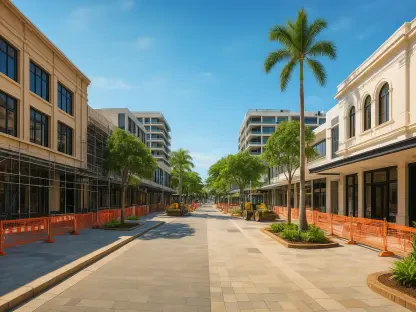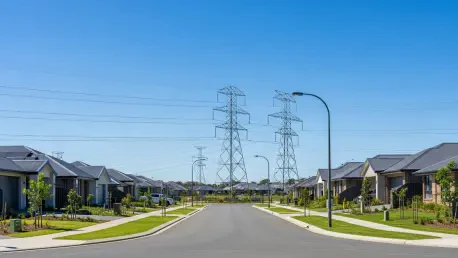

The quiet transformation of Wyee from a modest railway settlement into a primary engine for regional economic growth represents one of the most significant shifts in the New South Wales property market over the past several years. As the northern expansion of the Greater Sydney metropolitan area continues to collide with the southern growth of Newcastle, this specific pocket of Lake Macquarie has transitioned from a transit waypoint to a destination of choice. This evolution is driven by a unique combination of geographic convenience and deliberate urban planning that has unlocked the potential of thousands of acres. Investors and families alike are now prioritizing regions that offer a semi-rural lifestyle without sacrificing the logistical benefits of high-speed rail and major motorway access. The result is a vibrant real estate environment where demand consistently outstrips supply, leading to a robust appreciation of property values across the board. This trend signifies a broader movement toward decentralized living that remains highly connected.
Strategic Positioning and Infrastructure Development
The Hub of Connectivity: Rail and Road Integration
Central to the localized boom is the suburb’s exceptional positioning as a multimodal transit node that effectively bridges the gap between the Central Coast and the Hunter Region. The presence of a major railway station that serves as a primary stop for intercity services between Sydney and Newcastle provides a level of accessibility that few other regional towns can match. Commuters are able to enjoy a lifestyle defined by space and nature while maintaining professional ties to major employment hubs, a balance that has become increasingly essential in the current economic climate. Furthermore, the proximity to the M1 Motorway ensures that residents have seamless vehicular access to the surrounding commercial districts of Morisset and Tuggerah. This dual-access model has made the area highly attractive to logistics firms and service industries, which in turn fuels local employment and reinforces the long-term viability of the residential market for the foreseeable future.
Modern Utilities: Foundations for Residential Growth
While the transportation network serves as the skeleton of this development, the modernization of essential utility infrastructure has acted as the vital spark for residential densification. Significant investments in sewerage systems and water management protocols from 2026 to 2028 have resolved long-standing barriers that previously restricted large-scale subdivision of local land. These technical improvements allowed developers to transition away from traditional large-acreage lots toward more efficient, modern housing configurations that cater to a broader range of buyers. The expansion of high-speed telecommunications infrastructure has also played a pivotal role, catering to the growing number of remote professionals who require stable and fast connectivity to perform their duties. By modernizing these basic services, the local government has effectively cleared the path for sustained population growth. This proactive approach ensures that the community can handle an influx of new residents without compromising the quality of life.
Socioeconomic Drivers and Environmental Appeal
Community Living: Master-Planned Estate Dynamics
The emergence of master-planned communities has fundamentally altered the physical and social landscape of the area by introducing high-quality architectural standards and shared communal spaces. Large-scale developments like the Radcliffe estate have introduced a contemporary aesthetic that emphasizes the integration of residential dwellings with natural parklands and walking trails. These projects are meticulously designed to foster a sense of community, featuring centralized playgrounds, recreational facilities, and aesthetic landscaping that enhances the overall marketability of the suburb. Unlike older, piecemeal developments, these integrated communities provide a cohesive living environment that appeals to security-conscious families and retirees looking for low-maintenance options. The inclusion of diverse housing types, from freestanding family homes to more compact townhouses, ensures that the market remains accessible to various socioeconomic groups. This variety not only stabilizes property values but also creates a balanced neighborhood dynamic.
Economic Resilience: Yields and Long-Term Value
Analyzing the financial trajectory of the local housing market revealed a pattern of sustained growth that suggested the area remained undervalued despite the recent influx of capital investment. The transition of this region into a premier residential hub demonstrated the power of combining strategic infrastructure with lifestyle-focused urban design. Buyers who prioritized early entry into this market benefited from substantial equity growth as the suburb evolved from a rural outpost into a sophisticated suburban center. The successful integration of rail connectivity and modern housing estates provided a clear pathway for sustainable development that respected the local environment. Stakeholders concluded that the key to maintaining this momentum involved a continued focus on expanding local services and improving the quality of educational and healthcare facilities. Moving forward, potential residents and investors were encouraged to monitor the progress of new commercial precincts to identify emerging opportunities for growth. The historical performance of this market served as a compelling case study.