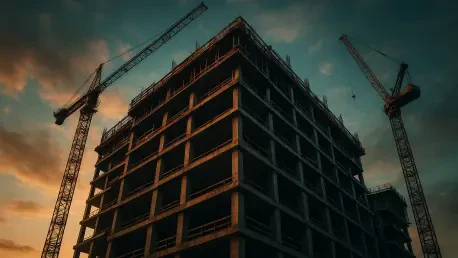

The physical condition of the Cebu City Medical Center has deteriorated to a point where current contractors refuse to accept liability for any further mechanical installations. This stalemate stems from structural assessments highlighting significant risks in the skeletal frame, which has been exposed to the elements for far too long. Local authorities find themselves in a precarious position as the public demands transparency regarding the stagnant progress of what was supposed to be a state-of-the-art facility. Since the start of the 2026 fiscal year, the site has remained a quiet monument to bureaucratic friction and engineering concerns. The scale of the neglect forced a reevaluation of original blueprints, as materials once deemed sufficient now fail to meet modern safety codes. This situation is further complicated by the lack of clear leadership, leading to a cycle of finger-pointing that does little to serve the city’s medical needs or restore confidence in public infrastructure.
Engineering Deadlocks: Safety and Liability Standards
Engineers onsite have noted that the integrity of the primary support beams is no longer guaranteed, creating a massive liability for any firm attempting to install HVAC or electrical systems. When a contractor steps onto a project of this magnitude, they typically inherit the risks associated with previous phases, but the current state of the CCMC structure is so precarious that no insurance provider is willing to underwrite the necessary coverage. This refusal has effectively halted all interior work, leaving the skeleton of the hospital vulnerable to further degradation. From the vantage point of 2026, the transition toward a completed facility by 2028 seems increasingly unlikely without a structural overhaul. Specialized teams required for medical gas piping and high-voltage wiring have essentially walked away, citing that foundational shifts in the building could lead to catastrophic system failures once the facility finally becomes operational for the local population in Cebu.
The shifting landscape of building regulations played a significant role in the current impasse, as codes updated in early 2026 made the existing framework obsolete. Structural retrofitting is now the only viable path forward, yet this process is notoriously expensive and time-consuming, often costing more than a complete rebuild. Technical consultants pointed out that moisture ingress in the lower levels compromised concrete density, a factor not fully addressed in earlier inspections. This oversight led to a fundamental disagreement between the city’s engineering department and the private firms tasked with the build. As the timeline stretches from 2026 into the latter half of the decade, the gap between the initial vision and the current reality widens. This technical disconnect remains the primary hurdle, as every month of inactivity allows the tropical climate to further weaken the exposed steel reinforcements of the skeletal hospital structure and its upper floors.
Governance and Financial Roadmaps: Seeking a Resolution
Beyond physical defects, the financial architecture of the project suffered from a chronic lack of transparency and a series of missed funding milestones. Initial estimates for completion were eclipsed by rising material costs and the necessity for emergency repairs on the existing structure. While the local government projected a smooth transition of funds from 2026 through the 2028 operational phase, the reality was a series of budgetary freezes and redirected resources. International donors and private sector partners grew wary of constant delays and the lack of a clear completion roadmap. This fiscal hesitation created a vacuum where crucial procurement orders for medical imaging equipment and specialized laboratory modules were canceled or postponed indefinitely. Without a stabilized budget that accounts for corrective work, the project remains a massive financial hole that continues to drain public resources while providing no tangible benefit to the community at large.
The resolution of the CCMC crisis required a shift toward independent third-party audits and an overhaul of the procurement strategy to restore public trust. Stakeholders identified that a decentralized management approach allowed for greater accountability and ensured that every cent of the healthcare budget was directed toward construction milestones. By decoupling the project from political cycles, the administration secured long-term stability for the 2026 to 2028 development window. This move paved the way for a new consortium of international contractors who prioritized structural remediation before attempting any interior installations. The city finally addressed liability concerns by providing government-backed indemnification for the mechanical engineers, which broke the long-standing deadlock. These strategic shifts transformed the project from a stagnant shell into a viable pathway for modern healthcare delivery. These lessons provided a solid blueprint for future works.