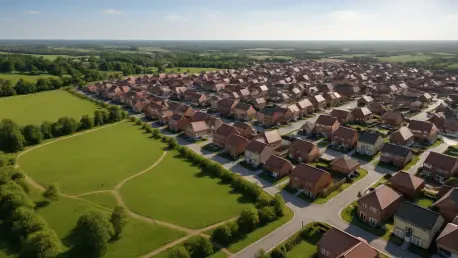

The successful transformation of the coastal landscape in Kent has reached a pivotal conclusion as the final units of the extensive Whitstable Heights residential development have been officially transferred to the Hyde Group. This monumental project, spearheaded by the Chartway Partnerships Group, represents a significant leap forward in addressing the regional housing shortage through a strategic collaboration with Homes England and the Canterbury City Council. By delivering a diverse portfolio of 400 homes ranging from one-bedroom apartments to spacious four-bedroom houses, the initiative has created a balanced ecosystem of living options. These include shared ownership, social rent, and affordable rent models, which collectively exceed the mandatory quotas for affordable housing set by local authorities. The completion of this scheme highlights how modern developers can successfully navigate the complexities of large-scale construction while maintaining a focus on high-quality architectural standards and accessible pricing for the local population.
Ecological Integration: Public Amenities and Biodiversity
A defining characteristic of this coastal expansion is the profound emphasis on environmental stewardship, evidenced by the allocation of approximately twenty hectares of land dedicated entirely to public open space. This vast green corridor, nearly fifty acres in total, serves as a natural buffer that integrates the new residential structures with the existing landscape of the Thanet Way corridor. To ensure long-term biodiversity, the developers oversaw the planting of over 5,800 trees and the cultivation of extensive meadowlands that provide vital habitats for local wildlife. Walking routes have been meticulously mapped out to connect various sectors of the site, encouraging residents to engage with the outdoors daily. Furthermore, the inclusion of community allotments provides a space for sustainable urban farming, allowing families to grow their own produce and foster a deeper connection with the land. This approach demonstrates a commitment to preserving the natural heritage of Whitstable.
Beyond the preservation of flora and fauna, the development incorporates a robust network of infrastructure designed to promote physical health and social interaction among residents of all ages. The site features a series of modern play areas, a multi-use games area, and a miniature football pitch, all of which are strategically located to be easily accessible from the residential clusters. A significant portion of this expansive green infrastructure, including the newly created extension to the Duncan Down area, has been formally designated as a permanent village green. This legal status ensures that the land will remain protected from future development and continue to serve as a communal asset for generations to come. Responsibility for the long-term management of these spaces has been handed over to the Canterbury City Council, ensuring that the maintenance of the recreational facilities and natural landscapes remains a priority for the broader community rather than just the immediate residents.
Regional Development: Economic Impact and Social Value
The broader implications of the Whitstable Heights project extend well beyond the provision of shelter, as the construction phase served as a powerful engine for local economic growth and professional development. By prioritizing local supply chains and trade professionals, the initiative injected over £2.3 million into the regional economy, supporting a variety of small businesses and specialized contractors throughout Kent. This commitment to the local workforce was further solidified through the creation of five dedicated apprenticeships, providing young people with essential hands-on experience in the modern construction industry. Additionally, specialized training programs were implemented for subcontractors to ensure that the workforce remained at the cutting edge of building technologies and safety standards. This investment in human capital has left a lasting legacy of skilled labor in the region, proving that large-scale housing projects can act as catalysts for professional advancement and sustainable economic stability.
Complementing the economic benefits was a targeted effort to strengthen the existing social fabric of the Whitstable community through direct investment in local infrastructure. The developers recognized that a thriving neighborhood requires more than just new houses; it necessitates the support of established community hubs that provide essential services. To this end, significant funding was provided for the internal renovation and electrical modernization of the Whitstable Umbrella Centre, a vital resource that serves a wide demographic of local residents. Within the new development itself, the transition from a construction site to a vibrant community has been marked by a growing sense of neighborly connection and safety. Early residents have highlighted the importance of the shared ownership model in providing their families with a level of long-term security that was previously unattainable in the coastal market. The thoughtful design of the shared spaces and allotments has already begun to foster a friendly environment for families.
Strategic Outlook: Sustainable Development and Future Resilience
The completion of this massive residential undertaking established a definitive benchmark for how public and private entities collaborated to resolve complex housing challenges. Stakeholders effectively balanced the urgent demand for new dwellings with the necessity of ecological preservation, ensuring that the coastal character of the region remained intact while the population grew. This partnership between Chartway and the Hyde Group functioned as a primary example of how shared goals and resources led to the delivery of high-quality, sustainable housing solutions. The project successfully avoided the pitfalls of isolated residential zones by integrating comprehensive green spaces and recreational facilities into the initial master plan. It was through this meticulous planning that the developers managed to foster a sense of belonging and long-term stability for hundreds of families. The resulting neighborhood demonstrated that professional stewardship over the land and a commitment to affordable housing quotas were not mutually exclusive objectives.
Moving forward, urban planners and private developers should look toward this model of environmental integration as a blueprint for future expansions in coastal and rural-fringe areas. The success of the project suggests that the early inclusion of local authorities in the management of green spaces is a crucial step for ensuring the longevity of public amenities. Furthermore, the strategy of investing in existing community centers alongside new builds provides a practical method for mitigating the strain that new residents might place on local services. Developers are encouraged to prioritize the creation of diverse tenure options, particularly shared ownership, to stabilize the local housing market against volatility. By adopting a holistic approach that treats social value and economic investment as core project requirements rather than afterthoughts, the industry can create more resilient communities. The finalization of this site serves as a reminder that the most successful projects are those that enhance the existing landscape.