
Luca Calarailli brings a wealth of experience to the table as a seasoned expert in architecture and construction, particularly in how technology and design converge to create modern urban environments. With an eye for innovation and a deep understanding of structural aesthetics, he has spent years navigating the complexities of large-scale developments. In this discussion, we dive into the ambitious Aylesbury Woodlands project, a 495-acre site poised to redefine the landscape of Buckinghamshire. Our conversation covers the intricate balance of creating high-density residential areas alongside vast commercial hubs, the technical hurdles of infrastructure integration, and the vital importance of preserving the natural environment within a growing urban footprint.
The discussion centers on the evolution of Aylesbury through strategic public-private partnerships, the logistics of major road expansions like the Eastern Link Road, and the socio-economic impact of a nature-led design that prioritizes both human health and regional biodiversity.
With over 1,100 homes and one million square feet of business space planned, how does this public-private partnership balance economic growth with residential needs? What specific criteria guided the selection of these diverse facilities, and how will they work together to create a self-sustaining community?
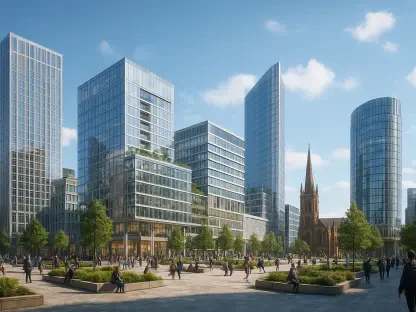
A project of this magnitude requires a delicate equilibrium where residents don’t just have a place to sleep, but a place to thrive. By integrating 1,100 high-quality homes, including 220 affordable units, with one million square feet of business space, we are effectively creating a “live-work” ecosystem that reduces the need for long-distance commuting. The selection criteria focused on diversity; we didn’t just want offices, we wanted a hotel, a conference center, and employment spaces that invite variety. When you walk through the plans, you see how the residential zones are woven into the community facilities so that a person can drop their kids at the new school and walk to a high-tech office within minutes. This synergy ensures that the economic engine of the business space supports the local tax base and services that residents rely on every day.
The Eastern Link Road is a critical component for connecting the new development to the A41. How will this infrastructure specifically alleviate local traffic congestion, and what technical challenges do you anticipate when integrating this new road network with existing award-winning developments in the surrounding area?
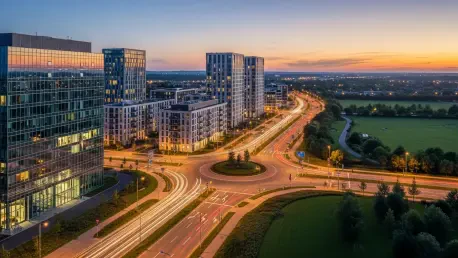
The Eastern Link Road (South) is the missing piece of the puzzle for the Aylesbury ring road, specifically designed to funnel traffic away from the town center and onto a more efficient arterial route. By linking the Woodlands site and the nearby Kingsbrook development directly to the A41, we are creating a streamlined corridor that takes the pressure off local residential streets. Technically, the challenge lies in the “stitching” process—ensuring that the new pavement and signaling systems talk to the existing infrastructure without disrupting the flow of the award-winning Kingsbrook site. We have to be incredibly precise with the grading and junction designs to ensure that the transition feels seamless for drivers and safe for pedestrians. It’s a massive undertaking that involves significant engineering foresight to prevent any bottlenecks as the population grows.
Roughly 344 acres of the site are dedicated to open green space and biodiversity enhancement. In what ways will this nature-led design improve the daily quality of life for residents, and what are the long-term strategies for preserving these informal and formal recreational areas?
Having 344 acres—roughly 58% of the total site—dedicated to green space is a game-changer for urban mental health and regional ecology. This nature-led design means that instead of a concrete jungle, residents will wake up to views of formal parks and informal meadows that act as “green lungs” for the community. These spaces aren’t just for show; they are part of a sophisticated biodiversity enhancement scheme designed to protect local wildlife while providing recreational outlets. Long-term preservation is baked into the partnership agreement, ensuring that these areas are managed as permanent assets rather than temporary landscaping. It creates a sensory experience where the smell of fresh grass and the sight of open horizons become a standard part of the suburban lifestyle.
The inclusion of a hotel, conference center, and significant employment space suggests a major shift for the local economy. How will these facilities attract high-tech industries to the region, and what specific types of job opportunities do you expect to emerge during the operational phases?
The goal is to move Aylesbury beyond being a commuter town and transform it into a destination for innovation. By providing a million square feet of modern employment space alongside a hotel and conference center, we are creating the professional infrastructure that high-tech firms crave for their headquarters and regional hubs. We anticipate a surge in roles ranging from specialized engineering and digital tech positions to hospitality management and corporate services. These facilities act as a magnet; when a tech company sees a brand-new conference center next to a sustainable residential community, they see a place where they can attract and retain top-tier talent. This isn’t just about temporary construction jobs; it’s about building a permanent, high-value workforce that will fuel the region for decades.
Developing a 40-acre sports village alongside new healthcare and school facilities represents a massive investment in social infrastructure. How will these amenities serve the broader region beyond the immediate residents, and what steps are being taken to ensure these facilities remain accessible and sustainable?
The 40-acre sports village is designed to be a regional heartbeat, offering pitches and facilities that will likely host leagues and tournaments from across the county. We are building this with a “shared-use” philosophy, meaning the schools and healthcare facilities are positioned to be accessible not just to Woodlands residents, but to those in the neighboring Hampden Fields and Kingsbrook areas. Sustainability is addressed through smart facility management and high-efficiency building standards, ensuring that the utility costs remain manageable for the long haul. We are also focusing on transit-oriented access, making sure that bike paths and footpaths connect these hubs to the wider Aylesbury area so that no one has to rely solely on a car to see a doctor or play a game of soccer. It’s about creating a social anchor that brings people together from all walks of life.
Following the resolution to improve the A41 roundabout junction, what are the next major hurdles for securing reserved matters planning permission? Could you walk through the timeline for the first 400 homes and the infrastructure milestones needed to unlock further development phases?
The recent resolution for the A41 roundabout was a massive win, as it effectively unlocks the physical gateway to the site. The next major hurdle is the reserved matters application, where we nail down the granular details of house designs, street layouts, and the exact placement of utilities for the first 400 homes. We are looking at a timeline where the infrastructure—the roads and primary drainage—must be laid out first to support the initial residential phase. Once those first homes are underway, it triggers the next set of milestones, including the commencement of the school and the first section of the business park. It is a phased “domino effect” where each piece of infrastructure provides the stability needed to launch the next 100 or 200 units.
What is your forecast for the Aylesbury Woodlands development?
I believe Aylesbury Woodlands will become the gold standard for how we build sustainable, large-scale communities in the 21st century. My forecast is that within the next decade, this site will be recognized not just as a housing project, but as a thriving economic engine that successfully blended 1,100 homes with a massive 344-acre natural footprint. We will see a shift where the one million square feet of business space becomes a hub for green tech and specialized services, creating a ripple effect of prosperity throughout Buckinghamshire. It will prove that you can have rapid growth and modern infrastructure while still significantly enhancing the biodiversity of the land.