
The transformation of the historic Kendals department store from a legacy retail landmark into a sprawling multi-functional district represents more than just a renovation; it signals a fundamental shift in how Manchester intends to survive and thrive in an increasingly digital world. As the traditional high-street model continues to fade into the background, the city has seized the opportunity to breathe new life into the St. Mary’s Parsonage district, moving away from a reliance on big-box commerce and toward a more resilient, mixed-use philosophy. This evolution is not merely a response to the closure of a store but a proactive strategy to ensure that the urban core remains a magnet for talent, investment, and social interaction. By reimagining the physical layout of the city center, the local government and its partners are creating a blueprint for a post-retail era where work, leisure, and residence are seamlessly integrated into a single, cohesive neighborhood. This transition marks the beginning of a new chapter for Manchester, one where the focus shifts from being a place to shop to being a place to live and innovate.
Reimagining the Urban Core through Human-Centric Design
Designing for Active Travel and Natural Integration
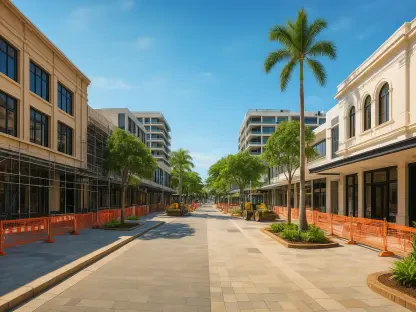
The movement strategy adopted for the redevelopment of St. Mary’s Parsonage places a radical emphasis on the human experience by prioritizing pedestrians and cyclists over the traditional dominance of motorized vehicles. By narrowing existing carriageways and expanding sidewalks, the plan creates a safer and more inviting environment that encourages residents and commuters to engage in active travel as their primary mode of transportation. This approach is intended to mitigate the noise and pollution typically associated with dense urban centers, effectively turning busy thoroughfares into calm, navigable corridors. The redesign of key junctions and the introduction of dedicated cycling lanes ensure that the district is not just a destination but a fluid part of the city’s broader transit network. By fostering this ease of movement, the city is successfully breaking down the physical barriers that once isolated different parts of the urban core, allowing for a more organic and spontaneous flow of people throughout the day.
Beyond the logistical improvements to transit, the strategy incorporates a sophisticated layer of natural integration known as the “green and blue” asset plan. This initiative involves the strategic placement of pocket parks, rain gardens, and water features that serve both an aesthetic and a functional purpose within the district’s infrastructure. These natural elements are designed to manage stormwater runoff and reduce the urban heat island effect, while also providing much-needed tranquil spaces for office workers and local residents to recharge. The inclusion of native plant species and biodiverse landscaping ensures that the environment remains resilient against the challenges of a changing climate. By focusing heavily on the spaces between the buildings, the council is creating a public realm that feels like a natural extension of the community’s social fabric rather than an afterthought. This commitment to environmental quality is a key driver in making the district a competitive location for businesses and a desirable neighborhood for high-quality urban living.
Enhancing Connectivity through Public Realm Improvements
The physical “sewing together” of the Kendals District with the surrounding neighborhoods like Spinningfields and the Medieval Quarter is a central pillar of the current urban regeneration efforts. By creating a unified aesthetic through consistent paving, lighting, and signage, the city is ensuring that the transition between different historic and modern zones feels intuitive and welcoming. This sense of continuity is vital for encouraging foot traffic and supporting the local economy, as it makes the entire city center feel more accessible and interconnected. The master plan specifically targets underutilized alleyways and backstreets, transforming them from neglected passages into vibrant, well-lit spaces that can host small-scale events, pop-up stalls, or outdoor dining. This granular focus on the micro-level of urban design ensures that every square foot of the district contributes to the overall vitality of the area, preventing the formation of “dead zones” that often plague traditional commercial districts.
Moreover, the emphasis on high-quality public space serves as a social equalizer, providing free and accessible areas where people from all walks of life can interact. The council’s vision for the district includes the creation of new squares that function as outdoor living rooms, equipped with modern seating and high-speed digital connectivity to support remote work and social gathering. These spaces are carefully curated to ensure they are active throughout the year, with infrastructure that can accommodate seasonal markets and cultural performances. By investing in the public realm first, the city is creating a value proposition that attracts private developers who see the long-term benefits of being located in a thriving, well-maintained neighborhood. This strategy effectively leverages the public’s investment to stimulate private sector growth, creating a virtuous cycle of improvement that benefits the entire metropolitan area. The result is a district that is not just a collection of buildings, but a living, breathing ecosystem designed to foster community and economic resilience.
Driving Economic and Residential Vitality
Scaling Commercial Infrastructure and Workplace Innovation
The economic ambition of the St. Mary’s Parsonage revamp is anchored by the delivery of over 1.2 million square feet of cutting-edge commercial space, designed to meet the evolving needs of the modern workforce. This massive expansion is specifically tailored to attract high-growth sectors such as technology, creative media, and professional services, providing the kind of flexible and collaborative environments that modern firms demand. By offering large-floorplate offices alongside smaller, agile co-working spaces, the district is positioning itself as a premier destination for both global corporations and local startups. This influx of commercial infrastructure is projected to support upwards of 10,000 new jobs, providing a substantial boost to the local labor market and reinforcing Manchester’s status as a leading economic hub. The design of these workplaces prioritizes sustainability and wellness, incorporating features like natural ventilation, ample daylight, and end-of-trip facilities for cyclists to ensure a healthy and productive environment for all employees.
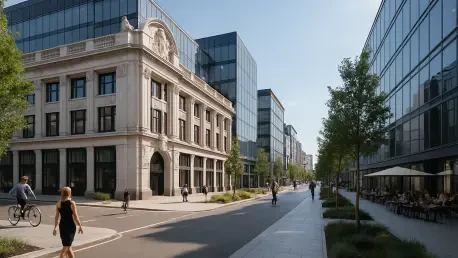
This focus on commercial density is balanced with a commitment to architectural excellence, ensuring that the new office developments complement the historic character of the original Kendals building. The integration of modern glass structures with restored heritage facades creates a unique aesthetic that appeals to businesses looking for a prestigious and distinctive address. This blend of the old and the new is a key differentiator for the district, allowing it to compete with other major global cities for international investment. Furthermore, the concentration of so many professionals in one area creates a powerful multiplier effect for the local service economy, as these workers provide a steady stream of customers for nearby cafes, restaurants, and shops. The strategic placement of these commercial assets ensures that the district remains a hive of activity during business hours, laying the groundwork for a robust and diversified local economy that is less vulnerable to the fluctuations of any single industry.
Developing Mixed-Use Hubs and High-End Hospitality
To ensure the district remains vibrant long after the standard workday concludes, the redevelopment plan integrates hundreds of new residential units and premium hotel accommodations. This move toward high-density, city-center living is a direct response to the increasing demand from young professionals and urban dwellers who want to live within walking distance of their workplace and leisure activities. The residential offerings range from luxury penthouses to more accessible apartments, catering to a diverse demographic and ensuring a balanced community profile. By introducing a permanent population to the area, the city is creating a 24-hour economy where local businesses can thrive at all times of the day and night. This constant presence of residents and visitors helps to improve public safety and social cohesion, as the streets remain active and well-observed, fostering a sense of security and belonging within the neighborhood.
The hospitality sector plays a crucial role in this mixed-use strategy, with several high-end hotel projects currently underway to serve the needs of business travelers and tourists alike. These hotels are not just places to stay; they are designed as social hubs that offer public-facing amenities such as rooftop bars, fine-dining restaurants, and wellness centers. This approach ensures that the hospitality assets contribute to the overall appeal of the district for residents and local workers, rather than being isolated enclaves for visitors. The presence of these world-class facilities enhances the prestige of the St. Mary’s Parsonage area, making it a “must-visit” destination on the city’s map. By carefully curating the mix of residential, commercial, and hospitality uses, the master plan creates a self-sustaining environment where each element supports the others. This synergy is what will ultimately define the success of the Kendals District, transforming it into a flagship example of modern, high-intensity urban living that can adapt to the changing needs of the 21st-century population.
Strategic Leadership and Collaborative Investment
Harmonizing Public Governance with Private Innovation
The massive transformation of this district is being steered by a sophisticated partnership between public governance and private sector expertise, most notably through the collaboration between Manchester City Council and Gary Neville’s Relentless Developments. This partnership model allows the city to benefit from the speed and innovation of private enterprise while ensuring that all projects align with the broader social and economic goals of the local government. A critical component of this strategy has been the £44 million investment from the Good Growth Fund, which has acted as a financial catalyst to de-risk the project and attract further private capital. This public funding has been essential for delivering the foundational infrastructure, such as the public realm improvements and transit upgrades, which are necessary to support high-density private developments. The council’s leadership, headed by Councillor Bev Craig, has been instrumental in navigating the complexities of urban planning and ensuring that the needs of the community remain a top priority throughout the process.
This collaborative approach extends beyond mere financing, as it involves a shared vision for architectural quality and heritage preservation that respects the city’s industrial past while looking toward a sustainable future. By working closely with developers, the council has been able to mandate high environmental standards and the inclusion of social value clauses that benefit local residents through training and employment opportunities. This ensures that the wealth generated by the redevelopment is shared more equitably across the city, fostering a sense of local ownership and pride in the project. The success of this model has proven that when the public and private sectors operate in lockstep, they can achieve results that neither could accomplish alone. The Kendals District now serves as a case study for other cities looking to revitalize their aging retail cores through strategic partnerships that prioritize long-term public benefit over short-term profit, setting a new standard for urban governance and development.
Establishing a New Blueprint for Global Urban Centers
The strategy implemented for the Kendals District demonstrated that urban decay is not an inevitability but an opportunity for radical reimagination. Authorities recognized that the old model of high-street retail had reached its expiration point, and they acted with a decisiveness that prioritized long-term utility over short-term fixes. By dismantling the barriers between commercial and social spaces, the city council and its private partners effectively fostered an environment where economic growth and community well-being were no longer mutually exclusive objectives. This transformation proved that when a city invests in its public realm, the private sector follows with renewed confidence and capital, creating a resilient neighborhood capable of weathering future economic shifts. The project successfully transitioned the area from a monolithic shopping destination into a diverse, multi-layered urban ecosystem that serves the needs of a modern, mobile, and highly connected population.
Cities facing similar retail declines should look toward the St. Mary’s Parsonage model as a definitive template for success. The primary takeaway is the necessity of a unified master plan that integrates transportation, ecology, and commerce into a single narrative, rather than treating them as separate silos. Future developments must continue to prioritize the “space between buildings” as much as the buildings themselves, ensuring that high-density urban living remains attractive through high-quality public amenities and green infrastructure. Stakeholders are encouraged to maintain this momentum by continuing to invest in multi-modal transit and biophilic design to ensure that Manchester remains a global leader in sustainable urbanism. The ultimate lesson is that the most successful urban centers are those that put people at the heart of their design, creating spaces that are flexible enough to evolve alongside the communities they serve. As the project reaches completion, the focus must shift to maintaining the high standards of management and community engagement that made this transformation possible in the first place.