
The transformation of a city center requires more than just new buildings; it demands a vision that bridges the gap between historic preservation and modern density. Luca Calarailli, an expert in construction and architecture with a deep focus on innovative urban design, provides a professional perspective on the ambitious Derbion Masterplan. This massive regeneration effort in Derby aims to breathe life into under-utilized spaces by integrating high-rise residential living with expansive public squares and green corridors. By examining the intersection of heritage, commercial viability, and community-focused infrastructure, this conversation explores how a former market and a retail park will become the new heart of the city.
What is the strategic significance of introducing over 1,100 new homes into the heart of Derby’s commercial district?
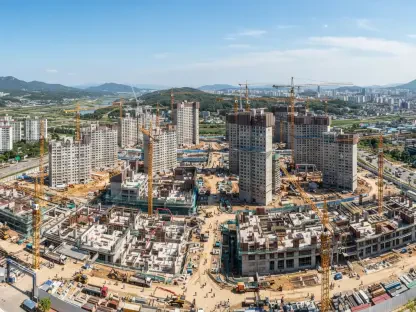
The scale of this project, specifically the 1,152 homes planned across the Derbion Masterplan, represents a fundamental shift in how we view the city center as a living ecosystem. By converting under-used land into high-density residential space, we are not just adding bedrooms; we are injecting a consistent stream of footfall that will sustain the 3,500 square meters of new commercial space. This approach moves away from the traditional model of a 9-to-5 business district and creates a 24-hour neighborhood where people live, work, and socialize in a single hub. The revitalization of the former Eagle Market and Bradshaw Way areas will act as a catalyst for the city’s longer-term success by turning empty lots into vibrant, active communities.
How do you approach the design of buildings that reach up to 19 storeys when they are situated so close to sensitive heritage sites like the Derwent Valley Mills?
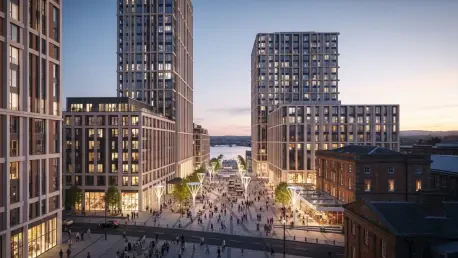
Working within the context of a World Heritage Site requires a delicate architectural touch and a deep respect for the existing townscape. At the Eagle Quarter, the 19-storey landmark building is designed to sit comfortably within the historic views of the Derwent Valley while still providing much-needed modern housing for 674 families. The planning process involved working closely with Historic England to ensure that these tall structures did not overshadow the nearby listed buildings or disrupt the city’s visual narrative. It is about creating a dialogue between the old and the new, ensuring that the height of the structures serves as a beacon of progress without clashing with the city’s rich industrial past.
Could you elaborate on the “Green Heart” concept and how it improves the way people move through the city?
The Green Heart is much more than just a bit of landscaping; it is a vital green boulevard designed to stitch together disparate parts of the city. By connecting the Derbion shopping center, the Derby Theatre, and Morledge, we are creating a walkable spine that encourages residents to explore their environment on foot. This masterplan introduces a large public square and new streets lined with ground-floor food and beverage units, making the journey through the city an experience rather than just a commute. It transforms the urban environment from a series of concrete blocks into a cohesive, breathable space that leads people naturally toward the River Derwent.
What was the motivation behind replacing the low-rise retail units at Bradshaw Way with a 14-storey residential development?
The existing Bradshaw Way Retail Park was a prime example of inefficient land use, dominated by surface parking and squat, single-story units that offered very little to the city’s skyline. By securing approval for 478 homes in buildings reaching up to 14 storeys, we are essentially reclaiming that land for the community and increasing its value manifold. This transition from car-centric retail to high-density living is a critical step in modern urbanism, especially in constrained city centers where space is a premium. It allows us to house hundreds of people on a footprint that previously only served a handful of shoppers, all while integrating new commercial units to maintain the street’s economic life.
How does the use of temporary features like padel courts and skateparks in the Eastern Gateway phase contribute to the long-term success of the project?
Temporary activations are a brilliant way to build social capital and test the waters before the heavy construction of the 2025 and 2026 phases begins. By bringing the former market hall back into use with a skatepark and padel courts, the development team is already attracting people to a site that was previously overlooked. This strategy, supported by the Future High Streets Fund, ensures that the area remains an active destination rather than a dead zone during the transition period. It creates an emotional connection between the residents and the space, proving that urban regeneration is as much about people and play as it is about bricks and mortar.
What is your forecast for the future of city center living in regional hubs like Derby?
I expect to see a continued move toward “complete neighborhoods” where everything a resident needs is within a short walk of their front door. The success of the Derbion Masterplan will likely set a precedent for other cities to reclaim their under-utilized retail parks and turn them into multi-use residential hubs. As we integrate more green infrastructure and focus on the visual impact of high-density housing, these city centers will become more resilient to economic shifts. We are entering an era where the city center is no longer just a place to shop, but a primary destination for sustainable, high-quality urban living.