
The American landscape is currently witnessing a tectonic shift as billions of dollars flow into a passenger rail network that has stood as a monument to deferred maintenance for decades. Under the guidance of the U.S. Department of Transportation, the nation is finally attempting to reconcile its status as a global economic leader with a transit system that often feels trapped in the previous century. This influx of capital, primarily derived from the 2021 Infrastructure Investment and Jobs Act, represents more than a simple budget increase; it is a calculated attempt to reboot the industrial and logistical framework of the United States. As travelers demand more sustainable and efficient alternatives to highway congestion and air travel, the focus has shifted toward whether this financial commitment can translate into a tangible, modern passenger experience.
The Legacy of Neglect and the Drive for Renewal
The current push for modernization cannot be understood without acknowledging the long period of “managed decline” that previously defined the American rail industry. For over half a century, Amtrak and regional rail authorities have been forced to operate with equipment and facilities that date back to the mid-20th century, resulting in a system characterized by frequent delays and aging infrastructure. This historical context provides the necessary perspective on why the current $6.7 billion grant allocation is described by industry observers as a “once-in-a-generation” intervention. The priority today is not merely the addition of new routes but the systematic repair of a foundational backlog that has historically hindered the speed and reliability of intercity travel.
Strengthening the Arteries of the Northeast and Beyond
Modernizing the Northeast Corridor and High-Traffic Hubs
The Northeast Corridor serves as the primary engine for American passenger rail, facilitating movement for over 15 million annual passengers between major economic centers. A dedicated $4.7 billion portion of the new federal funding is targeting this specific region, with a primary focus on the massive redevelopment of transit gateways such as New York’s Penn Station and Washington Union Station. These initiatives are designed to improve passenger flow and safety while allowing the federal government to exert greater oversight over the management of critical infrastructure. By increasing the capacity of these hubs, the rail network can better accommodate the record-breaking ridership levels that are currently being projected across the eastern seaboard.
Expanding the Scope Through National Safety and Integration
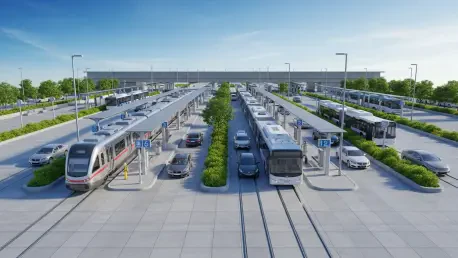
Beyond the dense population centers of the East Coast, the $2 billion Consolidated Rail Infrastructure and Safety Improvements program is working to stabilize the broader national network. This initiative is particularly focused on the friction points between passenger and freight rail, aiming to eliminate bottlenecks that frequently cause cascading delays across state lines. A key strategic element of this program is the promotion of “multimodal” transit, which seeks to integrate rail services with regional bus and local transit systems. This approach ensures that the benefits of modernization extend to rural and suburban communities, creating a more cohesive national transportation ecosystem that does not rely exclusively on the success of a single corridor.
Overhauling the Long-Distance Fleet for the Next Generation
A cornerstone of the current modernization strategy is the comprehensive replacement of Amtrak’s long-distance fleet, which includes rail cars that have been in continuous service for nearly 50 years. A $7 billion investment has been committed to procuring more than 800 new rail cars, marking a significant departure from the double-decker inventory that has long been the hallmark of transcontinental travel. The move toward a standardized, single-level fleet is intended to simplify maintenance schedules and improve accessibility for all passengers. While the full implementation of this new equipment will take time, the bidding and design processes currently underway signal a long-term commitment to preserving 14 vital transcontinental routes.
Navigating the Shift in Political and Economic Landscapes
The trajectory of American rail is increasingly defined by a tension between massive capital deployment and a shifting fiscal environment. While current agencies are moving quickly to award grants and finalize contracts, upcoming budget cycles for the 2027 fiscal year present significant risks, including proposals to reduce Amtrak’s funding by as much as 82%. This creates a pressurized atmosphere where the success of infrastructure projects depends on their ability to demonstrate immediate economic value to local stakeholders. Experts suggest that the longevity of these improvements will hinge on whether state governments can successfully argue that modern rail is an essential component of regional economic competitiveness rather than a discretionary federal expense.
Strategic Realities for Stakeholders and Passengers
The implications for the market are becoming increasingly clear as the rail network moves from a state of repair to a state of expansion. For regional planners and private businesses, the focus must now shift toward maximizing the land value and commercial opportunities surrounding updated transit hubs. For the industry, the transition to a standardized fleet offers a blueprint for lowering long-term operational costs and improving the reliability of schedules. However, stakeholders must recognize that the billions currently being spent on construction and procurement represent only the first phase of a broader evolution. Sustaining this momentum will require a consistent focus on operational efficiency and a willingness to adapt to the changing habits of the modern American traveler.
Securing the Future of American Mobility
The strategic push to revitalize the domestic rail network provided a vital foundation for a more connected and efficient national transit system. By addressing the deep-seated issues of infrastructure decay and fleet obsolescence, the federal government successfully initiated a transformation that aimed to bring American rail in line with international standards. Policymakers and industry leaders prioritized long-term reliability over short-term fixes, ensuring that the heavy investments in station hubs and safety protocols reached their intended targets. This period of intense development demonstrated that a well-funded rail system remained essential for economic resilience. Ultimately, the focus transitioned toward maintaining this new infrastructure to prevent a return to the era of neglect.