
Residential structures often appear permanent and unyielding, yet the intricate balance of engineering required to maintain safety necessitates constant vigilance from every homeowner. Recent shifts in building codes and the increasing frequency of climate-related stressors have made the traditional “set it and forget it” mentality a liability rather than a luxury for modern property owners. Experts emphasize that a home is a living machine, where failure in one minor component can lead to catastrophic structural or systemic collapse. As urban density increases from 2026 to 2028, the pressure on aging infrastructure and the complexity of new smart-home integrations create a unique landscape of risks. Navigating these challenges requires a sophisticated understanding of both traditional craftsmanship and cutting-edge diagnostic technology. This professional guidance aims to bridge the gap between simple aesthetic maintenance and the rigorous safety protocols used by commercial building inspectors to ensure the longevity of a residence.
Maintaining Structural Integrity: Foundation and Envelope Security
Assessing Foundation Stability: Monitoring the Core
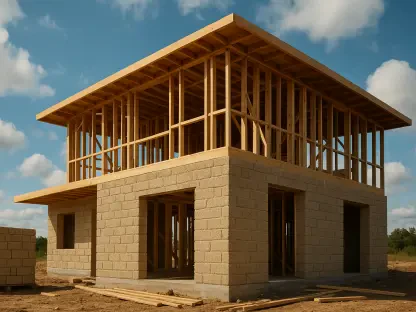
The foundation serves as the silent anchor of any residential property, yet its health is frequently compromised by environmental shifts that remain invisible until significant damage occurs. Subsurface soil fluctuations, driven by erratic precipitation patterns observed throughout the 2026-2027 cycle, can cause hydrostatic pressure to exert immense force on basement walls and slabs. Homeowners must learn to differentiate between harmless hairline settling cracks and structural fissures that indicate a serious shift in the load-bearing capacity of the earth beneath them. A fissure wider than a quarter-inch, or one that displays a stair-step pattern through masonry, suggests that the home is no longer supported uniformly. Effective water management remains the primary defense against such issues, as improperly graded landscapes or clogged gutter systems allow moisture to pool near the base, essentially liquefying the support structure and inviting rot into the sill plates.
Resilience Against Weather: Protecting the External Barrier
Building envelopes are the first line of defense against the elements, and their integrity is tested daily by high winds, torrential rain, and extreme thermal fluctuations. Experts recommend a biannual audit of the roofing system, focusing specifically on the flashing around chimneys and vent pipes where most leaks originate during heavy storms. As building materials evolve from 2026 to 2028, the adoption of impact-rated shingles and reinforced soffits has become standard for homes in high-risk corridors. These components are designed to prevent internal pressurization, which occurs when a breach in the roof or windows allows wind to enter the structure, potentially lifting the roof off the walls. Ensuring that hurricane clips and modern tie-down systems are properly installed can mean the difference between minor cosmetic damage and a total loss during a major weather event. Regular maintenance of these external barriers keeps the interior dry and structurally sound.
Modern Systems Management: Electrical and Indoor Safety
Electrical and Smart Systems: Managing Increased Loads
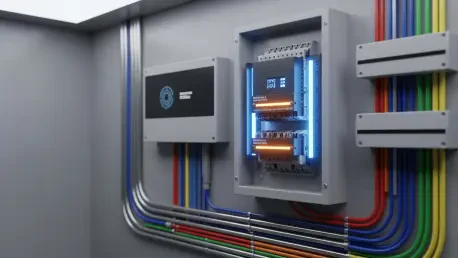
The rapid electrification of homes, including the installation of high-capacity electric vehicle chargers and heat pump systems, has placed unprecedented stress on older electrical panels. Many residential systems built before the current decade were designed for a peak load that is now routinely exceeded by modern appliances and digital infrastructure. Building experts highlight the necessity of upgrading to smart panels that provide real-time monitoring of energy consumption and can automatically shed non-essential loads to prevent overheating. Arc-fault circuit interrupters have also become mandatory in modern safety protocols, as they detect the specific electrical signatures of dangerous sparking that could lead to hidden fires within walls. Neglecting these updates can result in thermal degradation of wire insulation, which remains a leading cause of residential fires. Professionals stress that a panel evaluation is not just about capacity but about the precision of modern safety triggers.
Fire Prevention and Air Quality: Enhancing Indoor Health
Fire safety has transitioned from simple battery-operated alarms to sophisticated integrated detection systems that utilize photoelectric sensors to identify smoldering fires much faster than older technology. Modern building standards now favor interconnected units, ensuring that if a hazard is detected in a remote garage or basement, every occupant in the house is immediately alerted through a synchronized alarm. Beyond fire prevention, maintaining healthy indoor air quality is a critical but often overlooked component of home safety as structures become more airtight to improve energy efficiency. Experts advocate for the installation of energy recovery ventilators that facilitate a constant exchange of indoor and outdoor air while retaining thermal energy. High-efficiency particulate air filtration integrated into the HVAC system is also vital for removing airborne pathogens and allergens that compromise respiratory health. Monitoring these parameters ensures the living space remains a safe sanctuary.
Essential Future Considerations: Actionable Resilience Strategies
Securing a residential property required a shift toward comprehensive diagnostic routines and the adoption of resilient infrastructure. Homeowners who prioritized the inspection of structural foundations and the integration of smart electrical safeguards successfully mitigated many of the risks associated with modern living. Those who moved forward with these actionable steps established a robust framework for long-term safety, ensuring that their properties remained stable against both environmental and technological stressors. Looking ahead, the focus remained on continuous monitoring through the use of digital sensors and automated maintenance alerts. This proactive stance allowed individuals to identify potential failures before they escalated into expensive repairs or safety hazards. By following these expert protocols, the community strengthened the overall durability of the housing stock. The transition to a more vigilant approach to home management proved to be an essential investment in personal security and financial stability for the years that followed.