Insurers frequently mandate specific surveillance standards for
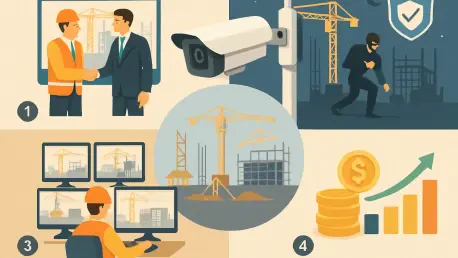
builder’s risk insurance to help mitigate the loss of equipment and materials. However, these requirements are only a starting point. High-definition visual monitoring has evolved into something more: a strategic asset that supports multiple aspects of construction management.
Stakeholders are starting to view these camera ecosystems differently. In the past, they were often positioned primarily as defensive tools against external threats. Currently, they are increasingly used as essential components of a broader data strategy.
Construction firms can use real-time visual feeds to help coordinate multi-layered workflows and manage diverse investor expectations. A robust digital perimeter
allows for transparency that was previously difficult to achieve. With visual intelligence, the industry may be better positioned to protect margins and ensure project continuity when economic conditions turn unpredictable.
Operational Intelligence and Logistical Coordination
Intelligent imaging technology can improve visibility into how materials and personnel move through active work zones. Real-time monitoring encourages project managers to observe heavy machinery coordination and subcontractor movements from a centralized dashboard.
This visibility can help decision-makers identify potential bottlenecks before they contribute to costly delays, turning video footage into operational information that supports both daily scheduling and long-term planning.
As sites evolve, smart camera units can be repositioned to maintain optimal coverage of critical zones. Flexibility helps maintain visibility across high-traffic areas where logistical conflicts might occur. Managers who monitor traffic patterns and equipment utilization
can make more informed decisions about stationary asset placement and potentially reduce unnecessary idling, which may help control operating costs.
Remote visual verification can also reduce the need for some physical inspections by lead architects and project owners. High-resolution zoom capabilities allow stakeholders to inspect structural details and finish quality from any location. This can help teams verify work against project specifications without the logistical burden of travel. It may also support faster review of completed milestones and help teams identify deviations from the master plan earlier. Therefore, projects can remain aligned with requirements while reducing some avoidable interruptions.
Safeguarding Assets and Personnel
Active surveillance can help maintain safety standards while protecting valuable site assets. Modern camera systems, including those equipped with AI-enabled analytics, may help identify when personnel aren’t wearing required protective equipment or when individuals enter hazardous exclusion zones. Periodic safety audits can create a continuous feedback loop, and captured incidents may provide useful training materials to prevent similar accidents.
Visual documentation can be valuable when structural failures or personal injury claims arise.
High-resolution time-lapse videos establish a timeline of site activity and provide objective evidence for project progression. This can be particularly advantageous in multi-year projects where staff turnover or fading memory could make it more difficult to preserve institutional knowledge. A definitive record of who was on-site and specific conditions at any given time may help teams investigate claims, resolve disputes, and assess responsibility more efficiently.
Security concerns also extend beyond safety compliance. Tool and material theft
remains a risk for the industry. Integrated security solutions
use motion sensors to monitor perimeters during after-hours periods when sites can be more vulnerable. When unauthorized activity is detected, automated alerts can notify designated personnel and, where configured, support intervention by issuing audio warnings and communicating with appropriate emergency or security contacts.
Insurance Alignment and Cost Control
A comprehensive construction camera network may support financial risk management through insurance and loss-prevention programs. Demonstrating commitment to rigorous site monitoring can provide useful documentation during discussions with insurance carriers, although any impact on premiums or coverage terms will depend on the carrier, policy, project, and applicable requirements.
Insurance companies
may require or recommend these systems for projects involving high-value materials or complex structural components. The initial investment in a surveillance network can be offset in some cases by avoided losses, reduced claim exposure, or insurance-related savings. However, these outcomes should be evaluated on a project-by-project basis.
Time-lapse and progress photography can be used to create marketing and stakeholder communication assets. High-quality visual records of project milestones can be shared with investors and potential tenants to demonstrate progress and build confidence. This visual documentation can support professional communications while illustrating progress on complex work. Detailed visual updates may also limit some of the administrative burden, allowing site teams to focus on core construction activities.
The longer-term value lies in the potential for data-driven improvement. Historical footage and logistical data can reveal workflow inefficiencies that teams can address in subsequent ventures. This type of review can drive continuous improvement in a margin-sensitive industry. Camera system benefits can be both immediate, through loss prevention and documentation, and strategic, through operational insights that may inform future planning and profitability.
Strategic Deployment Considerations
Implementation success
depends on several factors that firms can consider. Camera placement requires understanding both current site layouts and anticipated changes as construction progresses. Systems may need sufficient redundancy to maintain coverage when individual units require maintenance or repositioning. Network bandwidth should be capable of supporting multiple simultaneous high-resolution streams while maintaining an acceptable level of performance during periods of peak use.
Integration with existing project management platforms also deserves careful attention. The most valuable surveillance systems are designed to work as part of a broader technology environment rather than operate in isolation, with data that can support scheduling software, safety management systems, and stakeholder reporting tools. Integration may improve the return on investment by reducing duplicate data entry and enabling automated alerts when visual evidence appears inconsistent with reported progress.
Training represents another important factor. Site personnel should understand not just how to access footage but how to leverage it for daily decision-making. Project managers benefit from protocols that specify when visual verification should supplement or replace physical inspection. At the same time, clear guidelines can prevent both the underutilization of expensive systems and the overreliance on remote monitoring when decisions require hands-on assessment.
In Closing
Construction site camera systems are becoming an increasingly important part of how modern projects operate. The technology can address concerns around theft, safety, and insurance compliance while creating longer-term potential competitive advantages through operational intelligence and stakeholder transparency.
The firms gaining the most value from these investments are likely to be those that treat them as strategic infrastructure rather than defensive necessities. They integrate visual data into broader management systems, use historical footage to support continuous improvement, and leverage documentation capabilities to strengthen relationships with insurers and investors alike.
That said, implementation requires more than purchasing hardware. Success depends on thoughtful deployment planning, robust digital infrastructure, and organizational commitment to using the data responsibly and effectively.