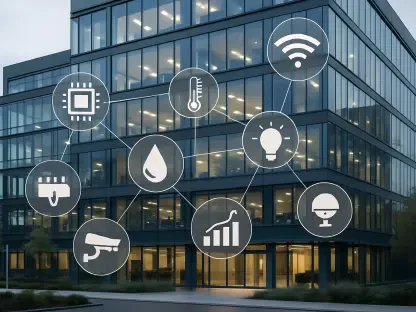
The very structures that house our lives and work are undergoing a profound transformation, moving beyond inert collections of steel and glass to become dynamic, responsive ecosystems. In Tokyo, a significant expansion of the Hitachi Building Solutions Lab serves as a powerful testament to this
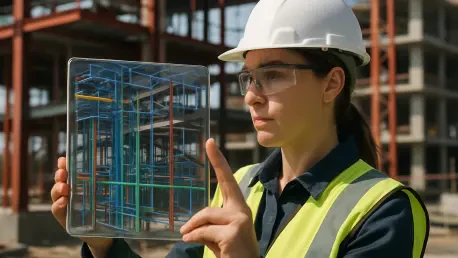
Building Information Modeling is rapidly transitioning from an advanced technological tool into the indispensable central nervous system for the global Architecture, Engineering, and Construction industry. This profound digital evolution moves beyond simple three-dimensional models to establish a

In the ongoing digital transformation of industries, many organizations have mistakenly adopted a single, unforgiving metric for artificial intelligence: the pursuit of absolute accuracy. This narrow focus on perfection is fundamentally misaligned with the complex realities of operations-heavy

In the highly competitive and rapidly evolving landscape of national retail construction, where consistency, speed, and quality across multiple locations are paramount, a general contractor's leadership structure can be the ultimate determinant of success or failure. Groom Construction Co., Inc., a
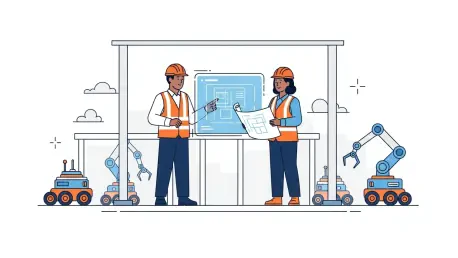
The construction industry is poised on the brink of a technological transformation, yet the promise of widespread robotic automation has been slow to materialize on job sites. This significant gap between potential and reality is not due to a failure of technology, but rather a profound lack of

The burgeoning landscape of the Internet of Things has long been shadowed by a persistent and frustrating paradox: while the potential for connected devices is nearly limitless, the actual process of bringing them to life remains mired in archaic and fragmented development practices. Engineers