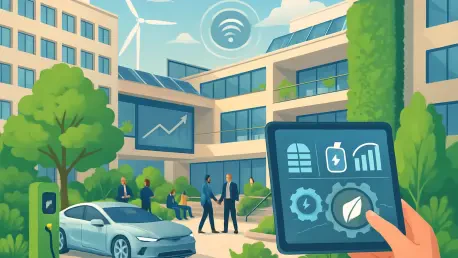
The rapid evolution of European urban landscapes requires existing commercial properties to undergo radical technological transformations to remain competitive and compliant with modern environmental standards. In the heart of Frankfurt, Germany, the Atrium Plaza stands as a definitive example of

The traditional model of property management, once reliant on manual oversight and reactive maintenance, is currently undergoing a radical metamorphosis as the fusion of artificial intelligence and digital twin technology turns static steel and glass into living, thinking ecosystems. In the
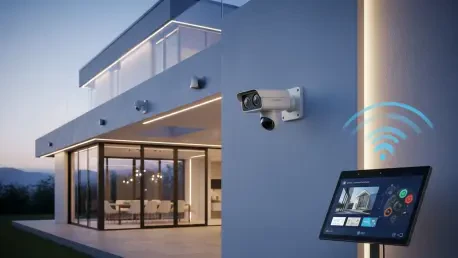
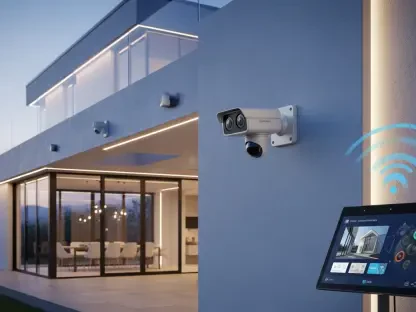
The transformation of the modern household has reached a pivotal juncture where technological integration is no longer a luxury but a fundamental requirement for efficient daily living. Xiaomi has strategically transitioned from its origins as a provider of budget-friendly alternatives to a
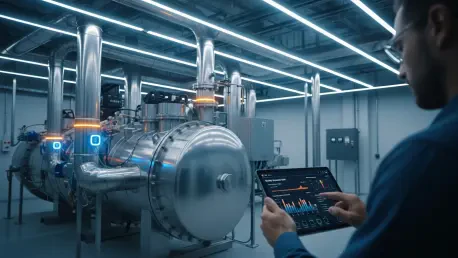
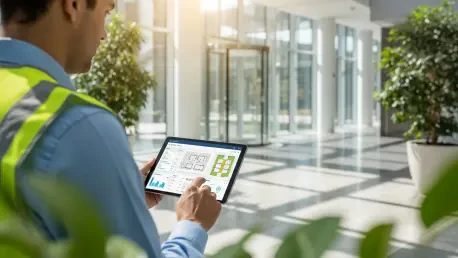
The traditional view of a building as a static shell of concrete and steel has rapidly dissolved into a new reality where infrastructure acts as a living, breathing data generator. This shift from manual oversight to highly sophisticated, data-driven management marks a significant turning point for
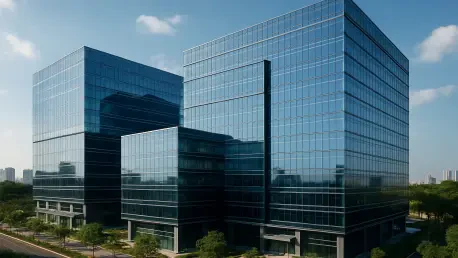
The landscape of India's commercial real estate is currently defined by a record-shattering 83.3 million square feet of leasing activity recorded in the most recent fiscal cycle, signaling a fundamental departure from traditional occupancy models. This expansion is not merely a reflection of
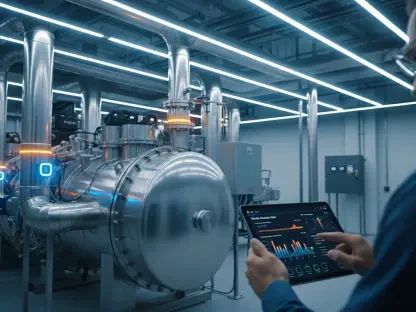
The European heating, ventilation, and air conditioning sector is currently navigating a period of unprecedented structural change that far exceeds simple seasonal demand cycles or incremental hardware updates. From its historical position as a standard utility industry, the market is rapidly