
Luca Calarailli is a prominent figure in the modern construction landscape, blending a deep background in architectural design with a relentless pursuit of technological innovation. As the industry faces a pivotal shift toward digitization, his expertise helps bridge the gap between traditional

The rapid integration of sophisticated digital tools into the traditional Canadian real estate sector has fundamentally altered how developers approach urban growth and infrastructure planning across the nation. This movement, widely known as Property Technology or Proptech, has successfully
The rapid convergence of machine learning and physical architecture has shifted from speculative experimentation to an essential framework for modern urban development. As urban populations continue to expand, the demand for smarter, more efficient structures has transformed artificial intelligence
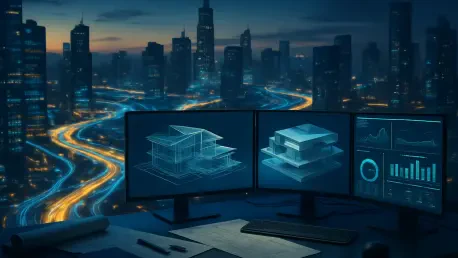
The infrastructure industry has long grappled with the limitations of static digital models that fail to capture the living, breathing complexity of modern urban environments. The recent announcement that TwinMaster has officially joined the Bentley Systems Ecosystem Catalog marks a transformative
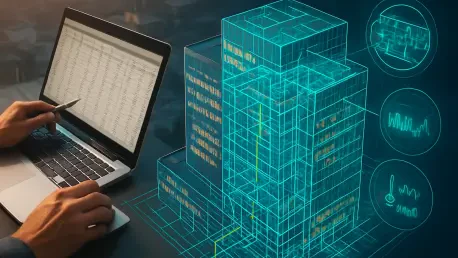
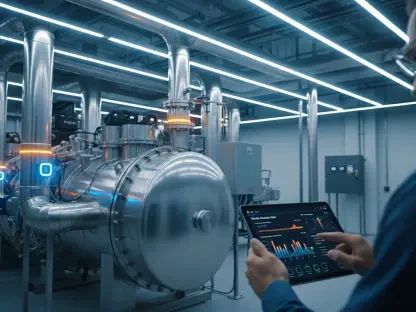
The historical approach to managing large-scale commercial real estate has long relied on fragmented spreadsheets and reactive maintenance schedules that often address problems only after they have caused significant operational disruptions. Today, however, digital twin technology has successfully
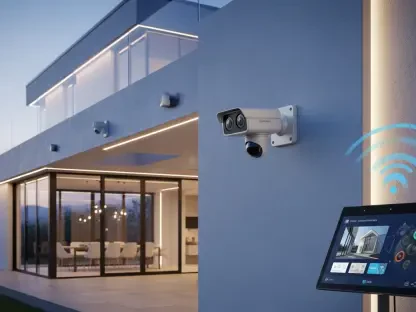
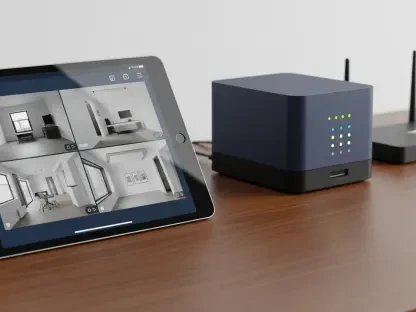
The promise of a seamless smart home environment where every device communicates flawlessly has hit a significant roadblock as the Google Home ecosystem struggles with a persistent reliability gap. While the marketing materials present an image of an intuitive hub capable of managing a modern