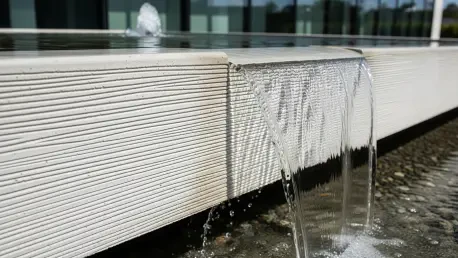

The evolution of high-end landscape architecture has shifted dramatically from traditional masonry and timber toward the sophisticated, sculptural possibilities afforded by advanced ultra-high-performance concrete. Homeowners and commercial developers alike are no longer satisfied with the cookie-cutter aesthetic of stamped patterns or simple grey slabs that dominated the early twenty-first century. Today, the material is treated as a versatile medium capable of mimicking natural stone or achieving impossible geometric shapes that defy gravity. This paradigm shift reflects a deeper desire for permanence combined with artistic expression in outdoor living spaces. Sophisticated casting techniques and chemical admixtures have transformed what was once a brutalist building block into a refined surface that rivals the elegance of Italian marble or exotic hardwoods. As urban heat islands become a greater concern, the thermal properties and reflective capabilities of specialized concrete mixes offer both functional and aesthetic advantages. This material now anchors the most ambitious exterior designs globally.
Structural Elegance: Advanced Composition and Performance
Innovation: Ultra-High-Performance Concrete (UHPC)
The technical foundation of modern luxury outdoor design lies in the widespread adoption of Ultra-High-Performance Concrete, a material characterized by exceptional compressive strength and durability. Unlike standard mixes that rely on coarse aggregates, UHPC utilizes fine powders and fiber reinforcement to create a dense matrix that is nearly impermeable to water and salt. This structural integrity allows designers to create cantilevered pool decks and razor-thin outdoor dining tables that would be structurally impossible with conventional materials. The density of the material also permits a level of finishing that is exceptionally smooth to the touch, often referred to as a silk finish, which elevates the tactile experience of the patio or garden walkway. Furthermore, the integration of photocatalytic agents into the mix helps maintain the pristine appearance of white and light-colored installations by breaking down organic pollutants through UV exposure. This ensures that the architectural investment remains visually striking for decades without the heavy maintenance usually required by natural stone.
Design: Custom Pigmentation and Texture Mapping
Color theory has found a new canvas in the world of architectural concrete, moving far beyond the monochromatic limitations of the past into a realm of bespoke hues. Modern liquid pigments and integral dyes allow for the precise matching of surrounding geological features or specific architectural palettes, ensuring a seamless transition between the built environment and the natural landscape. Beyond color, the use of sophisticated form liners and CNC-milled molds enables the creation of intricate textures that replicate everything from weathered driftwood to linear textiles. This level of customization allows a single material to serve multiple roles within a design, acting as a rugged retaining wall in one area and a polished, translucent water feature in another. When paired with sandblasting or acid-etching techniques, the surface can provide the necessary slip resistance for pool surrounds while maintaining a high-end, matte appearance. The result is a cohesive outdoor environment where the material feels intentional rather than utilitarian, reflecting the unique personality of the property.
Sustainable Integration: Environmental Synergy and Longevity
Efficiency: Thermal Management and Solar Reflectance
Integrating sustainable practices into luxury design is no longer an afterthought but a primary driver for the selection of high-end concrete solutions in 2026. Modern installations frequently utilize low-carbon cement alternatives and recycled glass aggregates to reduce the overall environmental footprint of the project. This shift toward eco-conscious luxury is complemented by the material’s inherent thermal mass, which plays a crucial role in regulating the temperature of outdoor entertainment areas. During the height of summer, specifically engineered cool-rated concrete surfaces reflect a significant portion of solar radiation, keeping walkways comfortable for bare feet even in direct sunlight. Conversely, these structures can be integrated with hydronic heating systems to extend the usability of outdoor kitchens and seating areas into the cooler months. By merging climate-responsive technology with structural design, architects are creating microclimates that maximize comfort while minimizing energy consumption. This synergy between high technology and raw mineral composition defines the current standard of responsible luxury.
Resilience: Future Proofing and Long-Term Adaptation
The transition toward these robust materials was finalized when industry leaders identified that long-term resilience was the ultimate luxury. It was determined that designers had to prioritize the integration of modular concrete components to ensure that outdoor environments could adapt to shifting soil conditions without structural failure. This led to a widespread recommendation for implementing subsurface moisture-monitoring systems beneath large-scale concrete installations to prevent hydrostatic pressure buildup. Professional associations established new protocols for selecting aggregates that minimized the carbon footprint of high-end residential projects, effectively turning concrete into a tool for environmental stewardship. These strategic shifts ensured that architectural investments maintained their value while providing a blueprint for sustainable development in private estates. By focusing on the intersection of chemistry and craftsmanship, the industry provided a definitive solution for the environmental challenges of 2026, ensuring that modern designs remained both beautiful and functional for generations.