
Melbourne’s urban landscape is currently undergoing a fundamental transformation as traditional residential development models yield to a sophisticated surge in institutional-grade rental housing spearheaded by global investment giants. This evolution represents more than just a shift in construction trends; it signifies a maturing of the Australian property market where long-term tenure and professionally managed communities are becoming the preferred standard for urban dwellers. As major players like Pembroke and Lendlease accelerate their pipelines from 2026 to 2028, the city is witnessing the birth of a localized asset class that mirrors the success of established multifamily sectors in North America and Europe. These developers are not merely building apartments but are instead curating lifestyle ecosystems that prioritize durability, sustainability, and resident wellness over the quick returns of individual unit sales. This structural pivot is attracting significant capital from pension funds and sovereign wealth entities eager for stable yields in a volatile global economy.
Scaling Residential Infrastructure: The Lendlease Exhibition Street Development
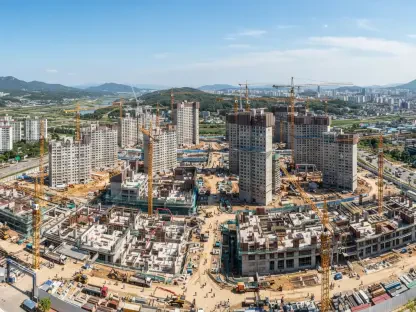
The flagship Exhibition Street project by Lendlease serves as a primary example of how institutional capital is being deployed to solve the pressing need for high-quality urban housing. By leveraging a strategic partnership with QuadReal Property Group, Lendlease has committed to delivering a multi-tower precinct that integrates high-end residential living with premium commercial amenities. This project is designed to cater to the growing demographic of “renters by choice”—professionals who value the flexibility of a lease but demand the amenities and security typically reserved for luxury homeowners. The development features an array of communal spaces, including fitness centers, co-working hubs, and rooftop gardens, all maintained by an on-site management team dedicated to resident satisfaction. By maintaining ownership of the entire building, the joint venture ensures that the physical asset remains in peak condition, protecting the long-term value of the investment while providing a superior living experience compared to the fragmented ownership seen in traditional apartment blocks.
Building on this foundation of quality, the construction phase of the Exhibition Street precinct has integrated cutting-edge sustainable technologies that align with modern environmental standards. The project targets a 5-star Green Star rating, utilizing low-carbon materials and energy-efficient systems to reduce the overall environmental footprint of the massive structure. This focus on sustainability is not merely an ethical choice but a financial one, as energy-efficient buildings attract higher-tier tenants and lower long-term maintenance costs. The inclusion of smart-building technology allows the management team to monitor energy consumption in real time and optimize building performance, ensuring that the development remains competitive in a market that increasingly prioritizes green credentials. This holistic approach to development demonstrates how large-scale institutional players can drive innovation in the construction sector, setting new benchmarks for energy performance and resident comfort that smaller, sell-and-exit developers are often unable or unwilling to meet.
Institutional Strategy: Pembroke and the Rise of Managed Communities
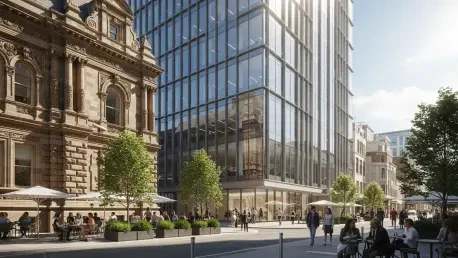
Pembroke’s entry into the Melbourne residential sector brings a distinct global perspective, focusing on the revitalization of heritage-listed assets and the creation of mixed-use environments that blend historical character with modern functionality. Their approach centers on the idea of “place-making,” where the value of a property is intrinsically linked to the vibrancy of the surrounding neighborhood and the quality of the on-site services. By focusing on long-term capital appreciation rather than immediate sales margins, Pembroke is able to invest more heavily in high-quality finishes and architectural details that stand the test of time. Their Melbourne portfolio emphasizes a service-first philosophy, where residents are treated as valued clients rather than temporary occupants. This model relies on sophisticated property management software and dedicated concierge services to streamline everything from parcel deliveries to maintenance requests. This operational efficiency is a key differentiator in the Build-to-Rent sector, as it fosters a sense of community and belonging that significantly reduces tenant turnover.
The market recognized that professional management outperformed the fragmented ownership of traditional rentals. Stakeholders adjusted their risk assessments to favor long-term stability over short-term capital gains during this transition. Developers adopted standardized property management software to streamline operations across large-scale portfolios. Municipalities provided clear tax incentives that accelerated construction timelines for major precincts. This shift established a new benchmark for housing security and community integration within the dense urban core. Moving forward, the industry successfully integrated mixed-use retail with high-density living to create self-sustaining neighborhoods. These steps ensured that the urban center remained vibrant and accessible to a diverse range of residents. Property owners implemented localized maintenance teams to respond to infrastructure issues within hours rather than weeks. This systemic change paved the way for a more sustainable and equitable urban future, solidifying Melbourne’s position as a global leader in institutional residential investment through 2026 and the years beyond.