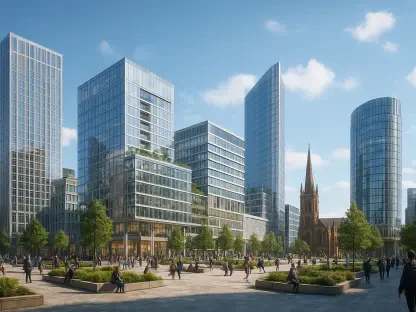

Northwest Arkansas has transformed into a high-stakes arena for real estate investment, recently witnessing a flurry of transactions exceeding $34.5 million that signal a major shift in the regional economy. This momentum is not merely a byproduct of general market trends but a result of deliberate, strategic expansion by major corporate players and philanthropic entities aiming to future-proof the local infrastructure. The rapid influx of capital into Bentonville, Rogers, and Springdale highlights a unique convergence of logistics, commerce, and high-end residential demand that is difficult to replicate elsewhere in the mid-south. As national investors cast their eyes toward this corner of the state, the local landscape is evolving from a quiet regional hub into a metropolitan corridor. This transition is marked by a move toward institutional-grade assets and land assembly projects designed to support a growing workforce. Such developments confirm that the area is a primary destination for wealth and long-term capital deployment. By analyzing these shifts, it becomes evident that the region is setting a new standard for urban planning and commercial viability.
Corporate Infrastructure: The Impact of High-Credit Tenant Demand
The primary catalyst for the current commercial surge remains the robust ecosystem surrounding the Fortune 500 companies anchored in the region, particularly the Walmart supplier community. Recent acquisitions highlight this trend, such as the $10.3 million purchase of the Clorox building, a facility that serves as a cornerstone for supplier operations in the area. Similarly, the $9.25 million acquisition of the Metro Park office facility underscores the high value placed on Class A office spaces that offer proximity to corporate headquarters. These transactions are driven by a need for high-credit tenants to maintain a physical presence near their primary business partners, ensuring that professional services and logistical coordination remain seamless. This demand creates a ripple effect, driving up property values and encouraging developers to focus on premium finishes and modern amenities that cater to a sophisticated corporate clientele. Consequently, the commercial sector is seeing stability.
Strategic Logistics: Proximity to Interstate 49 Transit Corridors
Location remains the most critical factor in these high-value deals, with investors prioritizing assets situated along major transit corridors like Interstate 49. The ability to navigate the region efficiently is paramount for businesses that rely on regional connectivity, and properties within striking distance of this highway are commanding significant premiums. Beyond the immediate logistical advantages, these locations offer visibility and accessibility that are essential for attracting top-tier talent in a competitive labor market. Developers are increasingly looking toward mixed-use projects that blend professional office space with accessible transit links, further solidifying the corridor’s role as the economic spine of Northwest Arkansas. This geographic concentration of wealth and industry has led to a tightening of available inventory, forcing new players to act decisively or risk being priced out. As a result, the market is characterized by a high degree of liquidity and a fast pace of closing for high-quality assets.
Institutional Expansion: The Bentonville Health Care Campus Initiative
While the commercial sector thrives on corporate necessity, institutional land assembly is providing the long-term vision needed to diversify the regional economy beyond retail and logistics. A prime example of this is the Alice L. Walton Foundation’s recent $8 million acquisition of the CoolWag property, a move that is part of a much larger strategy to develop the Bentonville Health Care Campus. This project aims to transform the city into a destination for medical services, research, and wellness, effectively adding a new pillar to the local economic structure. By investing in large tracts of land for specialized institutional use, these organizations are ensuring that the growth of the region is balanced and sustainable. Such developments attract specialized professionals from across the country, further increasing the demand for high-end services. This philanthropic-led investment model acts as a stabilizer, providing a hedge against market volatility by focusing on essential services.
Residential Innovation: The Rise of Build-to-Rent Luxury Housing
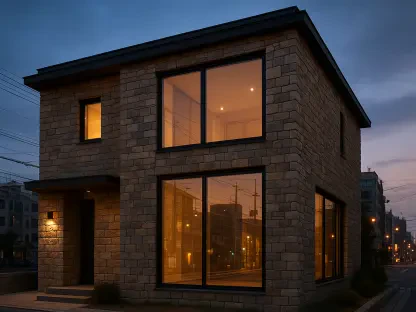
In tandem with institutional growth, the residential sector is undergoing a significant evolution to accommodate the influx of professional workers seeking a higher standard of living. The $7 million sale of The Mansion at Mill Creek in Springdale exemplifies a new category of build-to-rent luxury housing that combines the privacy of single-family homes with the convenience of traditional apartment living. These units often feature private garages and three-bedroom layouts, catering specifically to families and high-earning professionals who prioritize space and modern amenities. This shift reflects a broader trend toward upscale multi-family developments that are redefining the urban density of cities like Springdale and Rogers. By offering high-quality housing options that bridge the gap between suburban sprawl and urban centers, developers are successfully attracting a demographic that demands both luxury and flexibility. This residential maturity is essential for sustaining the growth of the sector.
Market Maturation: Institutional Investment and Financial Liquidity
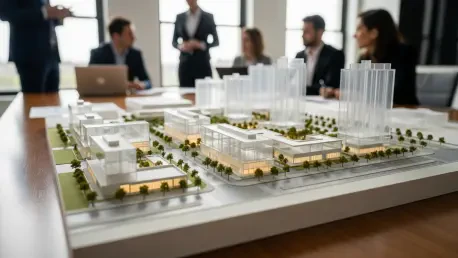
The financial performance of assets in Northwest Arkansas has reached a level of maturity that rivals much larger metropolitan areas, characterized by rapid and significant appreciation. Properties that were acquired just a few years ago are now being traded at prices that reflect gains of over 50%, a testament to the compounding value of the region’s economic successes. This environment is bolstered by a strong network of regional and national banks that are increasingly eager to provide the capital necessary for multi-million-dollar transactions. The willingness of these financial institutions to fund large-scale deals indicates a high level of confidence in the regional market’s long-term viability and liquidity. As local developers partner with larger investment groups, the scale of projects continues to grow, shifting the focus from individual buildings to entire districts. This influx of sophisticated capital is transforming the market into a safe-haven for investors seeking reliable returns.
Forward Outlook: Sustaining Value Through Strategic Asset Diversification
Stakeholders in the Northwest Arkansas real estate market effectively moved beyond short-term speculation to focus on the creation of high-value, future-proof assets that anchored regional stability. Investors who prioritized high-credit, single-tenant buildings and strategic acreage for institutional use positioned themselves to benefit from a market that matured into a national powerhouse for commercial activity. The synergy between corporate expansion and long-term community planning provided a clear roadmap for those seeking to maximize their returns while contributing to the region’s broader development goals. Moving forward, the focus shifted toward integrating advanced technology and sustainable practices into new constructions to meet evolving environmental standards. Property owners were encouraged to diversify their portfolios by including a mix of medical, office, and luxury residential holdings to mitigate sector-specific risks. By analyzing these trends, it became clear that success came to those who acted decisively.