
The persistent friction between conceptual structural design and the grit of the fabrication shop has long been the primary bottleneck in large-scale construction projects. As the industry moves further away from fragmented drafting and toward a truly “constructible” workflow, the demand for high-fidelity data has reached an all-time high. Modern infrastructure demands a level of precision where every bolt, weld, and rebar placement must be accounted for before a single piece of steel is cut or concrete is poured. This evolution is driven by the necessity to reduce material waste and minimize the costly rework that frequently plagues complex builds like stadium roofs or high-rise commercial towers. By prioritizing a data-first approach, engineering firms are now able to transform static models into living repositories of information that serve as the single source of truth for all stakeholders. This paradigm shift ensures that the digital twin created in the office accurately reflects the physical reality on the construction site.
Advancing the Constructible Lifecycle
Bridging the Gap: Integrating Design and Detailing
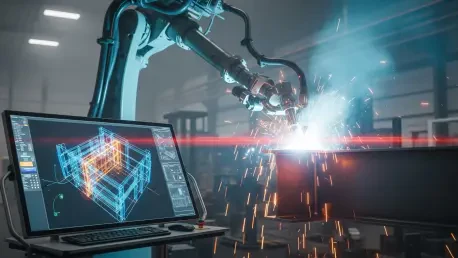
The current suite of structural tools addresses the historical disconnect between analysis and detailing by unifying specialized applications into a coherent ecosystem. At the heart of this environment, Tekla Structures and Tekla Structural Designer work in tandem to ensure that the mathematical rigor of engineering calculations translates directly into the physical geometry of the model. In the recent past, engineers often struggled with “opaque handoffs,” where critical data was lost or misinterpreted as it moved between different software platforms. This latest release prioritizes a seamless flow of information, allowing for the automatic generation of detailed shop drawings from the analyzed structural frame. By maintaining this continuity, teams can avoid the common pitfalls of manual data re-entry, which is frequently a source of human error in complex industrial projects. The focus remains on creating a model that is not just a visual representation but a precise set of instructions for the shop.
Furthermore, the integration of Tekla Tedds for automated calculations adds a layer of transparency and speed to the documentation process. Instead of managing separate spreadsheets or handwritten notes, engineers can now embed their calculations directly within the BIM environment. This ensures that when a structural change is made in the 3D model, the associated calculations and documentation are flagged for review or updated automatically. This level of synchronization is crucial for maintaining the integrity of the design throughout the inevitable revisions that occur during the construction lifecycle. By centralizing these tasks, the software reduces the administrative burden on senior engineers, allowing them to focus on high-level design challenges rather than repetitive data management. This approach not only improves the internal efficiency of the design firm but also enhances the reliability of the information passed to external partners and fabricators.
Operational Efficiency: Managing Fabrication and Logistics
Moving beyond the design phase, the inclusion of Tekla PowerFab within the ecosystem provides a robust solution for steel fabrication management and shop floor logistics. This tool bridges the final gap between the digital model and the physical manufacturing process by providing real-time visibility into the status of every component. Fabricators can track the progress of individual assemblies as they move through cutting, welding, and painting, with these updates reflecting directly back into the 3D model. This transparency allows project managers to identify potential delays before they impact the site schedule, enabling more accurate procurement and delivery planning. The ability to visualize the current state of fabrication within the BIM environment provides a powerful communication tool for stakeholders who need to coordinate the arrival of materials on tight urban sites where storage space is limited. This ensures the construction sequence remains optimized and fluid.
To support this high level of coordination, the software maintains exceptional interoperability through standardized file formats and a highly configurable API. This openness is essential in an era where multidisciplinary collaboration involves various software tools for architecture, mechanical systems, and civil engineering. By supporting Open BIM standards, the suite ensures that structural data can be shared and consumed without the loss of detail or metadata. Organizations can also develop custom automations and scripts to tailor the software to their specific fabrication processes or regional standards. This flexibility allows the system to scale from small local workshops to massive global fabrication firms. The end result is a more resilient supply chain where data flows as smoothly as the physical materials, reducing the risk of downtime and ensuring that the final structure is delivered according to the original design intent and safety specifications.
The Impact of Artificial Intelligence on BIM
Intelligent Automation: The Trimble Assistant and Beyond
A defining feature of the current technological landscape is the integration of artificial intelligence to simplify the user experience and accelerate complex modeling tasks. The introduction of the Trimble Assistant marks a significant step toward making high-level technical software more accessible to a broader range of users. This embedded AI guide provides real-time support, helping detailers navigate intricate features and resolve modeling issues without leaving the application. By learning from common user patterns and technical documentation, the assistant can offer contextual suggestions that reduce the time spent searching for specific commands or troubleshooting errors. This is particularly valuable in a fast-paced production environment where every minute saved in the modeling phase contributes to earlier delivery dates. The focus is on removing technical friction, allowing the user to remain in the creative flow of detailing.
Beyond simple guidance, the preview of the AI-powered Model and Drawing Assistant introduces the potential for executing complex actions through natural-language prompts. This shift toward plain-language commands represents a fundamental change in how professionals interact with BIM software. Instead of manually clicking through multiple menus to create a connection or generate a set of drawings, a detailer can simply describe the desired outcome. The AI then interprets the intent and performs the necessary geometric operations within the model. This capability is not intended to replace the expertise of the engineer but rather to act as a force multiplier that handles the tedious aspects of the job. As this technology continues to mature from 2026 to 2028, we can expect to see even more sophisticated applications of machine learning in areas like automated clash resolution and structural optimization, further pushing the boundaries of what is possible in digital construction.
Strategic Implementation: Future-Proofing Technical Workflows
Organizations that successfully adopted these advanced BIM methodologies realized significant gains in both project speed and bottom-line profitability. By moving away from general-purpose drafting tools and embracing fabrication-ready modeling, firms were able to resolve hundreds of potential field clashes before they reached the job site. This proactive stance allowed project managers to allocate resources more effectively, ensuring that the 2026 to 2028 period marked a turning point in digital construction maturity. The transition required a commitment to training and a shift in company culture, but the resulting reduction in material waste and labor hours provided a clear return on investment. Professionals who leveraged the configurable API to build custom automations further distinguished themselves in a competitive market. Ultimately, the successful deployment of these tools transformed the way structural assets were conceived, detailed, and delivered to clients across the globe.
To capitalize on these advancements, firms should prioritize the establishment of a robust data governance framework that supports the use of AI and integrated workflows. This involves ensuring that all project participants are aligned on data standards and that the digital models are treated as authoritative legal documents. Investing in ongoing education for staff is equally critical, as the shift toward AI-assisted modeling requires a different set of skills than traditional 2D drafting. Managers ought to look for opportunities to pilot these new tools on smaller, controlled projects before scaling them across the entire enterprise. By taking a measured and strategic approach to implementation, companies can minimize the disruption of the transition while maximizing the long-term benefits of increased accuracy and efficiency. The goal for the coming years is to foster an environment where technology serves to amplify human expertise, leading to a safer and more sustainable built environment for everyone.