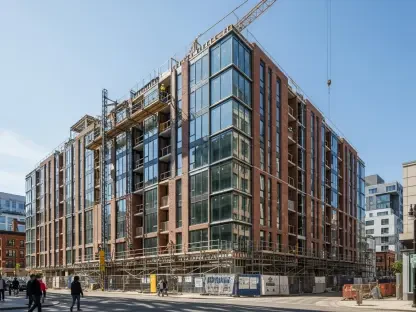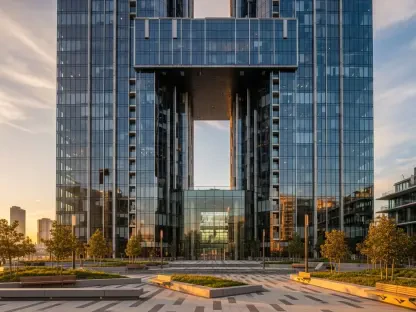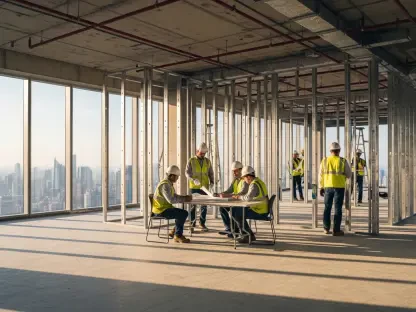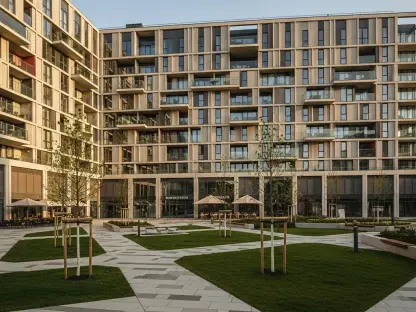

The rapid evolution of European urban landscapes requires existing commercial properties to undergo radical technological transformations to remain competitive and compliant with modern environmental standards. In the heart of Frankfurt, Germany, the Atrium Plaza stands as a definitive example of how a seven-story, 25,270-square-meter office building can be successfully reimagined through a partnership between Deka Immobilien and Siemens. The central challenge resided in modernizing the facility’s core infrastructure while it remained in operation, ensuring it met the rigorous demands of LEED Gold certification and the complexities of the current EU taxonomy. This transition represented a shift from traditional property management toward a high-performance smart facility model that prioritized both environmental impact and operational efficiency. By aligning with strict ESG criteria, the project demonstrated that legacy assets could be revitalized into high-value investments capable of meeting the ecological expectations of 2026.
Implementation of Unified Digital Ecosystems
At the technological heart of this modernization is the Desigo CC building management platform, which functions as an open-architecture digital core for the entire facility. This sophisticated system synthesized diverse building functions—ranging from fire safety and security protocols to intricate climate control and power distribution—into a single, cohesive framework. Unlike fragmented legacy systems that often operate in silos, this unified approach allowed for comprehensive oversight of the building’s technical health. By centralizing these operations, the facility achieved a level of synergy where different components communicated fluidly, reducing the risk of technical conflicts and streamlining the workflow for onsite management teams. This integration was not merely about control; it was about creating a responsive environment where energy could be distributed precisely where and when it was needed. The resulting ecosystem provided a robust foundation for the building to operate as a singular, intelligent organism rather than a collection of parts.
To ensure the Atrium Plaza remained at the forefront of innovation, the implementation utilized a cloud-based “as-a-service” model for its software and IT infrastructure. This strategic choice allowed for seamless updates and remote accessibility, ensuring that the building’s management tools were always current without requiring frequent physical hardware overhauls. By shifting to a subscription-based digital infrastructure, the property gained the flexibility to scale its technical capabilities as new needs emerged throughout 2026. This cloud connectivity also enabled expert off-site teams to monitor performance and provide support in real-time, significantly increasing the resilience of the building’s operations. The model effectively future-proofed the facility, as software-driven enhancements could be deployed instantly to improve security or energy efficiency. Consequently, the building transitioned away from reactive maintenance patterns toward a proactive stance, where digital agility became a primary driver of long-term asset stability and technological relevance in a fast-paced market.
Predictive Modeling and Environmental Efficiency
A significant component of the modernization process focused on achieving unprecedented levels of data-driven transparency through 24/7 monitoring and intuitive visualization. By installing advanced digital dashboards, the management team gained the ability to analyze all relevant building data in real-time, turning raw metrics into actionable insights. This visibility was crucial for identifying subtle inefficiencies that would have otherwise gone unnoticed in a building of this scale. The integration of sensors throughout the seven-story structure allowed for the constant tracking of occupancy levels, energy draws, and ambient conditions. This granular level of detail ensured that every kilowatt of power and every liter of water used could be accounted for and optimized. The transparency provided by these tools also facilitated easier reporting for ESG compliance, as accurate data was readily available for auditors and stakeholders. This transformation of information into a visual narrative empowered decision-makers to refine operational strategies with high precision and confidence.
Beyond simple monitoring, the project introduced thermodynamic building models that incorporated external variables like weather patterns and internal usage trends. This advanced simulation capability enabled the predictive operation of technical equipment, allowing the building to adjust its climate control and energy consumption before external temperature shifts occurred. For instance, if a heatwave was forecasted for Frankfurt, the system could pre-cool the structure during off-peak hours to minimize the strain on the electrical grid and reduce peak-time cooling costs. This intelligent foresight meant the building was no longer merely reacting to its environment but was actively preparing for it. Such predictive capabilities were essential for maintaining a stable and comfortable environment for tenants while simultaneously lowering the building’s carbon footprint. The ability to anticipate system demands rather than responding to them after the fact represented a major leap forward in sustainable urban development, proving that smart tech could bridge the gap between comfort and conservation.
Strategic Outcomes for Modern Real Estate
The modernization of the Atrium Plaza highlighted a broader industry trend toward holistic real estate management where sustainability and economic performance were inextricably linked. By upgrading the facility while it was occupied, the project demonstrated that existing urban assets could be brought up to modern standards without the massive carbon expenditure associated with new construction. This approach was vital for meeting the requirements of the EU taxonomy, which has placed increasing pressure on investors to decarbonize their portfolios. The synthesis of Internet of Things (IoT) technologies and intelligent data analytics resulted in a substantial reduction in annual operating costs, directly enhancing the property’s net operating income. Furthermore, the achievement of LEED Gold certification signaled to the market that the building was a premium, responsible destination for global tenants. This strategic investment in smart technology ultimately served to protect the long-term value of the asset, ensuring it remained a cornerstone of the Frankfurt office market.
The successful transformation of the Atrium Plaza established a clear roadmap for the future of sustainable commercial architecture in metropolitan hubs. Investors and developers recognized that the integration of open platforms and predictive analytics was no longer an optional luxury but a fundamental necessity for asset preservation. Throughout the implementation, the focus remained on actionable data and system interoperability, which allowed the facility to exceed the rigorous benchmarks set by European environmental regulations. By prioritizing high-performance digital ecosystems, the stakeholders ensured that the building operated with maximum efficiency while providing a superior occupant experience. This project proved that technical upgrades could be executed seamlessly without disrupting daily business activities, providing a viable model for other aging office structures across the globe. Moving forward, the industry adopted these smart methodologies to bridge the gap between financial returns and ecological responsibility, cementing the role of data as the primary driver of modern urban sustainability.