
The transition of home security from an expensive professional luxury to a fundamental component of the modern smart home has accelerated significantly as retail events like the Amazon Big Spring Sale offer accessible entry points for advanced technology. Property owners often utilize these seasonal shifts to audit their residential safety measures, seeking out hardware that provides both peace of mind and seamless integration with existing digital ecosystems. Major retailers have recognized this demand by slashing prices on essential devices, including doorbell cameras, indoor monitors, and comprehensive outdoor surveillance systems. This shift has democratized high-end protection, allowing households to deploy sophisticated monitoring networks that were previously reserved for high-budget commercial installations. By focusing on visual fidelity and intelligent detection, the current market empowers users to take a proactive stance against potential threats rather than relying on reactive measures that only provide evidence after an incident has occurred.
Maximizing Entryway and Indoor Protection
Revolutionizing the Front Door Experience: Advanced Visibility
Modern entryway security has moved far beyond the simple peephole or standard doorbell, evolving into a sophisticated gatekeeper system that monitors every interaction at the primary access point of a home. The introduction of “head-to-toe” visibility through a 150-degree field of view ensures that no detail is missed, allowing homeowners to see both the facial features of a visitor and the packages resting on the porch floor. This vertical orientation addresses a critical gap in traditional camera designs, which often left a blind spot directly beneath the lens where many deliveries are typically placed. Furthermore, the implementation of 1536p resolution provides a level of clarity that makes it possible to read small text or identify subtle clothing details from a distance. As these high-resolution sensors become standard in battery-powered units, the need for complex wiring has decreased, making it simpler for renters and homeowners alike to upgrade their front-door security during major seasonal sales events.
Beyond resolution, the integration of advanced lighting technology such as color night vision has fundamentally changed how residential perimeters are monitored during the late-night hours. Traditional infrared sensors often resulted in monochromatic, washed-out images that obscured identifying characteristics like the color of a vehicle or a person’s jacket. In contrast, modern sensors can capture vibrant, full-color video even in low-light conditions, providing a much higher degree of accuracy for law enforcement or personal verification. This development is particularly useful for detecting package theft or identifying unwelcome guests before they reach the door. When combined with two-way audio and pre-recorded responses, these doorbells serve as an active deterrent rather than a reactive recording tool. Homeowners can now communicate with delivery drivers or warn off trespassers from anywhere in the world, creating a sense of presence that significantly enhances the overall safety of the household without requiring a physical response.
Enhancing Internal Home Monitoring: Precision and Density
Indoor security has pivoted toward a strategy of high-density coverage, where compact cameras provide sharp monitoring for sensitive internal areas, entry points, and even household pets. These small-form-factor devices demonstrate how much technology can be packed into a lightweight frame, often featuring 2K resolution sensors that rival much larger outdoor units in terms of clarity and detail. The primary advantage of these indoor systems lies in their versatility; they can be discreetly placed on bookshelves, mounted in corners, or even used as baby monitors. With the current trend of multi-pack offerings, consumers can easily outfit several rooms simultaneously for the cost of a single high-end outdoor camera. This creates a comprehensive internal safety net that alerts residents to unusual activity or emergencies, such as a fire or a break-in, in real time. The ability to monitor multiple zones through a single application simplifies management and ensures that no part of the home is left unobserved.
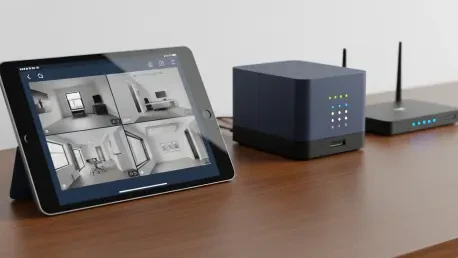
The hardware used for internal monitoring has also seen significant improvements in motion tracking and privacy controls, which are essential for devices placed inside a private residence. Modern indoor cameras often include physical privacy shutters or software-based geofencing that automatically disables recording when authorized residents are home. This balance between surveillance and privacy is a key consideration for the current generation of smart home adopters who want the benefits of security without feeling monitored in their own living spaces. Additionally, the integration of 4x digital zoom and wide-angle lenses allows a single camera to cover an entire living room or basement with minimal blind spots. When these devices are connected to a central hub or smart display, they transform into a unified command center, allowing users to view live feeds from across the house with a simple voice command. This level of interconnectivity ensures that indoor monitoring remains a functional and non-intrusive part of the modern lifestyle.
Securing the Property Perimeter
Advanced Deterrence: Integrated All-in-One Systems
Modern outdoor security has shifted its focus from merely recording events to actively deterring intruders before they can reach a point of entry. Integrated units now combine high-intensity floodlights with 360-degree motion tracking and sirens to create a formidable first line of defense for the property perimeter. These all-in-one systems eliminate the logistical challenge of installing separate lighting and surveillance hardware, providing a streamlined approach to home protection. A powerful 1,500-lumen floodlight can instantly illuminate a driveway or backyard when motion is detected, often scaring off potential trespassers who prefer to operate under the cover of darkness. This proactive response is a significant upgrade over traditional cameras that might record a theft but do nothing to stop it. By using intelligent sensors, these systems can distinguish between a swaying tree branch and a person approaching a window, ensuring that the lights and sirens are only triggered during genuine security concerns.
Weather resistance and durability are also paramount in the design of current outdoor surveillance hardware, ensuring consistent performance in extreme environments. Devices rated with IP65 or higher standards are built to withstand heavy rain, snow, and fluctuating temperatures from 2026 and beyond, making them reliable assets for year-round protection. This robustness is coupled with high-capacity battery technology or solar-powered options that minimize the need for frequent maintenance or battery swaps. For homeowners with large properties, the ability to link multiple outdoor units together provides a synchronized defense where the activation of one light can trigger cameras across the entire perimeter. This interconnected behavior ensures that there are no gaps in the surveillance net and that any movement is tracked across multiple viewing angles. As these professional-grade features become more affordable during sales events, outfitting a suburban home with commercial-level perimeter defense has become a realistic goal for many families.
Rise of Local Storage: AI-Driven Detection Logic
A growing trend among privacy-conscious consumers is the deliberate preference for local storage options, which serve as a powerful alternative to recurring monthly subscription fees. By utilizing internal microSD card slots or local base stations, users can manage their own data and retain complete control over their recorded footage without relying on external cloud servers. This approach not only saves money over the long term but also ensures that critical security data remains accessible even during internet outages. Local storage eliminates the “subscription wall” that often locks high-resolution video and historical records behind a paywall, making the initial investment in hardware more valuable. This shift toward self-hosted data management reflects a broader movement in the tech industry where users are seeking more autonomy over their personal information and household data. For many, the peace of mind that comes from knowing their private video feeds are stored securely within their own walls is a major selling point.
Complementing this move toward local storage is the democratization of artificial intelligence, which allows even budget-friendly cameras to perform complex image analysis locally. Modern security processors are now powerful enough to execute “edge computing,” where the camera categorizes objects in real time rather than sending frames to a remote server for processing. This allows the system to distinguish between people, pets, and vehicles with incredible accuracy, significantly reducing the frequency of false notifications. Homeowners no longer have to sift through dozens of alerts triggered by a neighbor’s cat or a passing car; instead, they receive specific notifications when a human is detected in a restricted zone. This intelligent filtering ensures that when a phone buzzes with a security alert, the user knows it requires immediate attention. The combination of AI-driven precision and local data sovereignty has set a new benchmark for what consumers expect from their home security investments in the current market.
Evaluating Value and Technological Longevity
Balancing Hardware Savings: Long-Term Operational Costs
While the deep discounts found during the Amazon Spring Sale provide an immediate financial incentive to upgrade hardware, savvy consumers must carefully weigh these upfront savings against the long-term costs of operational service plans. Many leading brands in the security space utilize a “razor-and-blades” business model, where the camera hardware is sold at a near-loss to secure a permanent stream of subscription revenue. Without these monthly plans, many advanced features such as extended video history, person sharing, and specialized AI detection may be disabled. This creates a scenario where a $50 camera could eventually cost hundreds of dollars over several years of ownership. Therefore, it is essential to research the specific limitations of a device when used without a cloud plan. Understanding the total cost of ownership allows for a more accurate comparison between brands that require subscriptions and those that offer full functionality through local storage and one-time purchases.
Ecosystem lock-in is another factor that influences the long-term value of a security investment, as most devices are designed to work best within their own brand’s software environment. When a homeowner chooses a specific camera line, they are often committing to a broader ecosystem of smart displays, door locks, and lighting controls that share the same application. This synergy provides a more cohesive user experience, but it can also make it difficult and expensive to switch brands later if service fees increase or if the hardware becomes obsolete. Buyers should consider the history of a manufacturer’s software support and their commitment to cross-platform compatibility, such as the Matter smart home standard, which aims to make devices from different brands work together seamlessly. By prioritizing hardware that offers flexibility and robust stand-alone features, consumers can ensure that their Spring Sale purchases remain functional and cost-effective throughout the life of the product.
Effective Implementation: Future of Frictionless Security
The consensus among technology experts suggested that home security moved toward a “frictionless” experience where installation and management required minimal technical expertise. Wire-free designs and magnetic mounting systems allowed users to deploy a full security net in under an hour, removing the need for professional installers or complex electrical work. This shift was largely driven by the advancement of low-power wireless protocols that extended battery life to nearly a year on a single charge. As internal processors became more efficient, the speed at which a camera could wake up, record an event, and send an alert to a user’s phone decreased to mere milliseconds. This near-instant response time was critical for capturing transient events, such as a porch pirate quickly grabbing a package. The simplicity of these modern systems encouraged more frequent usage and better maintenance habits, as homeowners found it easier to manage their safety settings through intuitive mobile interfaces.
Ultimately, the Amazon Spring Sale functioned as a pivotal moment for those seeking to modernize their property protection without overextending their budgets. The data indicated that the most successful implementations combined high-resolution hardware with strategic local storage to avoid unnecessary recurring fees. Users who prioritized the front door as a primary zone of defense saw the highest immediate return on their investment, as these devices provided the most frequent interactions and deterrent benefits. Moving forward, the focus remained on expanding these systems to include more diverse sensors, such as leak detectors and smart locks, to create a holistic environment of safety. By adopting professional-grade technology during peak discount windows, homeowners established a resilient foundation for their smart homes. This approach ensured that residential security remained a dynamic and evolving asset, capable of adapting to new challenges while maintaining a high standard of privacy and performance for all residents involved.