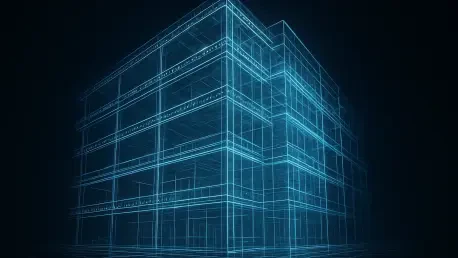

Beyond the concrete foundations and steel beams that form its skeleton, the modern building possesses an equally critical, yet often overlooked, component: its vast and intricate web of digital information. For decades, the immense volume of data generated during the design and construction phases—from detailed architectural models to complex mechanical, electrical, and plumbing schematics—has been treated as a temporary record, archived and forgotten upon project completion. This practice, however, represents a significant missed opportunity. A fundamental shift is now underway in the architecture, engineering, and construction industries, driven by the recognition that this information is not merely a byproduct of creation but a dynamic and enduring asset. Progressive firms are now championing new methodologies designed to ensure this digital legacy transitions seamlessly from construction into the long-term operational lifecycle of a facility, transforming how buildings are managed, maintained, and valued for years to come.
Redefining the Lifecycle of Building Information
The transition from a completed construction project to a fully operational facility has traditionally been fraught with informational disconnects, a phenomenon often referred to as the “data handover gap.” During design and building, teams create highly detailed Building Information Models (BIM) containing a wealth of spatial and asset data. Yet, at the project’s conclusion, this invaluable resource is frequently delivered in static, inaccessible formats or lacks the specific details required by facility management teams. This data loss forces building operators to spend significant time and resources re-documenting existing conditions, conducting manual surveys for future renovations, and making maintenance decisions based on incomplete or outdated information. The initial investment in creating a rich digital model is squandered, and the potential for data-driven operational efficiency is lost before the doors even open, creating a cycle of inefficiency that burdens the asset for its entire lifespan.
To counteract this systemic issue, a more strategic and forward-thinking approach is emerging, focused on establishing a structured and sustainable process for information management from a project’s inception. This methodology prioritizes the creation of a seamless data pipeline that extends from pre-design through ongoing operations. John Russo, a leading voice in the industry, highlighted this evolution, stating, “Owners are realizing that data isn’t just part of a project, it’s part of an asset’s entire lifespan. Our role is to help clients plan for that future by defining how their data evolves from early design through ongoing operations.” By aligning documentation standards with long-term operational goals at the outset, architects, engineers, and facility managers can collaborate within a single, reliable digital foundation. This ensures that the data created during construction is not only preserved but is also structured to be immediately useful for maintenance scheduling, space planning, and asset management, creating a unified source of truth.
From Static Blueprints to Dynamic Digital Assets
Ensuring the long-term value of building data requires more than just a successful initial handover; it demands a commitment to maintaining the accuracy and relevance of the digital asset over time. A building is a dynamic environment, subject to constant change through renovations, tenant fit-outs, and system upgrades. Without a dedicated strategy for capturing these modifications, even the most pristine digital model will quickly become obsolete, eroding its utility for facility managers. To address this, specialized services like an Annual Maintenance Program are becoming critical. Such programs provide a structured framework for facility teams to continuously update building records and documentation as physical alterations occur. This ongoing process ensures that the digital representation of the facility remains a precise, reliable mirror of its real-world counterpart, which is essential for effective operations, regulatory compliance, and informed long-range planning.
Building on the foundation of accurate and current data, the industry is advancing toward the widespread implementation of digital twin services. A digital twin is far more than a static 3D model; it is a dynamic, virtual replica of a physical asset, continuously updated with performance data to simulate its real-world behavior. By developing these detailed facility management models, building owners can unlock powerful new capabilities. They can visualize and track energy consumption in real-time, predict equipment failures before they happen, and simulate the impact of potential renovations or system changes in a risk-free virtual environment. This focus on long-term data usability and digital replication represents a significant leap forward, paving the way for seamless integration with emerging smart building technologies and empowering owners with the insights needed for truly data-driven decision-making in a connected world.
A Legacy of Information
Ultimately, the organizations that embraced a comprehensive, lifecycle-oriented approach to their building data discovered its profound and lasting impact. They found that by treating information as an integral component of the asset itself, they not only streamlined day-to-day operations and reduced maintenance costs but also significantly enhanced the long-term resilience and adaptability of their facilities. The initial investment in creating and maintaining a robust digital framework paid dividends through greater operational efficiency, mitigated risks, and an improved capacity to integrate future technological advancements. The digital blueprint, once viewed as a temporary construction document, had evolved into an enduring and invaluable legacy, proving to be as critical to the building’s value and performance as the physical structure it so accurately represented.