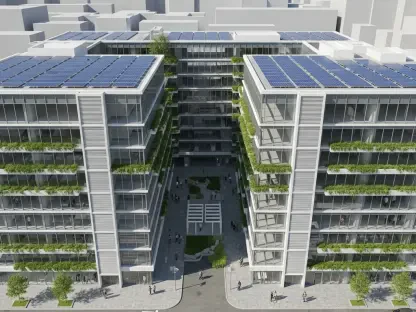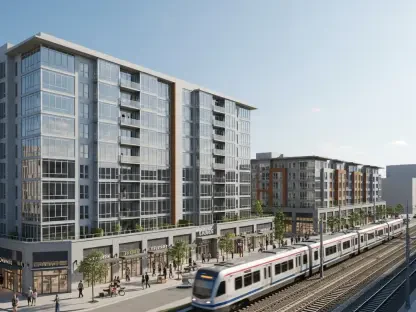

While the devices in our pockets and the cars on our roads grow smarter by the day, a vast number of the commercial and residential buildings we inhabit remain surprisingly unintelligent, operating on systems that are inefficient and outdated. The technology to revolutionize these spaces already exists, from artificial intelligence that can optimize heating and lighting in real time to sophisticated sensors capable of monitoring air quality and occupancy. This creates a significant and puzzling gap between the available technological potential and its slow, uneven adoption in the real world. The core of this problem does not appear to be a deficiency in hardware or software; rather, the most formidable barrier seems to be a deeply ingrained cultural resistance within the property sector, a challenge further complicated by lagging policy frameworks and complex financial considerations. Unlocking the future of smart buildings, therefore, requires looking beyond the technology and toward the human element.
The Human Element in a Digital World
The most significant obstacle to progress is the human one, rooted in a culture of caution that defines the property sector. This industry is built upon decades of hands-on experience and reliable, time-tested methods that have consistently delivered projects on schedule and within budget. While this expertise is invaluable, it also fosters a conservative mindset best summarized as “if it isn’t broken, don’t fix it.” In a digital landscape where technological cycles are measured in months, not years, this inherent caution acts as a powerful brake on innovation. The long lifecycles of buildings clash with the rapid evolution of technology, creating a fundamental disconnect. As a result, critical operational data is often still gathered through manual processes like meter readings, leading to missed opportunities to enhance energy efficiency, improve occupant wellbeing, and create more resilient, responsive environments. The industry’s reluctance to move beyond the familiar is understandable, but it is now the primary factor holding back a smarter, more sustainable built environment.
To bridge this divide, a concerted effort is needed to build confidence in new digital methods and foster a culture of continuous learning and collaboration. This transformation begins with comprehensive training to equip the existing workforce with the skills needed to manage and leverage smart building systems effectively. It also demands breaking down the traditional silos that separate construction, IT, and operations teams, encouraging a more integrated approach where all stakeholders work toward a common goal. Looking to other industries, such as manufacturing and tech, that have already navigated their own successful digital transformations can provide a valuable roadmap. By fostering an environment that encourages experimentation and learns from both successes and failures, the property sector can begin to shift its cultural inertia. This evolution is not about replacing human expertise but augmenting it, combining decades of practical knowledge with the power of data-driven insights to create truly intelligent buildings.
Navigating Policy and Profit Hurdles
The cultural resistance within the industry is compounded by a significant disconnect between technological advancement and governmental regulation. While governments are increasingly setting ambitious sustainability targets and pushing for the decarbonization of the built environment, the corresponding policies, incentives, and compliance frameworks have failed to keep pace. This regulatory lag leaves developers and building owners in a difficult position, caught between progressive environmental goals and outdated standards that do not adequately recognize or reward the adoption of innovative systems. To move forward, policy must be proactively aligned with innovation. This includes creating “digital-ready” building codes that mandate or incentivize the integration of smart technologies, promoting seamless interaction with smart grids, and shifting from prescriptive regulations to performance-based standards. Focusing on actual outcomes in energy efficiency and sustainability, rather than dictating specific methods, would empower the industry to adopt the most effective solutions available.
Alongside policy, the financial equation presents another formidable barrier. The high upfront capital investment required for new smart systems can be a daunting prospect, particularly in a climate of economic uncertainty. This challenge is exacerbated by a phenomenon known as “tech sprawl,” where the market is flooded with a fragmented array of unconnected platforms, each designed to solve a single, specific problem. This lack of integration creates significant complexity for asset owners, prevents a holistic view of building performance, and often leads to disappointment in the return on investment. The issue is not that the technology itself fails, but that its potential is squandered because it isn’t part of a unified, interoperable ecosystem. To overcome this, the industry needs to move toward integrated platforms that provide a single source of truth for building data, simplifying management and clearly demonstrating the long-term value of smart investments.
The Blueprint for a Smarter Future
Despite these challenges, the path forward is becoming clearer, with a firm trend toward greater digitalization across both new constructions and existing building portfolios. The crucial evolution is a conceptual one: organizations are beginning to view buildings not as static, passive assets but as dynamic, adaptable, data-driven systems. This fundamental shift in mindset is the key to unlocking the full potential of smart technology. When a building is treated as a living ecosystem, it can be continuously optimized to enhance energy performance, improve occupant comfort, and adapt to changing needs over time. This approach moves beyond simple automation to create environments that learn and evolve, delivering sustained value long after construction is complete. It is this forward-thinking perspective that is paving the way for a new generation of buildings that are more efficient, resilient, and human-centric.
The successful transformation of 150 Holborn in London stands as a prime case study of this principle in action. A partnership between Sidara and Schneider Electric resulted in the creation of a deeply integrated system featuring thousands of connected devices. This platform provides the operational team with a unified, real-time view of the building’s performance, enabling them to proactively manage and optimize every aspect of its operation. However, the technology was only one part of the equation. The project’s success was ultimately driven by the cultural alignment and shared vision among all stakeholders, from design engineers to facilities managers. This collective mindset—viewing the building as a cohesive whole rather than a collection of disparate parts—was essential. The result was a dramatic 50% reduction in energy consumption, demonstrating unequivocally that when technological innovation meets a determined and collaborative culture, the built environment can become truly smarter.
From Invention to Intention
The analysis of smart building adoption revealed that the core challenge was not one of invention but of intention. The necessary technology to create intelligent, efficient, and human-centric buildings was found to exist already. The future of a smarter built environment, therefore, depended on the industry’s ability to align its people, policies, and profit motives around a shared and coherent digital vision. This transformation began with empowering people, providing them with the skills and confidence to embrace new methods and collaborate across traditional disciplinary boundaries. Breaking down the silos that separated construction, IT, and operations was identified as essential for ensuring that technological solutions delivered lasting, meaningful results. This integrated approach allowed for a holistic view of building performance, moving beyond piecemeal fixes to systemic optimization. Ultimately, the successful transition required embracing data as a common language, which enabled architects, engineers, and asset managers to work from the same real-time insights, making decision-making faster and more sustainable.