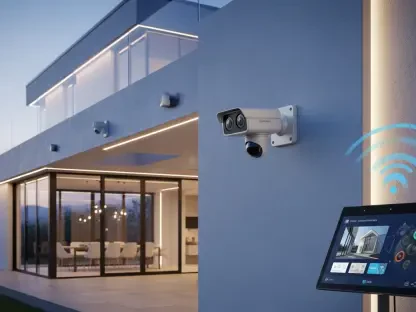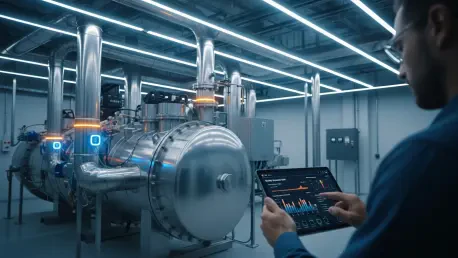

The traditional view of a building as a static shell of concrete and steel has rapidly dissolved into a new reality where infrastructure acts as a living, breathing data generator. This shift from manual oversight to highly sophisticated, data-driven management marks a significant turning point for the industry. Modern facilities are no longer passive recipients of maintenance; instead, they have become proactive participants in their own operational health. The convergence of the sensory capabilities found in the Internet of Things and the interpretive power of Artificial Intelligence has created a framework where every vibration, temperature fluctuation, and occupancy change tells a story.
Integrating the sensory layer of IoT with the interpretive layer of AI is no longer a luxury but an absolute requirement for managing modern infrastructure effectively. While sensors provide the raw data—the pulse of the building—AI provides the brainpower necessary to make sense of thousands of simultaneous signals. Without this dual approach, facility managers risk being overwhelmed by a “data swamp” where critical insights are lost in a sea of irrelevant notifications. This guide explores how these technologies optimize workforce trends, refine predictive maintenance, and transform long-term asset management into a precision science.
A comprehensive digital strategy focuses on three primary pillars of modern operations: the human element, the mechanical lifecycle, and the energy footprint. By moving away from anecdotal evidence and toward verifiable data, organizations can ensure that every dollar spent on maintenance or capital improvements is backed by a clear operational need. As the landscape continues to evolve through 2026 and beyond, the ability to synthesize these technological layers will distinguish top-tier facility leaders from those struggling with escalating costs and aging systems.
The Strategic Importance of IoT and AI Integration
Adopting these technological best practices is the only viable way to maintain a competitive edge in an economy increasingly defined by hybrid work models. Today, the workforce demands environments that are not only safe and functional but also responsive to their specific needs. When a building can automatically adjust its airflow based on real-time occupancy or provide frictionless access through smart systems, it becomes a tool for talent retention. Facilities managers who leverage these insights can create superior occupant experiences that justify the physical office footprint in a flexible world.
Beyond the human experience, the financial argument for integration is undeniable, particularly regarding energy orchestration and labor efficiency. Significant cost savings emerge when a building can intelligently throttle its consumption based on actual demand rather than a rigid, pre-set schedule. Moreover, the efficiency of the maintenance crew improves dramatically when technicians are dispatched to solve specific, data-verified issues rather than performing routine checks on perfectly functional equipment. This shift allows a smaller, more specialized workforce to manage larger and more complex portfolios with greater precision.
The integration of these systems also provides a level of transparency that was previously impossible to achieve in traditional facilities management. Stakeholders can now view real-time dashboards that reflect the actual performance of an entire portfolio, from single-room sensors to massive cooling towers. This visibility transforms the facility department from a misunderstood “black box” of expenses into a strategic partner capable of providing detailed reports on sustainability goals and operational risks. Consequently, the facility manager gains a more prominent seat at the corporate table, influencing broader business decisions through hard data.
Best Practices for Implementing IoT and AI in Facilities Operations
Transitioning from a reactive “break-fix” model to a proactive management style requires a disciplined approach to technology implementation. The first step involves auditing existing infrastructure to identify the most critical points of failure and the areas with the highest potential for energy waste. It is rarely feasible or necessary to instrument an entire building overnight; instead, successful managers focus on high-impact zones where sensors can provide immediate, actionable insights. This phased approach allows teams to build confidence in the data before expanding the network.
Bridging the gap between fragmented legacy systems and modern smart technology is often the most significant hurdle in this digital transformation. Many buildings operate on disparate platforms—lighting, HVAC, and security systems that do not communicate with one another. A best practice is to utilize open-standard middleware that can ingest data from various sources and consolidate it into a single, AI-ready repository. This unification prevents data silos and ensures that the interpretive layer of the AI has a holistic view of the building’s performance.
Once the hardware and software are aligned, the focus must shift to the human transition. Technology is only as effective as the people who use it, so training maintenance staff to trust and act on AI-generated alerts is paramount. This process involves moving away from traditional paper-based work orders toward mobile-first platforms that provide technicians with real-time diagnostic data before they even arrive at a job site. By empowering the workforce with digital tools, the organization ensures that the technological investment translates into tangible operational improvements.
Transitioning from Reactive to Predictive Maintenance
The most impactful best practice in modern operations is the use of AI to establish behavioral profiles for critical equipment. Every mechanical asset, from a massive centrifugal chiller to a small circulation pump, has a unique operational “fingerprint” when it is functioning correctly. By installing vibration, temperature, and acoustic sensors, facility managers can feed this data into AI models that learn the nuances of healthy performance. When the system detects a subtle deviation—perhaps a slight increase in motor heat or a change in vibration frequency—it can flag a potential failure long before it manifests as a breakdown.
Implementing this process requires a shift in how alerts are configured and managed. Traditional systems rely on static thresholds, which often trigger too late or produce too many “nuisance” alarms. In contrast, AI-driven alerts are dynamic, considering variables like ambient outdoor temperature and current load to determine if a deviation is truly problematic. This level of sophistication allows teams to schedule repairs during planned downtime, avoiding the chaotic and expensive nature of emergency call-outs.
Case Study: Predictive Maintenance in Critical Healthcare Environments
In a high-stakes hospital setting, the failure of an air handling unit or a medical compressor is not just a financial burden; it is a threat to patient safety. By monitoring the power consumption and pressure stability of these critical systems, a major healthcare provider successfully eliminated unplanned downtime. The AI platform identified a marginal rise in the power draw of a primary ventilation fan, a change so small it would have been invisible to a human inspector.
This early detection allowed the facility team to replace a failing bearing during a scheduled maintenance window, preventing a catastrophic failure that would have shuttered several operating rooms. The ability to optimize repair schedules in this manner ensures that the most sensitive environments remain stable 24/7. Furthermore, the historical data collected from these sensors helped the hospital negotiate better service contracts by proving the actual health and reliability of their equipment to third-party vendors.
Leveraging Digital Twins for Dynamic Capital Planning
Utilizing real-time IoT data to power operational Digital Twins represents the second major best practice for modern facility leaders. A Digital Twin is more than a 3D model; it is a dynamic digital replica of the physical building that reflects its current state in real time. By feeding sensor data into this model, managers can run “what-if” scenarios to see how changes in occupancy or weather might impact system longevity. This capability is invaluable for long-term budgeting, as it provides a clear picture of how assets are aging based on actual usage rather than the manufacturer’s suggested timeline.
This shift toward usage-based CAPEX strategies allows organizations to move away from rigid, age-based replacement cycles that often lead to wasting money on functional equipment. For example, a cooling tower that has been lightly used due to hybrid work patterns might have years of life left, even if it has reached its theoretical “end of life” on a spreadsheet. Conversely, an asset under high stress can be identified for replacement before it fails, protecting the organization from the higher costs of emergency procurement.
Case Study: Data-Driven Capital Expenditure in Commercial Real Estate
A prominent commercial real estate firm recently demonstrated the power of this approach by utilizing sensor data to defer millions of dollars in capital expenses. By analyzing the actual system strain and runtime of their HVAC portfolio across multiple high-rise buildings, the facility manager discovered that several major components were in far better condition than their age suggested. The Digital Twin provided the evidence needed to convince stakeholders that replacing these units was unnecessary.
This data-driven strategy allowed the firm to reallocate those funds toward more pressing sustainability upgrades that offered a higher return on investment. The transition from a chronological replacement schedule to a condition-based one provided a level of fiscal precision that traditional accounting could not match. By basing capital decisions on real-world wear and tear, the organization maximized the value of every asset while simultaneously reducing the risk of unexpected failures.
Automating Efficiency through Real-Time Energy Orchestration
The third essential best practice involves implementing AI-driven energy management that automatically flags and corrects consumption anomalies. In a large-scale portfolio, it is impossible for a human manager to monitor every meter and sub-meter for signs of waste. AI platforms, however, excel at this task, comparing current energy usage against historical patterns and real-time environmental conditions. If a building is consuming excess power on a mild day, the AI can automatically investigate the cause, such as a lighting schedule that failed to update or a valve that is stuck open.
Detailing the steps for this integration involves connecting sub-metering hardware directly to automated work-order triggers. When the AI identifies a consumption outlier that it cannot fix through remote software adjustments, it immediately generates a high-priority work order for a technician. This process reduces the manual oversight required to keep a building running at peak efficiency and ensures that energy leaks are plugged within hours rather than weeks. The result is a dramatic reduction in carbon footprint and utility costs without sacrificing occupant comfort.
Case Study: Scaled Energy Optimization in National Retail Chains
For national retail chains with hundreds of distributed locations, maintaining energy consistency was historically a logistical nightmare. However, by deploying AI platforms that compare refrigeration behavior across the entire portfolio, managers now identify high-consumption outliers instantly. If a specific freezer in a distant store begins to draw 15% more power than the fleet average, the system recognizes the inefficiency and triggers a maintenance check.
This automated orchestration has allowed retail managers to uncover issues like worn door seals or dirty condenser coils that were silently draining profits. By treating the entire national footprint as a single, interconnected system, the AI identifies patterns of waste that would be invisible at the individual store level. This macro-level optimization not only lowered the total energy bill by millions of dollars but also significantly extended the life of refrigeration assets by ensuring they never operated under unnecessary strain.
Buildings as Optimized Strategic Assets
The transition from viewing buildings as static overhead costs to seeing them as responsive strategic assets changed the fundamental nature of facilities management. Organizations successfully bridged the gap between raw physical data and high-level business intelligence by adopting a dual-layered approach of sensors and interpretation. This evolution allowed leaders to move beyond the limitations of human observation, creating environments that were more reliable, efficient, and attuned to the needs of their inhabitants. The shift toward evidence-based decision-making ensured that every operational choice was grounded in reality rather than guesswork.
Facility managers who oversaw critical environments or managed large-scale distributed portfolios found the greatest advantages in these advancements. They addressed the challenge of data surplus by employing AI filtering, which prevented the workforce from becoming paralyzed by a constant stream of low-value notifications. This strategic focus enabled teams to commit to full-scale deployments with confidence, knowing that the technology served to enhance human capability rather than overwhelm it. The investment in Digital Twins and predictive analytics provided a level of fiscal and operational control that had previously been unattainable.
Ultimately, the integration of IoT and AI solidified the role of the building as a contributor to organizational success. By transforming maintenance from a reactive burden into a predictive science, facilities teams delivered unprecedented stability and value. The lessons learned during this period of digital transformation highlighted the necessity of a unified technology stack and a well-trained workforce. As these systems matured, they paved the way for a future where the built environment was no longer a silent backdrop but a dynamic partner in achieving corporate and environmental goals.