
The dream of living in a fully automated residence once felt like a distant luxury reserved for those with deep pockets and a penchant for complex wiring projects. Only a few years ago, achieving a basic level of synchronization between your front door, your thermostat, and your lighting required a massive upfront investment that could easily climb into the thousands of dollars. However, the landscape has shifted dramatically as high-quality components have become more affordable and easier to install without professional help. This democratization of home technology has been fueled by intense market competition and a collective move toward universal connectivity standards. Modern consumers no longer have to choose between a high price tag and a high-functioning system, as even the most modest budget can now support a sophisticated network of devices. The result is a living environment that responds to your needs, saves energy, and enhances security, all while remaining accessible to the average homeowner or renter who wants to experience the future of domestic living today without financial strain.
Laying the Infrastructure with Affordable Hubs
Building a reliable smart home ecosystem starts with selecting a “brain” that can coordinate communication between various gadgets and sensors. In the current market, this central role is often filled by compact smart speakers like the Amazon Echo Dot or the Google Nest Mini, which serve as much more than just music players. These devices act as a bridge, allowing users to consolidate their controls into a single interface rather than juggling dozens of individual manufacturer apps. With the widespread adoption of the Matter and Thread protocols, these entry-level hubs have become exceptionally versatile, ensuring that a cheap speaker bought today will remain compatible with a wide range of devices from different brands. This interoperability is the secret to budget success, as it allows for a modular approach where you can add new components over time without worrying about whether they will “talk” to your existing setup or require a new, expensive controller to function.
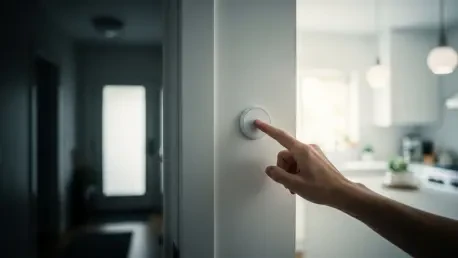
While voice commands and smartphone apps are the most common ways to interact with a smart home, the introduction of physical smart buttons has revolutionized how people manage their environments. These small, battery-powered remotes, such as the Flic Duo, provide a tactile alternative that eliminates the friction of navigating a digital interface for simple tasks. By programming a single button to execute a “scene”—such as turning off all downstairs lights, locking the door, and lowering the temperature—users can enjoy a level of convenience that feels truly premium. This strategy is particularly effective for households with multiple residents or guests who may not have the home’s app installed on their personal phones. Incorporating these physical triggers into your infrastructure ensures that your automation is always reachable, reducing the technological fatigue that sometimes accompanies a move toward a more connected lifestyle while keeping the total system cost remarkably low.
Enhancing Living Spaces through Climate and Light
Lighting remains the most popular and immediate entry point for those looking to upgrade their homes on a budget because it offers a high visual impact for a very small investment. Today’s smart LED bulbs have moved far beyond the flickering, unreliable versions of the past, offering high-lumen output and millions of color options at a fraction of their historical cost. Brands like Govee, Nanoleaf, and Philips Hue have introduced entry-level lines that allow users to automate their morning routines with simulated sunrises or secure their homes by mimicking occupancy while they are away. Because these bulbs are significantly more energy-efficient than traditional incandescent or even standard LED options, the long-term savings on utility bills often help offset the initial purchase price. This makes lighting not just a convenience upgrade but a smart financial decision for any homeowner looking to modernize their space without committing to a full-scale renovation project.
The focus on home automation has also expanded to include environmental wellness, with smart air purifiers and thermostats becoming essential tools for maintaining a healthy indoor atmosphere. Modern budget-friendly air purifiers now come equipped with sensitive laser sensors that monitor particulate matter in real-time, automatically increasing fan speeds when pollutants like smoke or pollen are detected. By integrating these devices into a broader smart home network, you can ensure that your HVAC system and air cleaners work in tandem to optimize air quality and temperature based on whether the house is occupied. This level of environmental control used to require expensive, integrated building management systems, but now, a few well-placed sensors and a smart plug can achieve similar results. These tools provide a tangible improvement in daily comfort and health, proving that the most valuable aspects of a smart home are often those that work quietly in the background to improve your quality of life.
Securing the Perimeter and Retrofitting Utility
Home security has undergone a radical transformation, moving away from long-term contracts and expensive professional monitoring toward flexible, DIY solutions that anyone can install in minutes. High-definition indoor cameras and video doorbells from companies like Blink and Wyze now offer features like two-way audio, night vision, and motion detection for under fifty dollars. One of the most significant advancements for the budget-conscious user is the move toward local storage options, where video footage is saved to a microSD card rather than a paid cloud server. This shift allows homeowners to avoid the “subscription trap” that often makes smart technology more expensive over time. By choosing hardware that supports local recording, you can maintain a robust security perimeter with zero monthly overhead, ensuring that your investment remains a one-time cost rather than a recurring burden on your monthly budget.
The most ingenious way to build a smart home without spending a fortune is by retrofitting existing, “dumb” appliances using smart plugs and specialized adapters. Instead of buying a new smart coffee maker or a high-end connected fan, a simple smart plug can give you remote control and scheduling capabilities for a few dollars. This approach breathes new life into perfectly functional older appliances, allowing them to participate in complex automation routines alongside the latest gadgets. Furthermore, the rise of affordable robot vacuums has brought high-end utility to the budget tier, with many entry-level models now featuring advanced navigation and self-emptying bins that were once exclusive to flagship products. By focusing on these high-utility items, you can create a home that handles mundane chores automatically. The key is to start with high-traffic areas where automation provides the most relief, gradually building a system that feels cohesive and sophisticated despite its humble, cost-effective origins.
Navigating the Path toward Future Integration
Building a budget-friendly smart home in the current era requires a strategic mindset that prioritizes long-term compatibility and specific lifestyle needs over flashy, expensive gimmicks. The first step for any enthusiast should be the adoption of a “platform-first” approach, where every new purchase is verified to work with universal standards like Matter. This ensures that as your system grows, you aren’t forced to replace perfectly good hardware because of a brand’s software update or a change in company direction. Consumers should also look for devices that offer multi-functionality, such as sensors that track both motion and light levels, to maximize the value of every dollar spent. By treating each gadget as a building block rather than an isolated tool, you can create a resilient and highly personalized environment that rivals the most expensive custom-built homes on the market while maintaining total control over your financial commitments.
The ultimate goal of an affordable smart home is to provide a seamless experience that feels natural rather than intrusive. To achieve this, focus on automating the “low-hanging fruit”—the small, repetitive tasks like turning off the porch light at dawn or ensuring the iron isn’t left on—which provide the quickest return on investment in terms of peace of mind and energy savings. As technology continues to advance, the gap between “budget” and “premium” hardware will likely continue to shrink, making it easier than ever to maintain a state-of-the-art living space. The most successful smart home builders are those who stay informed about firmware updates and new integration possibilities, constantly tweaking their routines to better serve their daily lives. By investing in versatile, high-value components and focusing on local control to avoid hidden fees, you can enjoy a sophisticated, automated lifestyle that is as sustainable for your wallet as it is for your home.