
The demographic landscape is shifting toward a reality where more individuals prefer to maintain their independence within their own residences rather than transitioning to assisted living facilities. This aspiration, commonly referred to as aging in place, has been significantly bolstered by the rapid maturation of smart home technology, which transitioned from being a collection of niche gadgets for enthusiasts into a robust framework for personal safety and accessibility. While early iterations of home automation often presented steep learning curves and frustrating technical glitches, the current technological environment emphasizes seamless integration and intuitive user experiences. By moving away from flashy, superficial features, developers are now focusing on essential tools that bridge the digital divide for older generations. The objective is to create a living space that acts as a silent partner in daily life, providing a reliable safety net that operates quietly in the background. This strategic shift allows seniors to navigate their homes with greater confidence, effectively reducing the physical and cognitive burdens that often accompany the aging process in a world that is becoming increasingly digitized.
Building Foundations for Physical Safety and Cognitive Ease
Fall prevention remains one of the most critical priorities for individuals choosing to remain in their homes as they age, given that even minor stumbles can lead to significant health complications. Traditional home layouts often contain hidden hazards, such as dimly lit hallways or power switches located in hard-to-reach areas behind heavy furniture. Smart lighting systems and voice-activated adapters have emerged as proactive solutions to these risks by eliminating the need for sudden or awkward physical movements. Instead of navigating a dark room to find a lamp, a senior can simply use a voice command to illuminate their path, ensuring that every step is taken with clear visibility. This transition to automated lighting not only reduces the immediate risk of tripping but also minimizes the physical strain associated with bending or stretching. Furthermore, integrating motion sensors that trigger path lighting between the bedroom and bathroom during late-night hours provides an automated layer of security that requires no conscious effort from the occupant. This architectural approach to safety transforms the residence into a responsive environment that adapts to the specific mobility needs of the user.
Cognitive ease is equally fundamental to a successful independent living strategy, requiring a departure from the complex interfaces found in traditional computers and multi-purpose tablets. For many seniors, the “tech support loop”—characterized by frequent software updates, confusing menu hierarchies, and microscopic icons—creates a barrier to adoption that often leads to total abandonment of useful tools. In contrast, dedicated smart hubs and voice-activated systems prioritize simplicity by utilizing natural language as the primary interface. Voice commands serve as the ultimate equalizer for those dealing with declining vision or limited manual dexterity, allowing for the direct control of home functions without the frustration of navigating a touch screen. This shift toward “invisible” technology ensures that the focus remains on the task at hand, whether it is adjusting the temperature or setting a reminder, rather than on the mechanics of the device itself. By reducing the cognitive load required to manage a modern home, these systems empower older adults to interact with their surroundings in a way that feels natural and dignified, fostering a sense of mastery over their own living space.
Revolutionizing Daily Routines Through Communication and Kitchen Safety
Social isolation is a profound challenge for many seniors living alone, yet traditional methods of digital communication often involve layers of technical friction that discourage frequent use. Dedicated communication hubs, such as the Amazon Echo Show, have redefined the video calling experience by offering a fixed-location device that responds to simple verbal cues. Unlike a smartphone that might be misplaced or a tablet that requires constant charging and app management, these stationary hubs provide a consistent point of contact for family members and caregivers. Features like auto-framing cameras ensure that the user remains in the shot even if they move around the room, while background noise suppression accounts for common hearing impairments. When the device is not being used for active communication, it functions as a passive digital photo frame, displaying a rotating gallery of family memories curated by loved ones remotely. This creates a continuous, low-effort sense of connection that helps maintain the mental well-being of the senior without requiring them to master the complexities of social media platforms or modern messaging applications.
The kitchen is perhaps the most hazardous area of a home for older adults, particularly regarding the risk of fires or burns from forgotten appliances. Innovations such as smart gooseneck kettles and induction cooktops with automatic shut-off features have significantly mitigated these dangers while supporting physical ergonomics. Voice-activated kettles allow a person to start boiling water from another room, reducing the amount of time they must spend standing and waiting in the kitchen. Crucially, these devices are equipped with boil-dry protection and timers that prevent accidents if the user becomes distracted or falls asleep. Furthermore, the ergonomic design of modern pouring vessels provides a more controlled and steady flow, which is vital for individuals suffering from hand tremors or weakened grips. By automating the most dangerous aspects of meal preparation and incorporating safety overrides, smart kitchen technology allows seniors to maintain their culinary independence. This approach treats the kitchen not as a place of potential injury, but as a space where autonomy can be safely preserved through the intelligent application of remote monitoring and automatic control.
Climate Control and Mobility Solutions for Independent Living
Maintaining a consistent and comfortable indoor temperature is not merely a matter of comfort for the elderly; it is a critical health requirement, as the body’s ability to regulate heat often diminishes with age. Traditional thermostats frequently feature stiff dials and small, unlit displays that are difficult to read and even harder to program correctly. Smart thermostats address these challenges by providing high-contrast, large-font interfaces and the ability to adjust settings via voice commands. More importantly, these systems allow for remote monitoring by family members or professional caregivers, ensuring that the home remains at a safe temperature regardless of whether the occupant has interacted with the controls. If a senior inadvertently turns off the heating system during a cold snap, an alert can be sent to a family member’s phone, allowing for an immediate correction. This dual-layered approach combines local autonomy for the senior with a remote safety net for the family, preventing the life-threatening complications that can arise from extreme indoor temperatures and providing significant peace of mind for all involved parties.
Beyond climate control, managing the basic physical infrastructure of a home can become a source of daily struggle as mobility decreases. Many seniors live in older homes where electrical outlets are poorly placed, leading to the dangerous use of extension cords or the need to move heavy furniture to reach a plug. Smart adapters and plugs solve this issue by bringing the control of traditional appliances into the digital age without requiring a complete rewiring of the residence. By connecting lamps, fans, or space heaters to these smart outlets, the entire home becomes manageable through a single interface or voice assistant. This allows an individual to “shut down” the house for the night—turning off all lights and non-essential electronics—from the safety of their bedside. Reducing the need to traverse the home in a sleepy or partially dressed state significantly lowers the probability of nocturnal falls. The integration of these simple yet effective mobility solutions ensures that the physical limitations of an aging body do not dictate the boundaries of a person’s life within their own four walls.
Securing the Perimeter and Enhancing Emergency Responses
The entryway of a home often presents a unique set of security and safety challenges for individuals with limited mobility. The sudden sound of a doorbell can trigger a sense of urgency that causes a senior to move too quickly, potentially leading to a trip or a fall as they rush to see who is at the door. Video doorbells provide a vital buffer by allowing the occupant to see and speak with visitors from their smartphone or a wall-mounted tablet while remaining seated. This technology is particularly effective for screening unwanted solicitors or confirming the identity of delivery personnel without having to open the door to strangers. Additionally, for those with hearing difficulties, these doorbells can be synced with smart lighting to provide a visual cue—such as a flashing lamp—whenever someone is at the entrance. By providing a clear view of the perimeter from any location in the house, these devices enhance personal security and allow the resident to manage their visitors at a pace that is comfortable and safe for them.
In addition to monitoring visitors, the physical act of using a key can become increasingly difficult for those with arthritis or other dexterity-related conditions. Smart locks have transformed home access by offering multiple entry methods, including fingerprint scanning, keypad codes, and remote unlocking via a mobile application. This versatility ensures that a senior never has to fumble with a traditional key in the dark or in inclement weather. Furthermore, in the event of a medical emergency where the resident cannot reach the door, authorized family members or emergency responders can be granted access remotely, preventing the need for a forced entry that would damage the property. These security systems can be further integrated with wearable technology that features advanced fall detection. If a person suffers a hard fall and remains motionless, modern smartwatches can automatically contact emergency services and provide the GPS coordinates of the home. This comprehensive security and response network ensures that help is always within reach, bridging the gap between a standard residence and a supervised living environment while maintaining the user’s privacy and dignity.
Fostering Connection and Reliable Medication Management
Mental stimulation and social engagement are essential components of healthy aging, yet the digital tools commonly used for these purposes are often designed with a younger, more tech-literate audience in mind. Social media platforms, while useful for staying connected, are frequently cluttered with advertisements, algorithmic noise, and complex privacy settings that can be overwhelming for older users. Digital picture frames offer a focused alternative by allowing family members to “beam” photographs and short videos directly to the senior’s living room without any input required from the recipient. This creates a private, curated stream of family updates that acts as a continuous source of joy and conversation. Because the device functions autonomously, it removes the pressure to “keep up” with technology while still providing the benefits of digital connectivity. This passive form of inclusion is particularly valuable for combating the feelings of loneliness that can occur when physical visits are infrequent, ensuring that the senior remains a visible and included part of the family’s daily life.
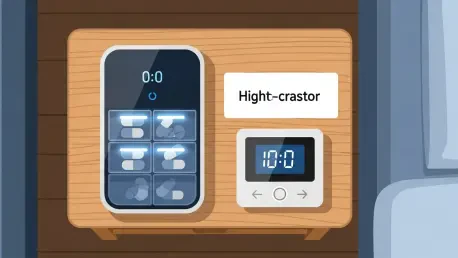
Managing a complex regimen of medications is another area where technology provides life-saving assistance for those aging in place. As individuals age, the number of daily prescriptions often increases, making it easy to forget a dose or accidentally double up on a medication, both of which can have severe health consequences. Wi-Fi-connected pill dispensers have streamlined this process by providing automated alerts and unlocking only the specific compartments required at the scheduled time. Some systems even allow for the recording of voice messages from grandchildren or children to serve as gentle reminders, adding a personal touch to a clinical necessity. If a dose is missed, the device can immediately notify a caregiver or family member, allowing for a proactive check-in rather than a reactive medical intervention. This level of oversight ensures that medication adherence remains high without the need for constant, intrusive questioning from family members. By automating the management of health essentials, these tools promote a higher quality of life and allow seniors to focus on their daily activities rather than the stress of a complicated pill schedule.
Integrating a Seamless Philosophy for Long-Term Support
The transition toward a more supportive home environment was historically characterized by a fragmented collection of gadgets, but the shift seen through 2026 emphasized a holistic and integrated philosophy. Successful implementations were those that moved away from the “cool factor” and instead prioritized the “set and forget” mentality, where the complexity was handled entirely during the initial setup by a family member or professional. It was observed that the most effective senior-centric technology functioned almost invisibly, requiring minimal direct interaction with software while providing maximum utility through voice and automation. Families found that by auditing the specific physical and cognitive needs of their loved ones, they could deploy a targeted suite of tools that solved real-world problems, such as light-path automation or remote temperature monitoring. This approach effectively retired the role of the “unpaid family IT department,” as modern devices became more resilient and self-healing, reducing the frequency of technical failures that previously plagued smart home ecosystems.
Reflecting on the progress made in recent years, it became clear that the true value of smart home technology lay in its ability to preserve the dignity of the individual while ensuring their safety. The balance between independence and monitoring was achieved through a “quiet watch” strategy, where data was used to confirm well-being rather than to intrude upon daily life. Caregivers were able to verify that a loved one was active and safe without having to make constant, potentially patronizing phone calls. To replicate this success, families should begin with a single, high-impact device—such as a smart hub or a video doorbell—and gradually expand the system as the user becomes comfortable. It was also critical to ensure that every new addition served a specific purpose, such as improving kitchen safety or simplifying medication management. By following this deliberate and empathetic path, the standard American home was successfully transformed into a sanctuary that allowed older adults to thrive in place, proving that the right technology, when applied with intention, is the most powerful tool for maintaining a high quality of life into the later years.