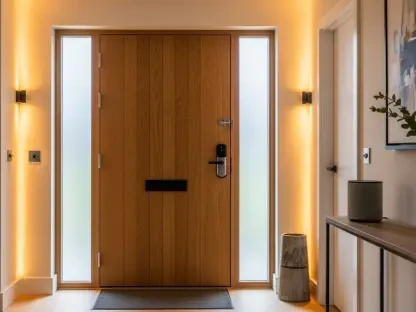

The realm of smart buildings is being significantly transformed by the advent of emerging technologies aimed at enhancing accessibility. These innovations are pivotal in ensuring that buildings cater to the diverse needs of individuals with disabilities. By integrating technology into the very

Artificial intelligence (AI) holds the potential to dramatically change the construction industry and bolster environmental sustainability in urban development, according to groundbreaking research from City 4.0 Lab's Urban AI Hub at Queensland University of Technology (QUT). The research

Bisly, a Tallinn-based startup specializing in advanced smart building automation solutions, has successfully closed a Series A funding round, raising an impressive €6.2 million. This funding round attracted a mix of both new and existing investors, with prominent figures such as Urvo Männama and

Introduction: In the dynamic realm of smart city development, compact and innovative small cell technology is rapidly becoming a cornerstone for urban connectivity and sustainability. Spearheaded by industry visionaries such as Ian Newbury of BT Wholesale, this groundbreaking advancement is poised

As buildings around the world become increasingly equipped with technology, the market for advanced smart building sensing technology is experiencing significant growth. These innovations lead to enhanced energy efficiency and occupant comfort, redesigning how residential and commercial properties

The Smart Building Market's surge is driven by an increasing emphasis on sustainability and higher efficiency in construction. Estimated to jump from a notable value in 2022 to an even more significant one by 2030, the sector is accelerating at a striking Compound Annual Growth Rate. This boom