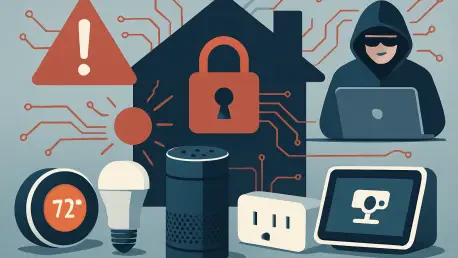
In an era where smart home technology has become an integral part of daily life, a stark warning from the UAE Cyber Security Council (CSC) reveals a troubling reality: approximately 70% of these devices are at risk of cyberattacks if not properly secured, highlighting the urgent need for awareness.
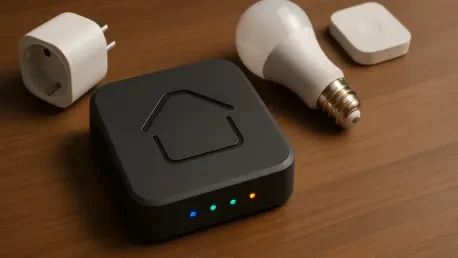
In an era where smart home technology is becoming increasingly central to modern living, the challenge of seamlessly integrating diverse devices and systems remains a significant hurdle for both homeowners and professionals. Imagine a household where lighting, security, and energy systems operate

South Korea has emerged as a trailblazer in the realm of smart city development, seamlessly integrating advanced technology with forward-thinking urban planning to redefine modern living, and this nation, known for its rapid technological advancements, is not just transforming its own cities but
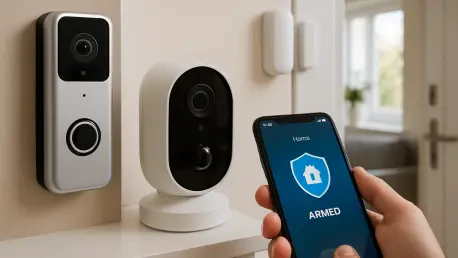
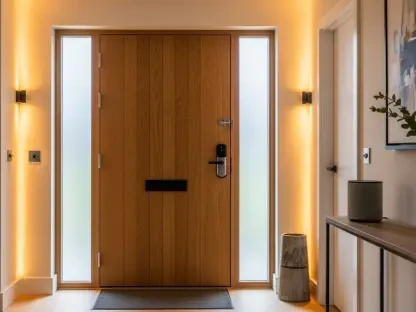
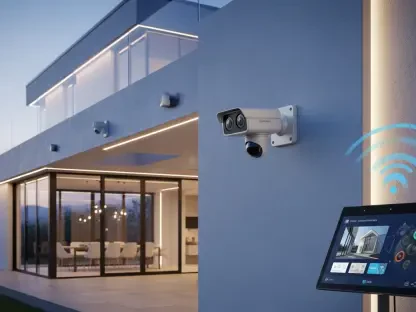
In an era where home security concerns are at an all-time high due to increasing incidents of unauthorized access and property crimes, a leading innovator in smart home solutions has stepped up with game-changing technology. At the prestigious IFA event in Berlin this September, TCL showcased a

The U.S. construction industry is entering a transformative era, with recent projections estimating a staggering market value of $2.92 trillion by 2034, reflecting a robust compound annual growth rate (CAGR) of 4.40% from a 2024 baseline of $1.90 trillion. This remarkable growth trajectory
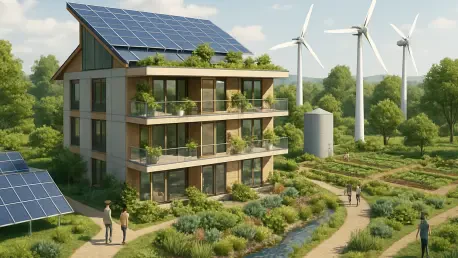
In a world grappling with climate change and rapid urbanization, the Building Simulation 2025 (BS2025) conference, held from August 24–27 in Brisbane, Australia, emerged as a beacon of innovation for the global building performance simulation community. Organized by the International Building