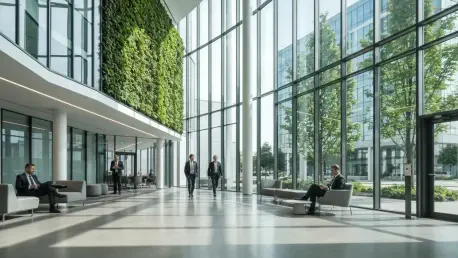

Imagine walking into a modern office tower, sunlight streaming through expansive windows, the air feeling crisp and clean, and knowing that this building isn’t just a pretty face—it’s slashing energy use and reducing its environmental footprint. Green building ratings are often tossed around as a hallmark of sustainability, but what do they actually mean when applied to real brick-and-mortar structures? These certifications aren’t just shiny plaques to hang on a wall; they represent a complex, rigorous system designed to measure and promote a property’s environmental responsibility across its entire lifecycle. Far from being mere buzzwords in architecture and real estate, these ratings dive deep into energy efficiency, water conservation, indoor air quality, and much more. This exploration peels back the layers of how green building ratings function in everyday scenarios, shedding light on the processes behind them, the hurdles they present, and the tangible benefits they deliver to building owners, tenants, and the planet at large. Let’s step into the practical world of sustainable design and see what makes these systems tick.
Decoding the Levels of Sustainability
Green building ratings aren’t a blanket stamp of approval; they operate on a nuanced, tiered scale that mirrors the star system used for hotels. At the foundational level, a building might earn a certification with relatively straightforward upgrades—think swapping out old bulbs for LEDs or installing low-flow faucets to cut water waste. These entry-level achievements signal a commitment to sustainability, but they’re just the starting point. Moving up the ladder, mid-tier certifications recognize more significant efforts, such as integrating renewable energy sources like solar panels or implementing systems to recycle water. At the pinnacle, elite ratings such as Platinum are reserved for structures that embed sustainability into every detail, from impeccable air quality to eco-conscious materials in furniture and fixtures. This top tier isn’t just about ticking boxes; it’s a holistic testament to a building’s minimal environmental impact and dedication to occupant health, setting a gold standard for what sustainable architecture can achieve.
Moreover, understanding these tiers reveals a broader narrative about ambition in the building sector. While a basic certification might be attainable with minimal investment, scaling up to higher ratings demands innovation and a willingness to rethink design norms. Take, for example, the leap from mid-tier to elite status—it often requires architects and developers to prioritize long-term environmental gains over short-term cost savings, weaving green principles into the very DNA of a project. This progression isn’t merely technical; it reflects a cultural shift toward valuing spaces that don’t just house people but also protect the planet. The tiered system, therefore, acts as both a motivator and a benchmark, pushing the industry to aim higher while offering clear milestones. As buildings climb these levels, they showcase how incremental changes and bold overhauls alike contribute to a larger vision of sustainability, proving that every step forward counts in reducing the built environment’s ecological footprint.
Unpacking the Evaluation Journey
Securing a green building rating is far from a casual endeavor; it’s a meticulous journey through layers of data and scrutiny. Assessors don’t just glance at a property and hand out a certificate—they dive into the nitty-gritty, examining utility bills to gauge energy consumption per square foot and tracking water usage against regional standards tailored to local climate zones. Beyond raw numbers, they probe the quality of indoor spaces, assessing elements like lighting, acoustic comfort, and thermal balance. A building could boast impressive energy savings by dialing back on air conditioning, yet if occupants are sweating through their workday, it misses the mark on what these certifications truly aim to achieve. The process is about striking a delicate balance—ensuring efficiency doesn’t come at the expense of creating a livable, pleasant environment for those inside.
Additionally, this evaluation isn’t a one-and-done affair; it’s a dynamic, often grueling examination that reflects real-world performance. Buildings aren’t judged on promises or blueprints alone but on hard evidence of how they operate day to day. This means that assessors often compare a structure’s metrics to benchmarks that account for geographic nuances—what works in a temperate region might not cut it in a tropical one. The depth of this analysis ensures that ratings carry weight, separating genuine sustainability efforts from superficial greenwashing. However, it also underscores a critical challenge: achieving certification requires not just good design but also consistent, verifiable results. This rigorous approach helps maintain the integrity of green ratings, ensuring they’re a credible measure of a building’s environmental and human-centric performance rather than a hollow marketing ploy.
Navigating the Obstacles of Certification
The road to earning and retaining a green building rating is paved with more than just good intentions—it’s laden with bureaucratic and operational challenges that can test even the most committed owners. The documentation alone can feel like scaling a mountain, with requirements for detailed records spanning years of utility usage, architectural plans, and system performance reports. For older buildings, this often poses a significant barrier; without consistent historical data, meeting certification standards becomes a steep uphill battle. The process demands precision and patience, as even small gaps in records can derail an application. It’s a stark reminder that these ratings aren’t just about the present state of a building but about proving a sustained track record of responsible management.
Furthermore, the hurdles don’t end once a rating is secured. Maintaining certification is an ongoing commitment that requires regular reassessments and diligent upkeep of systems like HVAC or renewable energy installations. A building can lose its status if maintenance slips or if renovations introduce unsustainable materials or practices. This continuous oversight ensures that certified buildings don’t rest on their laurels, but it also places a persistent burden on owners to prioritize green practices amid competing demands. Neglect, even if unintentional, can unravel years of effort, highlighting how certification is less a trophy and more a living promise to uphold environmental standards. These challenges, while daunting, ultimately reinforce the value of ratings by ensuring they reflect genuine, lasting dedication rather than fleeting achievements.
Weighing Financial Trade-offs
For property owners, pursuing a green building rating often feels like a high-stakes financial puzzle. The upfront investment can be substantial, driven by the costs of specialized construction techniques, certification fees, and the integration of advanced sustainable technologies. Rents for these spaces frequently run higher, reflecting the premium on eco-friendly design. Yet, the flip side of this equation is compelling—certified buildings, especially those at the top tiers, can slash energy consumption by 30% to 50% compared to conventional structures. This translates to significant reductions in utility bills over time, offering a cushion against rising operational expenses. While the timeline for recouping these initial outlays varies based on local energy rates, the long-term savings often paint a persuasive picture for making the leap into sustainable building practices.
Beyond the immediate numbers, there’s a broader economic narrative at play for owners contemplating green certification. The reduced operating costs aren’t just a line item on a balance sheet; they can enhance a property’s marketability, attracting tenants who value sustainability and are willing to pay for it. However, this financial upside comes with the caveat of ongoing investment—keeping systems efficient and up to date isn’t cheap. The trade-off, then, becomes a question of vision: are owners prepared to absorb short-term costs for gains that might take years to fully materialize? In many cases, the environmental benefits and potential for future regulatory incentives add weight to the argument for going green. This dynamic illustrates that while the cost-benefit analysis isn’t always straightforward, the trajectory often leans toward financial and ecological reward for those who commit to the process.
Enhancing Tenant Experience
Tenants in green-certified buildings aren’t merely passive beneficiaries; they’re at the heart of why these ratings matter in practical terms. Research points to notable gains in such spaces—productivity can rise by 5% to 10% compared to traditional offices, thanks to features like enhanced natural lighting and superior air quality. Fewer sick days are another perk, as advanced ventilation systems filter out pollutants and maintain healthier indoor environments. Add to that the comfort of better insulation and cutting-edge HVAC setups, and it’s clear why occupants often report higher satisfaction. On top of these quality-of-life improvements, lower utility costs—passed down through reduced operating expenses—offer a financial breather, making certified buildings an attractive option for businesses and residents alike.
However, tenants must approach these benefits with a discerning eye, as a green rating doesn’t automatically guarantee a flawless experience. Certification is a marker of intent and design, but actual performance hinges on how well a building is managed post-certification. If energy-saving measures aren’t maintained or if promised comforts like consistent temperatures aren’t delivered, the rating loses its luster. This discrepancy underscores the importance of transparency between owners and tenants—occupants should feel empowered to question whether the building’s day-to-day reality matches its certified promise. Ultimately, the true value for tenants lies in tangible outcomes: healthier workspaces and lighter bills. When executed well, green buildings don’t just house people; they elevate the human experience within those walls, proving that sustainability and well-being can go hand in hand.
Driving Toward a Sustainable Horizon
Green building ratings stand as a powerful catalyst in the broader mission to forge a sustainable future, yet their impact rests heavily on how diligently they’re applied. These certifications transcend marketing hype when supported by robust data and unwavering maintenance, evolving into genuine instruments of change. Observing trailblazing structures in cities like Singapore, where Platinum-rated buildings set new benchmarks, reveals a clear trend toward stricter standards that meld efficiency with occupant well-being. This shift isn’t just about meeting quotas or earning accolades; it’s a reimagining of the built environment as a space that serves both people and the planet with equal priority. Such examples signal an industry-wide push to elevate expectations, challenging designers and developers to think beyond traditional construction norms.
Looking ahead, the trajectory of green ratings suggests an even deeper integration into global sustainability goals, provided the focus remains on execution over symbolism. The emphasis on transformative design—where every element of a building supports environmental and human health—offers a blueprint for future projects. However, this vision requires collective buy-in from stakeholders at all levels, from architects crafting innovative plans to tenants demanding accountability. As standards tighten, the hope is that certified buildings will become the norm rather than the exception, reshaping urban landscapes into ecosystems of efficiency. Reflecting on past efforts, it’s evident that when green ratings were pursued with rigor, they delivered measurable reductions in resource use and enhanced living conditions, paving the way for actionable steps forward in sustainable development.