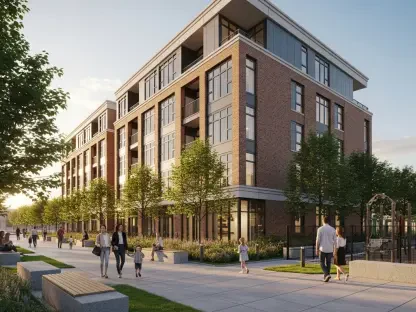
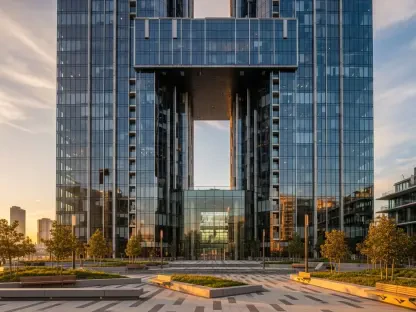
The city of Edinburgh stands at the cusp of a transformative era with a £1.3 billion regeneration project at Granton Waterfront, turning the largest brownfield site into a sustainable coastal town. This ambitious endeavor, one of Scotland’s most significant public sector-led initiatives, promises to redefine urban living by prioritizing net zero carbon goals and affordable housing. What do experts, policymakers, and community stakeholders think about this massive undertaking? This roundup gathers diverse opinions, tips, and reviews from various sources to explore the project’s potential, challenges, and broader implications for urban renewal.
Diverse Perspectives on a Coastal Revival
Sustainability as a Core Pillar
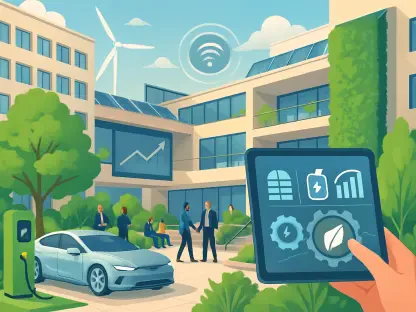
Insights from environmental advocates highlight the project’s commitment to net zero carbon standards as a game-changer. The integration of gas-free heating systems, such as air source heat pumps, in all 847 homes of Phase 1 is seen as a bold step toward energy efficiency. Many in the green technology sector praise this focus, noting that such measures could significantly lower utility costs for residents while aligning with Edinburgh’s climate goals.
However, some urban planners express cautious optimism about scalability. They argue that while the technology is promising, the cost of implementing sustainable solutions across a development of this magnitude could pose financial challenges. Concerns linger about whether smaller municipalities could replicate such initiatives without substantial government backing.
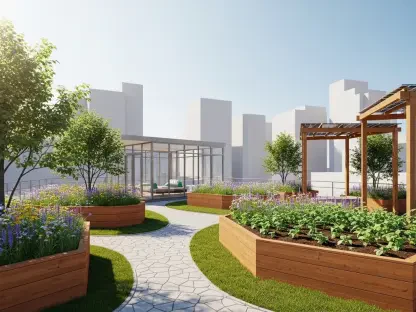
A third viewpoint comes from climate policy analysts who emphasize the importance of nature-based solutions in the project. The inclusion of expansive green spaces and public parks is viewed as a critical strategy for climate mitigation, though they stress the need for long-term maintenance plans to ensure these areas remain effective in combating environmental degradation.
Affordability and Social Inclusivity
Housing experts commend the project’s dedication to affordability, with 45% of Phase 1 homes designated as affordable, including social rent and wheelchair-accessible units. This approach is often cited as a vital tool for addressing child poverty and ensuring diverse family needs are met. Many see this as a potential model for other cities grappling with housing crises.
On the flip side, community activists warn of the risks of gentrification. They point out that rising demand in regenerated areas could inadvertently price out long-term residents if protective measures like rent controls are not prioritized. Their perspective underscores the need for ongoing monitoring to balance inclusivity with development.
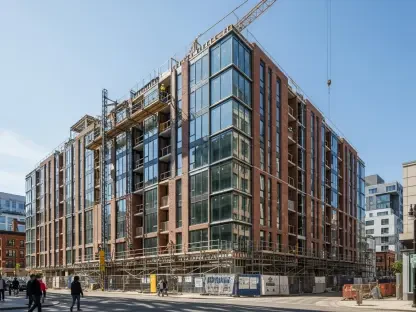
Local social workers add another layer, focusing on the tangible benefits already visible in early initiatives like Granton Station View, with 75 net zero-ready homes, and Western Villages, housing 444 units. They suggest that such progress offers immediate relief to families in need, but advocate for complementary programs in education and employment to maximize social impact.
Economic Growth and Historical Integration
Economic analysts are largely optimistic about the regeneration’s potential to boost local economies through job creation and tourism. The revitalization of landmarks like Gasholder 1 Park and Granton Station into leisure and creative hubs is frequently highlighted as a driver for attracting visitors and stimulating business growth in north Edinburgh.
Conversely, some historians and preservationists debate the pace of historical integration. While they appreciate the effort to restore iconic structures, they caution that prioritizing modern development over heritage could dilute the area’s unique character. Their advice centers on ensuring community input in decisions about historical sites to maintain cultural significance.
A contrasting opinion from tourism boards focuses on the economic upside of blending past and present. They argue that repurposed industrial spaces, such as The Pitt, create unique attractions that could position the area as a must-visit destination. Their tip to developers is to market these elements aggressively to maximize regional benefits.
Collaborative Models and Funding Innovations
Public policy experts are intrigued by the partnership between the City of Edinburgh Council, private developers like Cruden Homes, and Scottish Government-backed grants such as the Place Based Accelerator. This collaborative model is often described as a forward-thinking approach that ties funding to measurable community outcomes like health and job creation.
Some financial consultants, however, question the long-term viability of outcome-based funding. They note that while it ensures accountability, it may limit flexibility in addressing unforeseen challenges during a multi-year project. Their recommendation is to build contingency plans into such agreements to mitigate risks.
Urban development specialists offer a comparative insight, suggesting that this synergy between public and private sectors could redefine how large-scale projects are financed across Scotland. They encourage other regions to study this model closely, particularly for its emphasis on shared goals over traditional funding silos, as a blueprint for future regenerations.
Key Takeaways from Varied Voices
Reflecting on the multitude of perspectives, it becomes clear that the Granton Waterfront regeneration sparks both enthusiasm and critical dialogue among stakeholders. Sustainability emerges as a celebrated cornerstone, with broad support for net zero technologies, though tempered by concerns over cost and scalability. Affordability garners praise for tackling social inequities, yet fears of gentrification prompt calls for vigilance. Economic and historical aspects fuel optimism for growth, balanced by debates over heritage preservation. Finally, innovative collaborations inspire hope for replicable models, even as financial structures face scrutiny. For those intrigued by urban renewal, exploring further resources on sustainable development and inclusive planning proves a valuable next step in understanding how such projects evolve over time.