
Australia is currently navigating a fundamental transformation of its national energy architecture, moving away from its historical identity as a global fossil fuel titan to embrace a decarbonized future. This shift is not merely a change in domestic policy but represents a massive commercial opening for international partners, with Denmark emerging as a primary strategic ally in this industrial evolution. The relationship between these two nations is maturing into a deep, collaborative partnership focused on renewable infrastructure, grid modernization, and sustainable urban development. As Australia works to reconcile its long-standing reliance on coal and gas with ambitious net-zero commitments, Danish expertise in wind energy and smart technology has become a cornerstone of the Australian green energy roadmap. This transition is being driven by both environmental necessity and the economic reality that renewable sources are now the most cost-effective way to power a modern, industrial economy in the twenty-first century.
Despite the rapid acceleration of green initiatives, the current Australian energy profile remains heavily tethered to traditional commodities, with approximately 90% of the total energy supply still derived from coal, oil, and gas. This overwhelming reliance links the nation’s energy security directly to the inherent volatility of international commodity markets and the domestic production of aging fossil fuel assets. However, the high carbon intensity of the Australian economy—which has historically been significantly higher than that of most advanced economies—has sparked a radical policy overhaul at the federal level. The government has committed to a 43% reduction in greenhouse gas emissions by 2030 and a comprehensive goal of achieving net-zero by 2050. These targets serve as the primary catalyst for what many industry observers are calling a “green gold rush,” drawing global innovators to Australian shores to build the infrastructure of tomorrow.
Accelerating Renewable Power Generation
Harnessing Wind and Solar Assets
The most visible progress in this national transition is occurring within the power sector, where renewable electricity generation has quadrupled in a remarkably short timeframe. By 2024, renewable sources accounted for 35% of total electricity production, with solar photovoltaics leading the charge by contributing roughly 50% of all green power generated across the continent. Wind energy follows closely as the second-largest contributor, boasting an installed capacity that now exceeds 15 GW and maintaining a robust annual growth rate that outpaces many other developed nations. This aggressive trajectory is considered essential for Australia to reach its ambitious target of 82% renewable electricity generation by 2030, a goal that requires a massive scaling of both onshore and offshore wind farms. The sheer scale of the Australian landmass and its extensive coastline provide a natural advantage that, when paired with the right technical expertise, could turn the country into a renewable energy superpower capable of exporting green hydrogen to the rest of the world.
For Danish companies, this rapid growth represents a massive demand for sophisticated system solutions that go far beyond the mere provision of hardware like turbines or panels. There is a pressing need for advanced technology capable of integrating fluctuating energy sources into a grid originally designed for centralized, fossil-fueled power plants. Danish firms are uniquely positioned to provide the technical infrastructure required to stabilize a grid that is becoming increasingly dependent on weather-reliant power sources through smart forecasting and storage solutions. As the Australian market matures, the focus is shifting toward the management of large-scale offshore wind assets, a sector where Danish pioneers have decades of experience in the North Sea. By implementing high-voltage direct current (HVDC) links and advanced energy management software, these international partners are helping Australia overcome the geographic challenges of connecting remote renewable zones to major coastal population centers.
Integrating Grid Stability and Storage
Maintaining a reliable flow of electricity becomes significantly more complex as a nation moves toward a majority-renewable energy mix, requiring a complete rethink of grid architecture. In Australia, the rapid influx of rooftop solar and large-scale wind projects has created a localized surplus of energy during peak production hours, often leading to curtailment or grid instability. Danish expertise in demand-side management and battery storage integration is proving invaluable in addressing these technical bottlenecks. By deploying sophisticated sensors and artificial intelligence to predict weather patterns and consumption trends, engineers can better balance the load across vast distances. This level of synchronization is vital for preventing blackouts and ensuring that the transition to green energy does not compromise the industrial productivity of the nation. The goal is to create a “smart grid” that can react in real-time to the intermittent nature of wind and solar, turning potential liabilities into a highly flexible and resilient energy ecosystem.
Beyond the immediate technical requirements of the grid, the focus is also expanding toward long-duration energy storage and the development of “renewable energy zones.” These zones are designated geographic areas where high-quality wind and solar resources can be clustered with new transmission infrastructure to achieve economies of scale. Danish consultants and technology providers are working closely with Australian state governments to design these zones using modular approaches that allow for future expansion. This includes the integration of pumped hydro and large-scale lithium-ion “big batteries” that act as shock absorbers for the national electricity market. By sharing lessons learned from the European energy transition, Danish partners help Australian regulators avoid common pitfalls in market design and technical standardization. This collaborative approach ensures that the billions of dollars being invested today will result in a modern, decarbonized power system that remains stable and affordable for all consumers.
Decarbonizing the Built Environment
Sustainable Construction and Urban Retrofitting
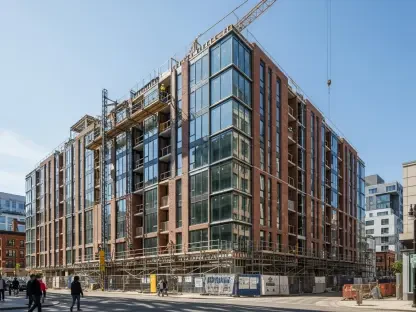
A critical yet often overlooked component of the Australian transition is the building sector, which currently accounts for roughly 23% of the nation’s final energy consumption. As the electricity grid becomes cleaner through the addition of wind and solar, the focus of policymakers is shifting toward the electrification of residential and service buildings to eliminate fossil fuel dependence. Australia is also facing a unique demographic challenge, needing approximately 250,000 new homes annually to keep up with steady population growth and changing household structures. This massive construction boom provides a “blank slate” for implementing green technologies from the ground up, including high-performance thermal envelopes and heat pump systems. Updated building codes are mandating higher insulation standards, creating a market environment where energy efficiency is no longer a luxury but a regulatory requirement for all new developments.
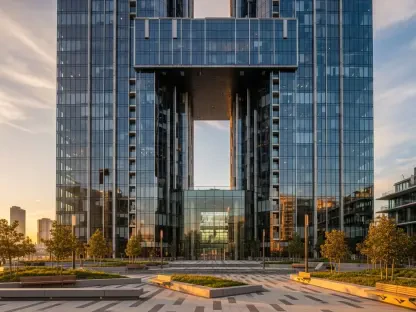
The financial scale of this urban transition is immense, with estimates suggesting that Australia must invest approximately 18 billion Euro annually to meet its green building and retrofitting ambitions. This investment covers not only new sustainable construction but also the massive task of urban retrofitting for existing structures that were built during an era of cheap, abundant fossil fuels. Danish firms specializing in energy-efficient insulation, high-performance windows, and automated building management systems are well-placed to capture a significant share of this burgeoning market. By introducing district heating and cooling concepts in dense urban corridors, these companies are helping Australian cities reduce their peak energy demand significantly. The integration of smart sensors into commercial buildings allows for precise control over lighting and climate, ensuring that energy is only consumed when and where it is actually needed, thereby driving down operational costs for businesses.
Advancing Smart City Technologies
The evolution of the Australian built environment is increasingly defined by the integration of digital tools that optimize how resources are managed across entire precincts. As urban centers like Sydney and Melbourne expand, the demand for “smart city” solutions that reduce the carbon footprint of infrastructure has skyrocketed. Danish technology providers are at the forefront of this movement, offering software platforms that connect water, waste, and energy systems into a single, cohesive data environment. This holistic approach allows city planners to identify inefficiencies and implement real-time corrections, such as adjusting street lighting based on foot traffic or optimizing water pressure to prevent leaks. These innovations do more than just save energy; they improve the overall livability of urban spaces while making them more resilient to the impacts of climate change, such as extreme heatwaves that place immense strain on traditional energy networks.
Furthermore, the adoption of circular economy principles in construction is becoming a priority for Australian developers seeking to meet high environmental, social, and governance (ESG) standards. Danish expertise in sustainable materials and waste-to-energy solutions is providing the blueprint for reducing the embodied carbon of new buildings. By utilizing modular construction techniques and recyclable materials, the industry can significantly lower the environmental impact of the 250,000 homes needed each year. This shift is supported by financial institutions that are increasingly offering “green mortgages” and lower interest rates for properties that meet strict efficiency criteria. As a result, the partnership between Danish innovators and Australian builders is not just about technology transfer; it is about creating a new economic model where sustainability and profitability are inextricably linked, ensuring that the cities of the future are as efficient as they are functional.
Strengthening Trade and Regulatory Frameworks
Economic Dynamics and Strategic Partnerships
The economic relationship between Denmark and Australia is characterized by a steady baseline of trade that is frequently augmented by massive surges tied to specific wind energy projects. While export values for energy technology can fluctuate based on the timing of major infrastructure installations, data from 2025 indicates a strengthening trend with a marked increase in total trade volume. Beyond traditional wind technology, there is a growing and more consistent contribution from bioenergy solutions, waste-to-resource technologies, and district heating components. This diversification suggests that the commercial relationship is maturing into a more integrated role within the Australian energy ecosystem, moving away from simple equipment sales toward long-term service and partnership models. This stability is crucial for Danish firms looking to establish a permanent presence in the Southern Hemisphere, providing them with a reliable platform for further regional expansion.
Success for Danish exporters is further supported by a robust framework of government-to-government cooperation, exemplified by the 2023 Denmark–Australia Strategic Partnership Agreement. These high-level agreements are reinforced by state-level partnerships that emphasize knowledge sharing and the secondment of experts between energy authorities in both nations. Furthermore, the Danish Energy Agency is actively helping to “write the rulebook” for the Australian offshore wind industry by advising on auction design, spatial planning, and grid connection protocols. This regulatory alignment provides a significant “home-field advantage” for Danish companies, as the Australian market begins to mirror the technical standards and environmental practices perfected in the North Sea over several decades. Such cooperation reduces the perceived risk for investors and ensures that the regulatory environment remains conducive to the long-term capital commitments required for large-scale energy projects.
Facilitating Market Entry and Growth
Navigating the complexities of the Australian market requires more than just superior technology; it necessitates a deep understanding of local regulatory nuances and the ability to build lasting professional networks. Institutional support plays a vital role in this process, with organizations like Danish Industry providing essential services on the ground, including market analysis, recruitment, and “go-to-market” strategy development. Through regular business delegations and exchange programs, Danish firms can build the relationships necessary to succeed in large-scale infrastructure projects that often involve multiple layers of government and private stakeholders. This collaborative environment ensures that Danish technology remains at the forefront of the Australian consciousness, positioning these firms as the partners of choice for the next phase of the energy transition. By providing a bridge between Danish innovation and Australian opportunity, these organizations are fueling a cycle of mutual growth and technological advancement.
As the Australian energy landscape continues to evolve, the focus was shifted toward creating a sustainable pipeline of projects that provide long-term certainty for the entire supply chain. This involves not only the construction of power plants but also the development of local manufacturing capabilities and a skilled workforce capable of maintaining advanced green infrastructure. Danish companies have responded by establishing local subsidiaries and training programs, ensuring that the benefits of the green shift are felt across the Australian economy. This commitment to local engagement has fostered a high degree of trust between Danish exporters and their Australian counterparts, making it easier to navigate the political and social challenges that often accompany large-scale industrial changes. Looking forward, the emphasis was placed on expanding this cooperation into emerging sectors such as green hydrogen and sustainable aviation fuels, ensuring that the partnership remains relevant as new technologies reach commercial maturity.