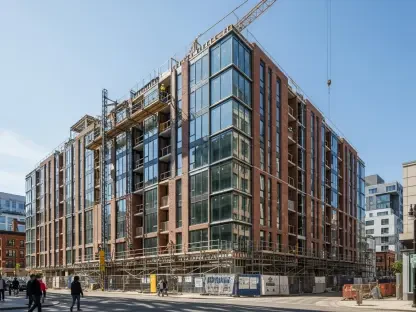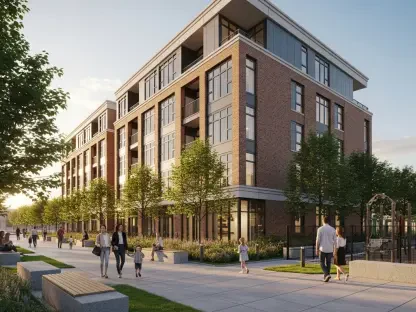

The transformation of Winsford’s urban landscape has reached a pivotal milestone as the former industrial grounds of Phoenix House and the Weaver Street Depot begin their evolution into a modern residential hub. This strategic partnership between the Cheshire West and Chester Council and Torus is not merely a construction project; it is a calculated effort to deliver 99 high-quality, affordable homes designed to address the pressing needs of local residents currently on the municipal housing register. By repurposing a redundant brownfield site, the development serves as a critical catalyst for urban renewal, effectively modernizing the town’s physical landscape while simultaneously tackling the chronic shortage of accessible living spaces. This initiative reflects a sophisticated approach to city planning where economic viability and social responsibility converge to create a blueprint for future regional developments that prioritize the well-being of the community.
Strategic Urban Repurposing and Development Timeline
Transitioning From Industrial Infrastructure to Residential Community
The history of the Weaver Street site serves as a testament to the changing priorities of modern municipal management, shifting from a focus on heavy utility to community-centric living. For decades, the location operated as the primary highways and waste management depot for the council, a role that prioritized industrial logistics over residential aesthetics. Following a comprehensive review of council assets and the subsequent closure of the depot in late 2022, the path was cleared for a more human-centered use of the land. The demolition of the outdated industrial structures in 2023 marked the end of an era, allowing for the remediation of the soil and the stabilization of the ground to prepare for a safe, modern neighborhood. This transition from a site of heavy machinery to one of domestic tranquility illustrates a broader trend in American and British urban planning where underutilized town center land is reclaimed for the people.
The speed at which the project has progressed from demolition to active construction highlights the urgency shared by the Cheshire West and Chester Council and Torus. Following the formal handover of the land in early 2026, work has commenced with the goal of delivering a diverse array of housing types that cater to a wide demographic spectrum. The inclusion of one- to four-bedroom homes ensures that the development is not limited to a single niche but instead accommodates single professionals, growing families, and older residents alike. This diversity is crucial for creating a balanced and resilient community that avoids the pitfalls of monocultural housing developments. By integrating various home sizes into a single project, the developers are fostering an environment where residents can move through different stages of life without needing to leave their immediate neighborhood, thus preserving social ties and local stability.
Implementing Innovative Environmental Stewardship and Net-Zero Goals
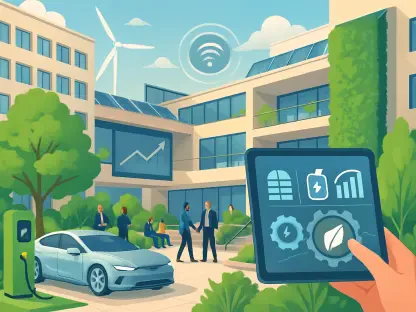
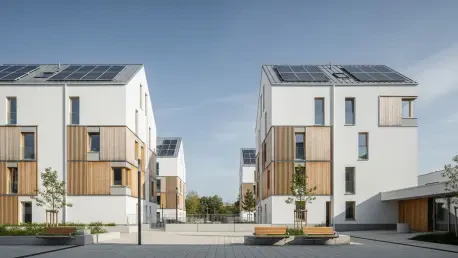
At the heart of the Winsford development is an uncompromising commitment to environmental stewardship, setting a new benchmark for municipal housing in the region. This project is the first council-facilitated scheme in the area to achieve a 100% net-zero carbon-in-use status, a significant technical achievement that aligns with global climate objectives. Every residence is engineered to produce zero operational carbon emissions through the integration of advanced green technologies, including rooftop solar photovoltaic panels and high-efficiency Air Source Heat Pumps. Unlike traditional heating systems that rely on fossil fuels, these pumps extract thermal energy from the outside air, providing a sustainable alternative that significantly reduces the environmental footprint of each household. This proactive approach ensures that the town of Winsford remains at the forefront of the green energy transition, proving that affordable housing can lead the way in technological innovation.
Beyond the obvious environmental benefits, these sustainable features offer tangible long-term financial relief for the residents who will call this development home. In an era of volatile energy markets and rising living costs, the ability to generate electricity on-site and heat homes through efficient electric systems provides a critical safety net. The term “affordable housing” takes on a deeper meaning here; it refers not only to the subsidized rent or purchase price but also to the ongoing operational expenses of the property. By eliminating reliance on traditional gas grids and reducing electricity bills through solar generation, the project ensures that residents are protected from the financial strain of high utility costs. This focus on lifecycle affordability is a key component of modern social housing, where the goal is to provide a stable foundation for individuals to build their lives without the constant threat of energy poverty.
Financial Investment and Infrastructure Support
Leveraging Funding Mechanisms and Community Contributions
The financial architecture supporting the Weaver Street project is a sophisticated blend of public grants and private investment designed to ensure the project’s long-term viability. A substantial infusion of over £2.2 million from Homes England and the One Public Estate program provided the necessary capital to overcome the high costs associated with brownfield redevelopment, including the relocation of municipal services and complex site remediation. These funds acted as a catalyst, de-risking the project for the development partner and ensuring that the high standards for sustainability were not compromised by budgetary constraints. This collaborative funding model demonstrates how public-sector leadership can leverage national resources to achieve local goals, creating a financial framework that could be replicated in other struggling town centers across the country to revitalize neglected urban pockets and stimulate local economies.
In addition to the primary funding for the housing units, the project includes significant “Section 106” legal agreements that serve as a lifeline for the surrounding community’s infrastructure. These developer-led contributions are specifically earmarked to mitigate the impact of the new population on local services, ensuring that the influx of 99 households does not overwhelm existing facilities. Funds are being directed toward the enhancement of healthcare services, the expansion of transport networks, and the provision of specialized educational support for children with Special Educational Needs and Disabilities. Furthermore, these agreements fund the creation and maintenance of public open spaces, which are essential for the mental and physical well-being of the residents. By addressing these critical infrastructure needs upfront, the development ensures that growth is inclusive and sustainable, providing a net benefit to the town’s entire population rather than just the new arrivals.
Fostering Economic Synergy and Long-Term Social Value
The Weaver Street development is strategically positioned as a vital component of the broader £22 million regeneration plan for Winsford’s town center, acting as a primary driver of footfall. By placing a significant number of new households within walking distance of the central business district, the project provides a consistent customer base for both local independent shops and major national retailers like B&M and Costa Coffee. This increase in local demand is essential for the success of the refurbished Winsford Market and the ongoing improvements to the Winsford Cross Shopping Centre. The synergy between residential growth and retail health creates a virtuous cycle where a vibrant town center attracts more residents, which in turn supports more diverse businesses and services. This integrated approach to urban planning recognizes that housing and commerce are deeply interdependent, and that a successful town center requires a permanent, active population.
To ensure that the benefits of the project extend beyond the physical structures, the partnership with the contractor HMS incorporates a social value model that prioritizes community reinvestment. As a group contractor for Torus, HMS operates under a mandate where 100% of its profits are channeled back into local social initiatives and community projects. This circular economic approach ensures that the money spent on construction stays within the borough, supporting local jobs, training opportunities, and charitable endeavors. During the construction phase, this model provides immediate economic stimulation, while the long-term presence of the residents sustains the town’s commercial heart. The result is a development that provides social value at every stage of its existence, from the first brick laid to the decades of community life that will follow, reinforcing Winsford’s position as a forward-looking and resilient municipality.
The successful implementation of this net-zero housing project established a clear pathway for future urban development by proving that environmental goals and affordable housing are not mutually exclusive. Stakeholders prioritized the integration of advanced energy technologies to ensure that the residents were insulated from the rising costs of traditional utilities, thereby securing the long-term economic stability of the neighborhood. This model suggested that future town center revitalizations should focus on high-density, sustainable residential projects to create the necessary footfall for commercial recovery. Moving forward, urban planners and local authorities should continue to leverage brownfield sites and social value construction models to maximize the impact of public investment. The Winsford initiative served as a practical demonstration of how a dedicated partnership could transform stagnant industrial land into a vibrant, sustainable, and economically productive community asset.