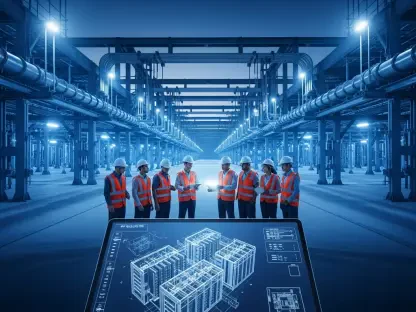

The global built environment represents an estimated $580 trillion in total asset value, yet it continues to function without the foundational digital architecture that smaller, less valuable industries have utilized for decades. While the automotive and aviation sectors rely on standardized identification systems like Vehicle Identification Numbers to track every modification and repair, the construction industry lacks a comparable permanent digital anchor for its assets. This systemic deficiency has created a profound infrastructure identity gap, where critical data regarding a building’s design, maintenance history, and structural integrity is frequently lost during transitions between owners or service providers. As a facility moves through its multi-decade lifespan, the absence of a persistent identity ensures that vital information remains siloed within incompatible software platforms. This fragmentation forces modern facility managers to operate in a state of perpetual information recovery, rather than proactive stewardship. The consequences of this gap extend beyond simple administrative inconvenience, impacting the long-term viability of urban centers and the safety of the millions who inhabit these structures daily. Without a unified way to reference a specific physical asset across different digital tools, the industry remains stuck in a cycle of data decay that undermines even the most advanced smart building technologies.
The Economic and Structural Consequences of Information Decay
Financial Inefficiencies: The Multi-Trillion Dollar Drain
The lack of a standardized identity framework is not merely a technical oversight; it is a major economic drain that causes staggering annual inefficiencies throughout the global market. Research indicates that fragmented documentation contributes to costs exceeding $2 trillion across the global built environment, with the United States residential and commercial sectors accounting for hundreds of billions in losses. These expenses manifest primarily through excessive labor requirements, as professionals spend countless hours manually retrieving and verifying data that should be readily accessible. When information is trapped in disconnected repositories, every renovation or repair requires a costly discovery phase to understand the existing conditions of the facility. This cycle of repeating data collection represents a massive waste of human capital and financial resources that could otherwise be allocated toward sustainable development or technological innovation. Moreover, the inability to provide a transparent historical record often results in higher operational overhead for management firms who must mitigate the risks associated with incomplete asset knowledge.
Transactional friction represents another significant facet of the economic burden caused by the infrastructure identity gap. During property sales, insurance renewals, or large-scale financing rounds, the difficulty of assessing risk without a verified “single source of truth” leads to substantial delays and increased due diligence costs. Lenders and underwriters often struggle to verify the structural integrity or maintenance compliance of a building, which can lead to inflated premiums or lower valuations. In a market where speed and accuracy are paramount, the reliance on digitized-but-unorganized archives creates a bottleneck that stifles liquidity. The absence of a persistent identity means that every time an asset changes hands, the new owner must essentially start from scratch to build a comprehensive understanding of the building’s health. By failing to maintain a continuous digital thread, the industry inadvertently devalues its most expensive assets, making them harder to manage and more expensive to insure. This systemic inefficiency highlights the urgent need for a more robust method of tracking infrastructure through its entire lifecycle.
Operational Risks: The Threat to Safety and Longevity
Beyond the financial impact, the fragmentation of documentation poses a direct threat to the physical longevity and safety of global infrastructure. Without a continuous and accessible record of inspections, repairs, and structural modifications, maintenance teams often lack the necessary context to perform accurate predictive diagnostics. This uncertainty frequently leads to premature equipment failure, as critical systems may not receive the specific care required based on their unique usage history. When decisions are based on generic estimates rather than the actual historical condition of the asset, the risk of catastrophic failure increases significantly. In high-stakes environments like hospitals or high-rise residential complexes, the inability to instantly access a building’s “medical record” can have dire consequences. The degradation of physical assets is accelerated when maintenance is reactive rather than preventative, a problem that is compounded by the loss of original design specifications. Without a persistent identity to link current sensor data to historical performance, the true health of a building remains a mystery.
Compliance and emergency response also suffer when a building lacks a durable digital identity. During a crisis, such as a fire or structural emergency, the speed at which responders can access accurate floor plans and utility shut-off locations can be a matter of life and death. Unfortunately, many facilities still rely on outdated or fragmented records that may not reflect recent renovations or structural changes. Furthermore, regulatory compliance becomes an administrative nightmare when inspectors must piece together evidence of code adherence from multiple disparate sources. This lack of transparency makes it difficult for municipal authorities to ensure that safety standards are being met over the long term. As buildings become more complex with the integration of renewable energy systems and smart grids, the need for a precise, permanent record of their internal configuration becomes even more critical. A persistent identity would serve as the foundational layer for safety protocols, ensuring that every stakeholder has access to the information needed to protect the public and preserve the integrity of the built environment.
Implementing a Framework for Long-Term Continuity
Core Principles: Defining the Persistent Infrastructure Identity
The proposed solution to these systemic challenges is the implementation of a Persistent Infrastructure Identity (PII) framework, which assigns a unique and system-agnostic identifier to every asset. Unlike a file name or a entry in a specific software database, a PII serves as a foundational “Identity Layer” that remains constant regardless of changes in ownership, management firms, or software vendors. This framework functions as a digital anchor, ensuring that data generated by various technologies—such as Building Information Modeling (BIM) and smart sensors—is consistently linked to the correct physical asset over many decades. The goal is not to replace existing facility management tools but to provide the connective tissue that allows them to communicate effectively. By establishing a universal standard for infrastructure identification, the industry can finally move toward a model where data is as durable as the concrete and steel it describes. This shift represents a fundamental change in how the industry views information, treating it as a permanent component of the building rather than a temporary byproduct of the construction process.
Interoperability is the primary driver behind the persistent identity movement, as it allows for the seamless flow of information between different stages of a building’s life. During the transition from construction to operations, vital architectural blueprints and engineering specifications often vanish into archives, leaving the facility manager with a “dumb” building. A persistent identity ensures that this data remains attached to the physical structure, providing a continuous narrative from the first stone laid to the eventual decommissioning of the site. Furthermore, as the industry adopts more automated, data-driven operations, the ability to maintain a permanent digital link becomes a competitive necessity. PII enables different software platforms to “speak” the same language by providing a common reference point for every component within a facility. This prevents the creation of data silos and ensures that the insights gained from real-time monitoring are always contextualized by the building’s historical performance. By prioritizing the permanence of identity, the built environment can achieve a level of digital maturity that matches the sophistication of its physical engineering.
Strategic Advantages: The Future of Asset Stewardship
For facility executives responsible for the long-term stewardship of commercial and institutional properties, a persistent identity offers several transformative advantages. One of the most significant benefits is the ability to migrate data between software platforms without losing historical context. As technology evolves, management teams often upgrade their systems, but this process frequently results in the loss of years of valuable performance data because the old and new systems do not share a common identification standard. With a persistent identity in place, the building’s history becomes portable, allowing for continuous improvement and more accurate lifecycle cost forecasting. This continuity is essential for effective capital planning, as it ensures that investments are based on a complete understanding of asset performance over time. Executives can move away from reactive budgeting and toward a model that anticipates needs based on verified historical trends. This level of insight not only improves the bottom line but also enhances the overall quality of the service provided to the building’s occupants.
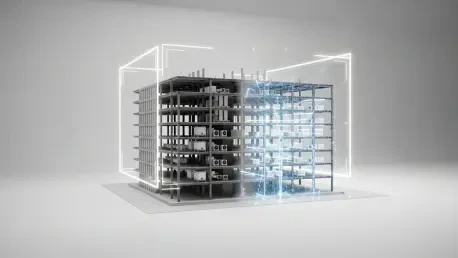
The integration of digital twin technology—virtual replicas of physical buildings—further underscores the importance of a persistent identity framework. For a digital twin to remain useful throughout the life of a facility, it must stay synchronized with the physical reality, reflecting every repair, renovation, and sensor reading. PII provides the necessary framework to ensure this synchronization occurs reliably, preventing the digital model from becoming an obsolete snapshot of the past. Moreover, during property acquisitions or insurance audits, having a unified identity record simplifies the verification process, drastically reducing the time and cost associated with due diligence. It allows for a more transparent assessment of risk and value, benefiting both buyers and sellers in the real estate market. Ultimately, the move toward a VIN-like system for buildings is a necessary evolution to protect the immense financial and physical value of global infrastructure. By addressing the identity gap, facility leaders ensured that the data generated today remained a valuable asset for future generations, rather than a fragmented liability that complicated the management of the built environment.
The Path Forward: Securing the Digital Foundation
Stakeholders across the construction and facility management sectors recognized the urgent need to adopt standardized data governance practices to bridge the identity gap. The industry shifted its focus from merely collecting information to ensuring its long-term durability and accessibility through the implementation of persistent identifiers. Facility executives began prioritizing interoperability in their procurement processes, favoring systems that supported system-agnostic anchors over proprietary silos. This transition allowed for a more holistic approach to asset management, where the digital history of a building became as integral to its value as its physical location. By establishing a “single source of truth” that survived changes in ownership and technology, the market reduced operational friction and enhanced the overall safety of the built environment. Moving forward, the continued evolution of infrastructure identity will likely pave the way for new categories of digital services, fundamentally changing how facilities are insured, maintained, and traded. Those who embraced this digital foundation successfully transformed their fragmented records into a strategic advantage, ensuring that their buildings remained resilient and profitable in an increasingly data-driven world.