
The modern concept of a residential sanctuary has undergone a radical transformation, moving far beyond the simple provision of shelter to become a sophisticated intersection of environmental resilience, high-tech integration, and architectural storytelling. In the current landscape of the Florida Gulf Coast, the home is no longer a static entity but a high-performance environment designed to mitigate the challenges of a shifting climate while fostering deep connections between its inhabitants and the natural world. This year’s recognition of excellence across the region highlights a period where the boundaries between the built environment and the ecosystem are intentionally blurred, creating structures that are as durable as they are aesthetically profound. As homeowners demand spaces that accommodate everything from remote global commerce to multi-generational living, the architectural response has been one of unprecedented innovation and regional sensitivity.
Excellence in High-Budget Residential Architecture
The Pinnacle of Luxury Over $4 Million
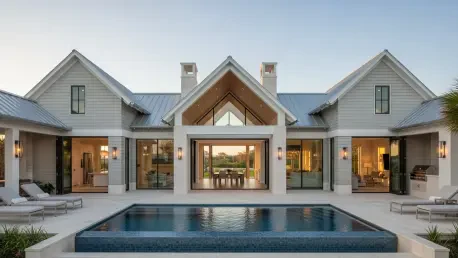
Within the most ambitious tier of residential construction, the “Coastal Farmhouse” by Vertical Custom Homes and Sweet Sparkman demonstrates that massive scale does not have to come at the expense of environmental logic. Located on the vulnerable but beautiful shores of Siesta Key, this project utilizes a strategic central breezeway that physically bisects the home into two volumes, a move that encourages natural cross-ventilation and reduces the reliance on mechanical cooling. By employing rugged, long-lasting materials such as fiber cement siding and standing seam metal roofing, the design team ensured the structure could weather the relentless salt spray and high winds characteristic of the Gulf-front environment. The result is a home that maintains a quiet, traditional gabled silhouette while functioning as a masterclass in passive performance and structural longevity.
In contrast to the minimalist leanings of many modern estates, the “Watersound” residence by Nautilus Homes serves as an exuberant celebration of the Florida vernacular tradition, proving that luxury can be deeply rooted in local history. The floor plan is organized around a central interior courtyard, an architectural device that captures natural light and circulating breezes, creating a private microclimate for the family. High-quality craftsmanship is evident in the screened porch featuring coral stone flooring and a fully equipped summer kitchen, which facilitates a year-round outdoor lifestyle. Whimsical interior details, such as penny round tiles and custom-designed wallpaper, ensure that the residence feels like a legacy home intended to be passed down through generations, rather than a transient showcase of modern trends.
Further pushing the envelope of modernism, the “Lunara” project by DSDG Architects has established itself as an architectural icon within the Sapphire Shores neighborhood through its use of intersecting geometric volumes and dramatic floating planes. The design intentionally eliminates traditional hallways to favor a fluid, open movement that connects various living zones without the need for restrictive partitions. A massive eleven-foot pivot door creates a sense of ceremony upon entry, while the exterior is defined by a two-level pool featuring an infinity edge that cascades into a dedicated lap lane below. This project exemplifies how contemporary luxury can leverage structural engineering to create a sense of weightlessness and transparency that harmonizes with the surrounding coastal environment.
Sophisticated Design in the Mid-Range Tier
The competition for homes in the $2 to $4 million range highlights how sophisticated design can turn site-specific challenges into unique architectural advantages. “Jardin du Ciel,” or “Garden of the Sky,” by Seibert Architects, addresses its lush tropical setting by elevating the primary living spaces above the dense vegetation to capture light and views. A suspended steel staircase serves as a sculptural centerpiece, providing a transition from the informal, shaded ground-level entertaining areas to the more private, sun-drenched quarters above. This vertical orientation allows the landscape to flow beneath and around the house, ensuring that the footprint of the building does not disrupt the natural ecological rhythm of the site.
The “Water’s Edge Residence” by Lear Studio Architects adopts a linear, contemporary approach to create a private refuge that appears to hover over a nearly fifty-foot-long lap pool. Every aspect of the design is engineered to filter out views of neighboring properties, focusing the inhabitant’s attention inward toward a continuous water feature that runs the entire length of the building. This architectural strategy creates a profound sense of isolation and tranquility, even within a relatively dense residential context. The use of repetitive geometric forms and a restrained material palette reinforces the home’s identity as a sanctuary, where the play of light on water becomes the primary decorative element.
In the bayfront “Sea-la Vie” project by DSDG Architects, the designers utilized angled volumes to carefully frame long-distance views of the canal, ensuring that every room has a visual connection to the water. The exterior facade is characterized by a “checkerboard” interplay of buff-toned tabby stucco and expansive glass panels, bridging the gap between traditional coastal textures and modern transparency. Inside, a sculptural open staircase floats over a bed of river rock, a detail that brings the outdoors in and reinforces the home’s connection to its maritime setting. This project illustrates how mid-range luxury can achieve a high level of custom detail by focusing on the relationship between the structure and its specific geographic coordinates.
Accessible Excellence Under $2 Million
The belief that high-level architecture is only available to those with unlimited budgets is challenged by projects like “3Walls” by Solstice Planning and Architecture, which brings modern innovation to the historic Avondale neighborhood. Named for its three custom breezeblock walls that provide both privacy and ventilation, this “modern bungalow” is a testament to the power of thoughtful, compact design. Perhaps its most significant achievement is the seamless integration of total wheelchair accessibility into the core architectural framework, rather than treating it as a utilitarian afterthought. The design proves that inclusive, universal accessibility can be a beautiful and integral part of a home’s aesthetic identity, enhancing the living experience for residents of all physical abilities.
The “Isle Royal at Sunstone” by Mattamy Homes addresses the growing demand for flexible, multigenerational living spaces within a more accessible price point. The floor plan is designed to evolve alongside the family, offering multiple bedroom suites and “flex spaces” that can be reconfigured as needs change over time. These areas can transition from home offices to media rooms or guest quarters, providing a level of adaptability that is often missing from traditional suburban developments. By prioritizing functional diversity and long-term usability, the project demonstrates how modern builders are responding to the shifting social dynamics of the 2026 housing market, where the ability to house extended family members is becoming a top priority for buyers.
Specialized Design and Interior Innovations
Interior Design and Boutique Aesthetics
The current trend in interior design has moved decisively toward a “Boutique Hotel” aesthetic, where every room is curated to provide a sensory experience through artisan-crafted materials and serene color palettes. The “Watersound” interiors, designed by Ellen Hanson Designs, utilize a combination of oak, terracotta, and hand-applied plaster to evoke a sense of history and permanence. This “relaxed Florida vernacular” approach avoids the clichés of coastal decor in favor of a sophisticated, lived-in feel that balances traditional warmth with modern clarity. The result is a series of spaces that feel deeply personal and grounded, offering a quiet counterpoint to the bright, intense sunlight of the Florida coast.
Renovating existing structures presents its own set of challenges, as seen in the “Waterclub” project on Longboat Key, where Traction Architecture transformed a dated 1980s condominium into a contemporary masterpiece. By adopting a “clean slate” philosophy, the designers removed unnecessary partitions and used consistent white oak flooring to create a unified, airy retreat. Dropped ceiling planes were used strategically to define different functional zones without the need for walls, allowing natural light to penetrate deep into the floor plan. This renovation demonstrates how the core principles of modernism—light, space, and materiality—can be used to revitalize older building stock, making it relevant for the lifestyles of today’s discerning residents.
The “Southern Charmer” project by Buky Construction and Adrian Griffin Interiors offers a compelling argument for the fusion of classic cottage elements with sleek, modern lines. Featuring a serene built-in library nook and carefully placed antique accents, the home provides a sense of character and narrative that is often missing from new constructions. This design approach acknowledges that while homeowners desire the efficiency and openness of modern architecture, they also crave the comfort and historical resonance of traditional design. By blending these two worlds, the designers created a home that feels both forward-looking and nostalgically familiar, proving that modern living can still embrace the charm of the past.
Culinary and Wellness Spaces
The kitchen has transitioned from a utilitarian service area into a high-tech hub that serves as the social and aesthetic heart of the home, a shift perfectly exemplified by the “Lunara” project. This kitchen features “zinc bronze” cabinetry imported from Spain, providing a metallic, industrial edge that is balanced by the warmth of the surrounding architecture. A hidden “prep kitchen” is tucked behind a motorized sliding backsplash, allowing the main cooking area to remain a clean, sculptural space even during large-scale entertaining. This “dual-kitchen” concept reflects a broader trend in luxury design where the mess of food preparation is sequestered, leaving the primary kitchen as a pristine stage for social interaction and light assembly.
In the realm of personal wellness, the primary bathroom in the “Lunara” residence has been reimagined as a resort-style spa that prioritizes an immersive connection with nature. Bay-facing sliding glass walls allow the entire room to be opened to the elements, while a custom-colored soaking tub serves as the room’s focal point. This design rejects the notion of the bathroom as a closed-off, private box, instead treating it as an extension of the outdoor environment. By integrating high-end fixtures with the ability to literally bathe in the open air, the architects have elevated a daily routine into a wellness ritual that promotes mental and physical rejuvenation.
The transformative power of specialized remodeling is perhaps most evident in the “Oaks Manor” project by Coastal Tide Construction, which revitalized a massive 7,800-square-foot estate with highly specific luxury amenities. The entry now features electrified “privacy glass” that can transition from transparent to opaque at the touch of a button, providing an immediate sense of security and modern flair. Interior upgrades include a dedicated refrigeration unit for fur coats and a professional-grade dog shower in the laundry room, reflecting the highly personalized needs of the modern homeowner. These additions demonstrate how renovation in 2026 is less about general updates and more about tailoring a home to the exact lifestyle requirements of its inhabitants.
Synthesis of the Design Vision
A comprehensive analysis of the current award-winning homes reveals a unified vision of the “2026 Home” as a structure that must be both technically superior and emotionally resonant. Success in this era requires a delicate balance between high-tech performance and a human-centric approach to spatial organization. These residences are no longer viewed merely as passive shelters; they are sophisticated machines for living that actively contribute to the well-being of their occupants. The integration of smart home technology, sustainable energy production, and resilient building materials has become the baseline for excellence, but it is the artistic application of these elements that defines the true leaders in the field.
The most significant takeaway from this cycle of architectural achievement is that resilience has become the “new luxury.” As weather patterns become more unpredictable, the ability of a home to withstand extreme events like major hurricanes while maintaining its aesthetic integrity has become a primary concern for both designers and homeowners. A structure that can survive a storm without compromising its beauty is now considered the ultimate achievement in modern Florida design. This focus on durability does not mean a return to bunker-like architecture; rather, it has inspired a new wave of creative engineering where flood vents, elevated slabs, and impact-resistant materials are woven seamlessly into the fabric of high-end design.
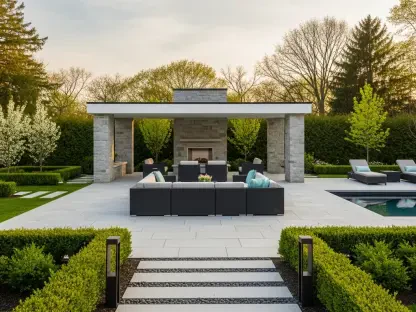
Ultimately, the rise of the “Outdoor Room” and the focus on “Spatial Correction” in renovations signify a permanent shift in how Florida homes are utilized and maintained. The pool and patio areas are now treated with the same level of detail as the interior living rooms, featuring full kitchens and outdoor cinemas that facilitate a seamless transition between inside and out. For those looking to the future of residential design, the path forward involves a commitment to regional relevance and environmental stewardship. Homeowners should prioritize investments in high-performance building envelopes and flexible floor plans that can adapt to changing family dynamics, ensuring that the homes built or renovated today remain functional, beautiful, and resilient for decades to come.