
Modern residential landscapes are no longer viewed as secondary outdoor spaces but have emerged as sophisticated architectural extensions that define the contemporary lifestyle. As digital saturation and the permanent nature of remote work continue to influence how people interact with their surroundings, the backyard has transitioned into a high-priority sanctuary designed to provide a physical reprieve from the constant influx of screen-based data. Statistics currently show that approximately three-quarters of homebuyers prioritize high-quality outdoor living areas, viewing them as essential components of a primary residence. This shift has led to a significant increase in financial investment, with many homeowners treating exterior renovations with the same level of creative detail and budgetary commitment as a high-end kitchen or master suite remodel. The result is a movement toward multi-functional outdoor compounds that blend structural integrity with natural aesthetics to create a seamless living experience.
The Rise of Architectural Zoning and Functional Layouts
Creating Outdoor Rooms Through Strategic Design
One of the most prominent shifts in current landscape architecture is the adoption of zoned layouts that effectively mirror the floor plan of a home’s interior. Rather than maintaining a single, undifferentiated expanse of grass or patio, designers are now carving out distinct areas that serve specific functional purposes, such as gourmet cooking stations, shaded dining pavilions, and dedicated wellness platforms. This structural approach ensures that every square foot of a property is utilized efficiently, allowing homeowners to transition effortlessly from a morning workout on a yoga deck to a professional meeting in a quiet outdoor office. By defining these “outdoor rooms” through the use of varied floor materials, vertical structures, and strategic lighting, the property gains a sense of order and sophistication that traditional backyards often lacked. The emphasis remains on creating a cohesive environment where the flow between different modes of living feels natural and intentional.
Furthermore, the materials used in these zoned designs are selected for their ability to withstand the elements while maintaining a high-end, indoor aesthetic. Porcelain pavers, weather-resistant cabinetry, and architectural fabrics are being utilized to blur the lines between internal and external environments, making the transition feel almost imperceptible. This trend toward structural zoning also addresses the need for privacy within a single property, as different family members can occupy various zones simultaneously without interfering with one another’s activities. Whether it is a fire-feature lounge designed for evening relaxation or a sunken conversation pit for social gatherings, these spaces are engineered to provide both comfort and utility. This level of intentionality reflects a broader understanding that the backyard is an essential tool for modern life, offering a versatile platform for entertainment, productivity, and personal reflection that complements the indoor architecture.
Adapting Zoned Living to Regional Climates
The execution of these sophisticated zoned layouts is increasingly influenced by regional geography to ensure that outdoor spaces remain functional throughout the entire year. In warmer coastal regions like Florida or Southern California, this trend manifests through the use of sunken living rooms and cascading pool designs that provide both cooling relief and a striking visual impact. These water-centric layouts often include floating steps and underwater seating areas, transforming the pool from a simple recreational feature into a central architectural element. The focus in these climates is on heat management and ventilation, utilizing pergola systems with integrated misting technology and solar-reflective flooring to keep the space comfortable even during peak sunlight. By integrating these specific climate-control features into the initial design phase, architects are able to extend the usability of the backyard, making it a viable living option regardless of the seasonal temperature fluctuations.
Conversely, in colder climates like the Pacific Northwest or the mountain regions, homeowners are investing heavily in covered patios and pavilions equipped with advanced heating elements and integrated fire features. These spaces often include heavy-timber structures and heated stone flooring to combat the chill, allowing the backyard to serve as a cozy retreat even during the winter months. Designers are also incorporating windbreaks and retractable glass walls that provide protection from the elements without sacrificing the view of the surrounding landscape. This focus on “flow and function” ensures that the backyard remains an inviting space that adapts to local weather patterns rather than being sidelined by them. Whether it is a heated dining area in Montana or a ventilated kitchen in Miami, the goal is to create a resilient environment that supports the homeowner’s lifestyle 365 days a year, reinforcing the idea that outdoor living is a permanent necessity.
The Pursuit of Private Resort Aesthetics
Emulating Upscale Destinations with Regional Authenticity
Homeowners are increasingly moving away from generic suburban landscaping in favor of a “resort-style” atmosphere that captures the feeling of an upscale vacation destination within their own property. This trend is deeply rooted in the use of site-specific materials that honor the local landscape, such as rugged granite and weathered woods in mountain regions or brick pavers and crushed shell walkways in coastal areas. By blending high-end luxury with regional authenticity, designers are creating private sanctuaries that feel both exclusive and naturally integrated into their environment. This approach avoids the “one-size-fits-all” aesthetic of previous decades, opting instead for a narrative-driven design that reflects the history and geology of the specific location. The result is a personalized retreat that provides a sense of escapism, allowing residents to disconnect from the pressures of daily life without ever having to leave their personal property.
To achieve this resort aesthetic, architects are focusing on sensory experiences that go beyond visual appeal, incorporating soundscapes and tactile elements that enhance the atmosphere of the space. Custom water features that mimic the sound of mountain streams or coastal waves are being paired with aromatic plantings and soft, ambient lighting to create a multi-dimensional environment. The integration of high-end amenities, such as professional-grade pizza ovens, custom wine refrigeration, and infinity-edge spas, further reinforces the feeling of being at a luxury hotel. This trend represents a shift in priorities, where the goal of a backyard renovation is no longer just about curb appeal or resale value, but about creating a profound sense of well-being and personal satisfaction. By investing in quality craftsmanship and authentic materials, homeowners are building lasting environments that serve as the ultimate backdrop for both quiet relaxation and sophisticated social entertainment.
Low-Maintenance Landscapes and Immersive Greenery
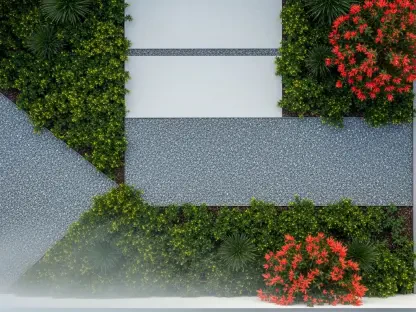
A critical component of the modern aesthetic is the “garden room,” where lush, native plantings serve as living walls to create a deep sense of enclosure and privacy. This trend moves away from high-maintenance ornamental gardens in favor of an ecological approach that utilizes local flora to create a self-sustaining and immersive environment. By selecting plants that are naturally adapted to the local climate, designers can achieve a dense, vibrant look that requires significantly less water and chemical intervention than traditional lawns or exotic flower beds. These living partitions not only provide visual privacy from neighbors but also serve as natural sound barriers and cooling agents, enhancing the overall comfort of the outdoor zones. The result is a backyard that feels like a hidden oasis, where the boundary between the built environment and the natural world is softened by layers of textured foliage and varied plant heights.
In addition to the ecological benefits, this focus on native landscaping aligns with a growing desire for low-maintenance living among busy homeowners. By reducing the time and resources required for constant upkeep, residents are free to enjoy their outdoor retreats without the burden of labor-intensive yard work. This movement toward practicality does not come at the expense of style; rather, it encourages a more organic and relaxed aesthetic that complements the structural elements of the home. Features such as gravel pathways, wildflower meadows, and drought-tolerant groundcovers are being used to create a “wild luxury” look that is both sophisticated and environmentally responsible. This shift reflects a broader cultural awareness of sustainability, where the beauty of a backyard is measured not just by its appearance, but by its ability to thrive in harmony with the surrounding ecosystem while providing a serene space for human connection.
Holistic Wellness and Everyday Integration
Incorporating Physical and Mental Recovery Zones
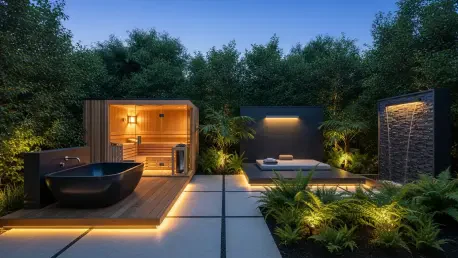
Wellness has migrated from the confines of the home gym and the master bathroom into the open air, with “fire and ice” therapy zones becoming a standard feature in high-end backyard design. These areas typically include traditional cedar saunas or infrared cabins paired with cold plunge tubs, specifically designed to support physical recovery and mental clarity through contrast therapy. By placing these wellness features directly into the landscape, homeowners are able to engage in health-focused routines while surrounded by the calming influence of nature. This architectural integration often includes dedicated meditation decks and outdoor showers that utilize natural stone and rain-style fixtures to enhance the sensory experience. The transition from a rigorous workout to a recovery session is made seamless by the thoughtful layout of the property, ensuring that the backyard serves as a comprehensive tool for maintaining a healthy and balanced lifestyle.
Furthermore, the concept of wellness is being baked into the very infrastructure of the property through features like heated walkways for winter accessibility and ergonomic seating integrated into fire pit areas. Designers are also focusing on the psychological impact of the environment, utilizing “blue zones” and rhythmic water features to lower cortisol levels and promote a sense of tranquility. The backyard is no longer just a place for physical activity; it has become a dedicated space for mental restoration, where the absence of digital noise allows for deep reflection and emotional rejuvenation. This focus on holistic health reflects a changing perspective on luxury, where the most valuable amenity a home can offer is the ability to facilitate the physical and emotional well-being of its occupants. As these wellness zones become more prevalent, they are transforming the backyard into a vital component of the modern healthcare routine, providing a private and accessible sanctuary for daily self-care.
Blurring the Lines Between Indoor and Outdoor Living
The modern backyard has effectively shed its status as a space reserved for special occasions, becoming an essential and frequently used part of the daily routine. High-end materials and sophisticated lighting systems, controlled via smart home automation, allow these areas to be utilized twenty-four hours a day, whether for a quiet morning coffee or a midweek dinner under the stars. The physical barriers between “inside” and “outside” are continuing to blur as floor-to-ceiling glass walls and level-entry thresholds become the architectural standard for new constructions. This seamless integration encourages a lifestyle where the boundaries of the home are expanded to include the entire property, significantly increasing the perceived living space. As the home continues to evolve into a multi-functional hub for work, health, and social life, the backyard has emerged as the most versatile and valuable frontier of residential design.
To maintain this level of integration, designers focused on selecting finishes and furniture that mirrored the interior palette, creating a unified aesthetic throughout the entire property. In the past, the transition from the living room to the patio often felt like moving between two different worlds, but recent projects prioritized visual and tactile continuity. This approach allowed the backyard to feel like a permanent sanctuary rather than a seasonal luxury, encouraging residents to engage with the outdoors regardless of the time of day. Looking forward, the emphasis shifted toward creating environments that supported long-term health and social connection, ensuring that the backyard remained a central pillar of the home’s value. Homeowners were encouraged to consult with landscape architects early in the building process to ensure that structural zoning and wellness features were fully integrated into the site’s master plan. By viewing the exterior space as a dynamic and essential living area, residents secured a versatile environment that adapted to their evolving needs and supported a higher quality of life.