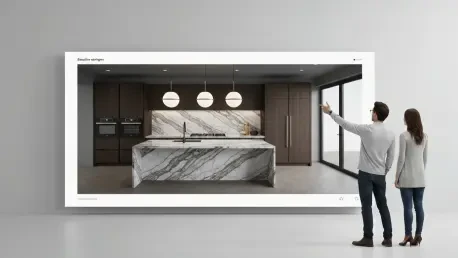

The quest for the perfect kitchen has often led homeowners down a path of prescriptive rules and fleeting trends, where the fear of making a design misstep overshadows the joy of creating a truly personal space. Today’s leading interior designers are advocating for a profound shift in perspective, urging a departure from the homogenous aesthetics often dictated by social media and a return to a design process rooted in individuality. This philosophy places the homeowner’s unique lifestyle, daily rituals, and personal story at the very core of every decision, from the grand layout to the smallest detail. It is an approach that transcends the superficial to craft a kitchen that is not just a room for cooking, but a deeply functional, emotionally resonant hub of the home. By prioritizing personal narrative over popular opinion, the resulting space becomes a timeless reflection of its inhabitants, promising both daily delight and lasting value.
The Primacy of Personalization
The most significant barrier to creating a genuinely bespoke kitchen is often the overwhelming chorus of external opinions that can drown out one’s own intuition. Designer Jane Ledger forcefully critiques the pervasive “should” and “shouldn’t” culture, which pressures individuals to sacrifice their comfort and preferences for the sake of conforming to a perceived standard. The key is to shift the decision-making process from one based on trends to one grounded in reason and personal habits. A compelling illustration of this principle is the common debate over placing a sink on the kitchen island. Rather than adhering to a rigid rule, one client’s cherished Friday ritual of arranging a fresh bouquet of flowers justified the inclusion of a small secondary sink on her island. This feature, which might be deemed a faux pas by some, was a perfectly tailored solution that supported her specific lifestyle. This anecdote encapsulates the core philosophy: a great kitchen is not a universal template but a narrative space, meticulously designed to support the unique rhythm of its inhabitants’ lives.
This emphasis on individuality is empowering homeowners to make bolder, more expressive choices in their kitchen designs. Designer Rachael Pearse observes a growing confidence among clients who are now opting for richly colored or heavily veined marbles and other statement materials. This shift signifies a departure from designing primarily for “resale”—a practice that often leads to safe, neutral, and ultimately impersonal spaces. Instead, the focus has moved squarely to creating an environment for present enjoyment, one that is tailored to the owner’s specific taste and lifestyle. By liberating themselves from the constraints of appealing to a hypothetical future buyer, homeowners can invest in elements that bring them personal joy. This approach fosters the creation of kitchens that are not only unique and memorable but also possess an authenticity and character that cannot be replicated, transforming the heart of the home into a true sanctuary of self-expression.
Embracing the Beauty of Natural Materials
A significant movement in contemporary kitchen design involves a renewed and enthusiastic embrace of natural materials, a trend accelerated by the nationwide ban on engineered stone. Designers and homeowners alike are shedding the long-held fear of materials that are not perfectly uniform or impervious to wear. This marks a profound philosophical shift away from the pursuit of sterile perfection and towards an appreciation for the concept of “patina”—the gentle weathering and signs of use that accumulate over time. Referencing the timeless, lived-in beauty of stone seen throughout Europe, this approach champions the idea that materials should visibly reflect the life that happens around them. The ideal is shifting toward homes where surfaces are “used and loved,” bringing a sense of warmth, history, and profound authenticity that manufactured products cannot emulate. This celebration of imperfection transforms the kitchen from a pristine showroom into a comfortable, welcoming space with a soul.
Beyond their aesthetic appeal, natural stones bring an unparalleled combination of performance, durability, and sustainability to the modern kitchen. The key lies in selecting the right material for the specific application. For example, designer Rachael Pearse specified Taj Mahal quartzite for clients who frequently cook with potent, staining ingredients like turmeric and red wine, noting its robust and “easy to live with” nature. In another project designed for a large family, Turco Agento limestone was chosen to create an elegant yet highly functional space. The application of these materials now extends far beyond countertops. Using the same stone for a full-height splashback or even a custom-fabricated rangehood allows for a cohesive and dramatic design statement. This demonstrates that natural stone is not merely a decorative choice but a practical one that, when chosen thoughtfully, provides a hardy, earth-sourced foundation for the busiest room in the house.
Strategic Elements of Modern Kitchen Design
The functional core of the kitchen has been redefined by two key spatial strategies. First, the island bench has evolved from a simple prep area into an oversized, multifunctional centerpiece. It now frequently serves as a breakfast bar, a dinner table, a homework station, and a social hub for entertaining. In a transformative example, one project saw the complete elimination of a separate dining table to accommodate a massive 3m x 1.4m island with seating for six, fundamentally altering the way the family uses the space. Secondly, there is a growing trend of designing kitchens with no upper cabinets. This bold move opens up the room, making it feel less enclosed and more integrated with adjoining living areas. The liberated vertical wall space then becomes a canvas for personal expression, providing the perfect opportunity to showcase a stunning slab of marble, a unique Japanese tile, or another statement material that becomes a powerful focal point.
While grand gestures define the space, it is the meticulous attention to smaller design elements that elevates a kitchen from good to exceptional. Designer Rachael Pearse likens hardware—knobs and handles—to “jewellery for your kitchen,” emphasizing their capacity to have a transformative effect on the overall aesthetic. Opting for living or raw finishes on these elements can also contribute to the desired patina over time, adding depth and interest as they age. Lighting is another critical layer that requires a dual approach: a foundation of functional task lighting must be complemented by decorative feature lighting. The use of bold, statement pendants, for instance, can introduce a “wow factor” and a sense of refined sophistication. Finally, the seamless integration of appliances, disguising them behind cabinetry, achieves a more streamlined and cohesive look while offering the practical benefit of eliminating the constant need to wipe fingerprints from stainless steel surfaces.
The Value of a Meticulous Process
Achieving a dream kitchen is contingent upon a thorough and professional planning process that begins long before any construction takes place. The most successful outcomes often stem from holistic space planning, where the kitchen is not designed in isolation. This may involve manipulating the home’s broader floor plan, potentially “stealing” space from adjacent areas to optimize the kitchen’s layout, storage, and flow. Furthermore, a critical and non-negotiable step is the investment of time in creating highly detailed drawings and schedules. This proactive documentation serves as the definitive roadmap for the project, ensuring that the design vision is clearly and unambiguously communicated to all tradespeople involved. By finalizing every decision on paper beforehand, homeowners can prevent costly on-the-fly choices and minimize the headaches and potential compromises that arise during the often-chaotic construction phase.
When it comes to choosing natural stone, the process should be treated with the same care and consideration as selecting a unique piece of art for the home. A small, hand-held sample is fundamentally inadequate for conveying the true character, depth, and movement of a natural material. To make an informed decision, it is essential to engage in an experiential selection process by visiting a stone supplier to view the full, large-scale slabs in person. Only then can one fully appreciate the intricate veining, subtle color variations, and overall personality of the stone. This immersive approach ensures that the chosen slab is not just a surface but a central feature that perfectly aligns with the overall design vision. It transforms a functional choice into a deeply personal one, guaranteeing that the material will serve as a breathtaking and cherished focal point in the finished kitchen.
From Personal Vision to Proven Asset
The investment in a deeply personalized and thoughtfully executed kitchen extended beyond daily enjoyment, solidifying its status as one of the most effective ways to boost a home’s market value. Real estate professional Susan James affirmed that in an era of more casual living, the kitchen had become the undisputed center of the home—a primary space for family gatherings and entertaining. When prospective buyers encountered a kitchen with bespoke details, clever storage solutions, ample bench space, and high-quality features, it sparked a powerful “emotional connection.” They began to instinctively visualize their own lives unfolding in the space, from morning coffees to celebratory dinners. This tangible connection made them more comfortable paying a premium price, proving that a kitchen designed with heart and intelligence was not merely an expense but a strategic enhancement that delivered significant financial returns upon sale.
This powerful link between thoughtful design and market appeal underscored the wisdom of prioritizing personal narrative over fleeting trends. A kitchen built around the unique rhythms of a family’s life, featuring durable, timeless materials and a highly functional layout, was perceived not as a dated or stylized space but as a foundation of quality. Buyers recognized that such a kitchen would not require an immediate, costly renovation, which removed a significant point of friction in the purchasing decision. The investment in detailed planning, superior craftsmanship, and authentic materials was ultimately seen and appreciated as an investment in the home’s long-term integrity. The emotional appeal, therefore, was strongly supported by a logical and financial one, creating a compelling case that a dream kitchen, designed from the inside out, was the most valuable asset a homeowner could cultivate.