
The realization that a home’s exterior often fails to keep pace with its meticulously renovated interior has become a significant point of contention for modern homeowners seeking cohesive design. While thousands of dollars are routinely funneled into high-end kitchen islands and smart bathroom fixtures, the architectural shell often remains a stagnant relic of previous decades, creating a jarring aesthetic disconnect. Industry experts, including Joe Raboine of Oldcastle APG, emphasize that the core objective of modernization lies in bridging this gap through a high-value aesthetic characterized by clean lines and functional longevity. Prioritizing the facade ensures that the property reflects a contemporary lifestyle from the very first glance, transforming a house from a dated structure into an inviting, intentional residence. This shift requires moving beyond simple maintenance toward a philosophy of multi-dimensional textures and structural harmony that defines modern living standards.
Refining Color Palettes: The Shift Toward Sophisticated Neutrals
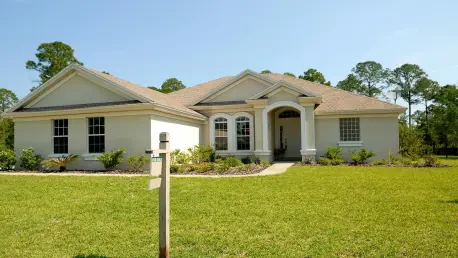
One of the most immediate indicators of a property’s age is a color scheme that feels trapped in a specific era, such as the dusty mint greens or overly vibrant yellows popular in the late twentieth century. Modern design standards have firmly pivoted toward sophisticated neutrals, where warm whites, muted beiges, and deep coastal blues serve as the foundation for a timeless exterior. However, the true evolution in current styling is the deliberate move away from monochromatic uniformity, which often makes a house look flat and uninspired. Instead of applying a single pigment across the entire facade, contemporary professionals advocate for integrating a variety of tones and materials to create a layered effect. This strategy adds much-needed depth and dimension, ensuring the home possesses a unique visual identity that avoids the “cookie-cutter” appearance of older suburban developments. By carefully selecting a palette that complements the local environment, owners can achieve a polished and high-end look.
Building on the foundation of color, the texture of the building’s masonry plays a pivotal role in either dating a structure or elevating it to modern standards. Brickwork that features busy, variegated patterns or faded, uneven hues can significantly detract from the overall curb appeal, even if the rest of the property is well-maintained. Rather than viewing brick as an unchangeable obstacle, homeowners are increasingly turning to professional staining or painting techniques to align dated masonry with current neutral palettes. For more extensive renovations, the application of smooth stucco or high-quality contemporary siding offers a way to completely obscure older, less desirable textures. These updates provide a clean, streamlined slate that allows the home’s primary architectural silhouette to take center stage without the distraction of cluttered visual patterns. This focus on textural clarity ensures the property feels fresh and relevant, reflecting a meticulous attention to detail that characterizes premium modern architecture in the current market.
Updating Structural Details: Enhancing the Entryway and Trim
The front door functions as the primary focal point of a home’s exterior, yet it is frequently the most overlooked element in a modernization project. Outdated features like decorative oval glass inserts, heavy brass door knockers, and traditional sidelights often serve as dead giveaways of a home’s age. To rectify this, professionals suggest moving toward substantial double doors crafted from rich natural wood or high-performance fiberglass that mimics the weight and texture of organic materials. Modernizing the entryway further involves replacing ornate hardware with minimalist, sleek designs that prioritize clean geometric shapes and matte finishes. Choosing a door color that provides a bold yet tasteful contrast to the siding can instantly elevate the first impression of the property, offering a sense of security and high-end luxury. This intentional focus on the entrance creates a welcoming transition from the outside world into a modern interior, ensuring that the design narrative remains consistent and professional throughout the entire residence.
Beyond the front door, the secondary structural details such as railings, trim, and columns have a disproportionate impact on how a home’s age is perceived by visitors and passersby. The heavy wooden spindles and intricate ironwork once favored for porches and balconies now appear cluttered and dated compared to the transparency of modern systems. Replacing these elements with a sophisticated mix of materials—including glass panels, stainless steel cables, or thin metal rails—opens up the visual space and emphasizes a more architectural, refined aesthetic. Even small-scale adjustments, such as updating the profile of porch columns or applying a high-contrast paint to the window trim, can sharpen the building’s overall silhouette and make it stand out in a neighborhood of older properties. These subtle but powerful refinements move the property away from a busy 20th-century appearance and toward an era of design that celebrates structural honesty and clean, unburdened lines, effectively age-proofing the home’s exterior for the foreseeable future.
Integrating Curated Landscapes: Landscaping and Walkway Systems
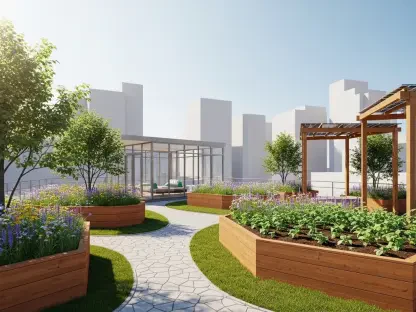
Landscaping is a structural component that should frame and enhance a house rather than obscuring its design behind a wall of overgrown, suffocating greenery. The outdated approach of maintaining dense, perfectly manicured hedges or massive shrubs is being replaced by a more natural, relaxed, and colorful design philosophy. Modern curb appeal relies on the use of sculptural native plants that offer visual interest throughout the seasons while requiring significantly less water and maintenance than traditional lawns. By removing vegetation that crowds the facade and replacing it with curated growth, homeowners allow the architectural features of the building to breathe and be seen. Incorporating fresh mulch or decorative gravel creates clean, defined borders that provide a sense of order without the rigidity of older landscaping styles. This shift toward an intentional, sustainable plant palette ensures that the garden serves as a dynamic extension of the home’s design, enhancing its market value through a blend of organic beauty and modern environmental consciousness.
The condition of the ground surfaces is just as critical as the vegetation, as cracked, stained, or uneven concrete slabs often contribute to a general sense of property fatigue. Transitioning from traditional poured concrete to advanced paver systems for driveways and walkways offers a significant upgrade in both durability and aesthetic appeal. Pavers provide a variety of stone-like textures and intricate patterns that add an immediate layer of luxury, while their individual unit construction allows them to shift naturally with the ground to prevent the unsightly cracking common in solid slabs. To complete this ground-level transformation, an integrated lighting plan is essential for highlighting the new textures and ensuring safety after dark. Strategic placement of consistent, high-quality fixtures can wash landscape walls and paths in a warm, inviting glow that elevates the property’s nighttime presence. This comprehensive approach to the groundwork ensures that every functional element of the exterior supports the overarching goal of a sophisticated, modern, and well-maintained estate.
Establishing Functional Longevity: A Conclusion on Design Strategy
The successful modernization of these homes depended on a strategic shift from decorative excess toward functional simplicity and material diversity. Homeowners who moved away from monochromatic schemes and embraced multi-textured facades discovered that their properties gained a renewed sense of architectural relevance. The transition from high-maintenance, overgrown landscaping to curated native plant systems allowed the structural integrity of the buildings to shine, while the installation of paver systems eliminated the chronic issues associated with cracking concrete. It became clear that the most effective updates were those that prioritized intentionality, where every detail from the door hardware to the lighting “wash” contributed to a unified design plan. Looking forward, the focus remained on selecting durable, high-quality materials that minimized future maintenance while maximizing visual impact. By treating the exterior as a cohesive project rather than a series of isolated repairs, these design choices ensured that the properties remained competitive and aesthetically pleasing in a rapidly evolving real estate market.