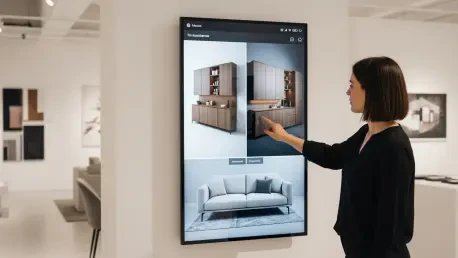

The rapid evolution of spatial computing and automated rendering has fundamentally altered the expectations of modern interior designers, yet the persistent gap between a digital vision and a physical build remains a significant hurdle. In response to this challenge, Mattoboard has officially unveiled Design Stream, a specialized artificial intelligence engine meticulously engineered to transform abstract concepts into specifiable, real-world environments within seconds. Unlike traditional generative platforms that often produce aesthetically pleasing but structurally impossible imagery, this tool focuses on the precise integration of sourceable materials and manufacturer-verified products. By prioritizing functional reality over artistic abstraction, the platform provides a professional-grade curation environment where every texture, light reflection, and furniture piece corresponds to a tangible asset available in the marketplace. This shift from generic visual generation to localized, high-fidelity 3D material sampling allows design firms to accelerate their creative workflows while maintaining the strict technical standards required for successful project execution.
Overcoming the Limitations of Generative AI
The architectural and design sectors have recently reached a tipping point where the novelty of AI-generated imagery has been overshadowed by the practical frustrations of “AI slop,” a phenomenon where software generates textures and geometries that are physically nonexistent or impossible to manufacture. This lack of grounded data creates a friction point during the procurement phase, as designers find themselves unable to replicate the digital aesthetics in a physical room. Design Stream addresses this by utilizing a proprietary material intelligence layer that teaches the AI the complex physics of various surfaces. By understanding how light interacts with specific materials—whether it be the subtle grain of a hardwood floor or the transparency of a tinted glass partition—the system ensures that the generated visualizations are not just pictures, but digital twins of physical samples. This technical depth allows professionals to bypass the guesswork often associated with earlier iterations of generative design tools.
Furthermore, the implementation of 3D material sampling represents a fundamental departure from the static mood boards that have dominated the industry for decades. By simulating real-world qualities like textural depth and displacement, Mattoboard enables designers to interact with products in a virtual space that mirrors the nuance of a physical showroom. This advancement is particularly critical for high-stakes projects where a single material choice can influence the lighting design, acoustic performance, and overall atmosphere of a commercial or residential space. The ability to verify the visual impact of a specific material before a physical sample is even ordered reduces waste and streamlines the decision-making process. Consequently, the tool serves as a reliable bridge between the initial creative spark and the final installation, ensuring that the integrity of the design is maintained from the first digital sketch to the last piece of furniture placed on site.
Understanding the Modern Designer’s Needs
Industry-wide shifts toward digital literacy have made it clear that proficiency in artificial intelligence is no longer an optional skill but a core requirement for professional practice in 2026. Data suggests that over 80 percent of designers now view AI integration as a foundational element of their workflow, yet many still rely on general-purpose tools like ChatGPT or Midjourney that lack the specialized vocabulary of interior design. While these broad tools are excellent for brainstorming, they often fail to account for the logistical constraints of real-world projects, such as lead times, material durability, and budget limitations. Mattoboard fills this void by creating a specialized ecosystem that respects the professional boundaries of the industry. It provides a structured environment where the speed of automated generation is balanced by the necessity of precision, allowing designers to remain within a productive, actionable workflow rather than getting lost in the infinite but unusable possibilities of generic art generators.
This demand for specialized tools is driven by a collective desire for greater realism and iterative flexibility throughout the design process. Professional designers frequently encounter scenarios where a client likes a general aesthetic but requires specific adjustments to color palettes or material types that a standard AI cannot easily modify without losing the original composition. Design Stream solves this by allowing for granular control over the curation process, enabling users to swap out individual elements while the engine maintains the architectural logic of the scene. By integrating specific brand catalogs directly into the interface, the platform empowers users to move past the placeholder stage and into definitive specification. This focus on utility ensures that the software acts as an extension of the designer’s intent rather than an unpredictable collaborator, ultimately fostering a higher level of trust between the creative professional, the client, and the final project outcome.
Delivering Value to Designers and Suppliers
The introduction of Design Stream creates a synergistic relationship between architectural firms and the global suppliers that provide the building blocks of interior spaces. For professional firms, the primary benefit lies in the radical reduction of the time required to source and visualize complex material combinations, which traditionally involves hours of manual catalog searching and physical sample coordination. By leveraging “digital twins” of products from industry giants like Formica, Behr, and Stark Carpets, the engine simulates how these specific items will perform under various lighting conditions and in different spatial configurations. This capability allows for rapid iteration at the “speed of imagination,” ensuring that projects stay within budget and schedule without sacrificing aesthetic quality. The automation of these labor-intensive tasks frees up senior designers to focus on high-level strategy and client relations rather than the minutiae of product searching.
Simultaneously, the platform functions as a powerful discovery engine for material manufacturers, placing their products directly in the hands of decision-makers at the exact moment of creative inspiration. When a designer uses the tool to generate a concept, the specific materials and finishes are embedded into the visualization, providing a direct link to the manufacturer’s technical data and procurement channels. This visibility is invaluable in a crowded market where traditional marketing methods may fail to capture the attention of busy professionals. By integrating directly into the design workflow, suppliers can ensure their latest collections are being utilized in high-visibility projects. This seamless connection between initial curation and final procurement not only drives sales for the brands involved but also simplifies the logistics for the design team, as every item in the approved concept is already vetted and ready for order.
Growth and Strategic Investment
The momentum behind Mattoboard is underscored by a significant influx of capital from major industry players, highlighting a broad market confidence in the transition toward digital-first design environments. A recent $2 million seed funding round, led by Acrobator Ventures and supported by Home Depot Ventures and Masco Ventures, brings the company’s total backing to a level that permits aggressive expansion of its technical capabilities. This investment is not merely a financial endorsement but a strategic alignment with entities that have a vested interest in the future of the construction and home improvement sectors. As large-scale firms like HOK and GHD begin to explore the platform’s advanced features, it becomes evident that the industry is moving away from fragmented, manual processes in favor of integrated platforms that can handle the complexity of modern architectural requirements.
This shift toward digital integration is further validated by the growing adoption of “Team Pro” plans among top-tier design organizations that require collaborative tools to manage large-scale international projects. The ability to synchronize material libraries and design concepts across global offices ensures consistency and reduces the risk of errors during the specification phase. As corporate interest continues to rise, the traditional reliance on physical mood boards and bulky paper catalogs is rapidly fading. The capital being poured into this space suggests that the future of interior design will be defined by platforms that can synthesize vast amounts of product data into intuitive, high-speed visual tools. This evolution is positioning Mattoboard as a central hub for the design community, where the boundaries between digital inspiration and physical procurement are permanently blurred through the application of sophisticated data modeling and cloud-based collaboration.
Setting a New Standard for Design Accuracy
The successful launch of Design Stream marks a transformative period for the industry, where the historical friction between conceptual ideas and physical construction is being systematically dismantled. By grounding artificial intelligence in the reality of specifiable products, the platform has established a new benchmark for accuracy that allows designers to move forward with unprecedented confidence. The path forward for professionals involves embracing these tools not just for their visual output, but for their ability to serve as a comprehensive project manager and technical consultant. Future iterations of the software are expected to handle even more complex administrative tasks, such as managing technical queries and liaising directly with manufacturers to verify stock levels and lead times. This trajectory suggests that the role of the designer will continue to evolve toward that of a high-level curator who uses AI to handle the logistical “heavy lifting” of the build process.
To capitalize on these advancements, designers and firms should prioritize the integration of material-intelligent tools into their standard operating procedures immediately. The ability to provide clients with a specifiable reality rather than a vague suggestion will be the primary differentiator in a competitive market that demands both speed and precision. Moving forward, the focus should remain on maintaining a rigorous data-driven approach to curation, ensuring that every digital selection is backed by a verified physical counterpart. By doing so, the industry can finally move past the era of “AI slop” and enter a period of refined, digital-first construction. This commitment to accuracy will not only streamline the procurement process but also ensure that the final physical spaces are true reflections of the initial creative vision, leading to higher client satisfaction and more efficient project lifecycles across the entire architecture and design landscape.