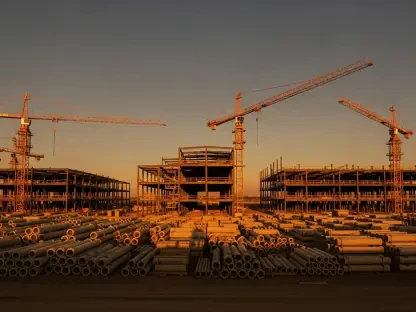

The long-anticipated transformation of one of Los Angeles’s most prominent cultural institutions is entering its final phase, as the monumental task of primary construction on the new museum building has officially concluded. This pivotal milestone marks a significant shift in focus from large-scale structural work to the intricate and detailed processes of finalization. The current stage involves the commissioning of essential building systems, a critical step in bringing the structure to life, alongside intensive interior and exterior finishing work. As crews meticulously craft the museum’s internal spaces and surrounding public plazas, new, large-scale art installations are simultaneously being integrated into the campus. This period of intense activity also brings with it a series of planned and long-term changes to public access, including sidewalk and lane closures that will reconfigure pedestrian and vehicular flow around the site for the foreseeable future, signaling the project’s comprehensive approach to integrating the new landmark into the urban fabric of Wilshire Boulevard.
The Final Stages of a Landmark Transformation
From a Concrete Shell to a Finished Space
With the primary structural framework now complete, the project has pivoted to the highly detailed interior work required to transform the building into a world-class museum. Activity is currently concentrated on the ground level of the project’s east side, north of Wilshire Boulevard, as well as in the basement and ground-level areas of the Spaulding Lot to the south. In these zones, teams are diligently working on the complex systems that form the building’s operational core. This phase includes the commissioning of mechanical, electrical, and plumbing systems, ensuring that the infrastructure for climate control, lighting, and security meets the stringent requirements for housing priceless art. This process is less about visible construction and more about the technical activation of the building, a crucial transition from a static structure to a dynamic, functional environment. It represents the meticulous, behind-the-scenes effort that will ultimately support the public’s experience of the art within its galleries.
Cultivating a New Public Landscape
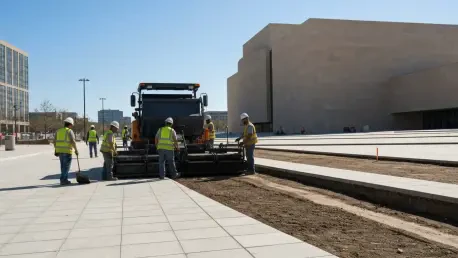
Simultaneously with the interior finalization, a significant effort is underway to shape the building’s exterior and create new, accessible public spaces for the community. The focus of this work is on the same key areas: the project’s east side and the Spaulding Lot. Here, extensive grading and paving operations are establishing the foundational layout for plazas and walkways that will seamlessly integrate the museum with its urban surroundings. This is followed by comprehensive landscaping, which will introduce greenery and create inviting outdoor environments for visitors and passersby alike. This exterior development is not merely decorative; it is a fundamental part of the architectural vision, designed to extend the museum’s reach beyond its walls and foster a more open, engaging campus. The creation of these new outdoor public areas is as critical to the project’s success as the galleries themselves, aiming to establish the new building as a vital and welcoming civic hub.
Art, Access, and Community Impact
Integrating Monumental Works of Art
As the building itself takes its final form, iconic and newly commissioned artworks are being installed, destined to become defining features of the new David Geffen Galleries. One of the most significant installations is Jeff Koons’s “Split-Rocker” (2000), a monumental living sculpture that will be meticulously composed of over 45,000 individual plants. This vibrant and massive piece will serve as a prominent anchor for the ground-level public areas, offering a striking visual experience that merges contemporary art with horticulture. In addition to this established masterpiece, LACMA is also introducing new works, including “Octavia’s Gaze,” a recently commissioned piece by artist Todd Gray. The installation of this new artwork is currently in progress, underscoring the museum’s ongoing commitment to supporting and showcasing contemporary artists. The simultaneous installation of these major works signals the building’s transition from a construction site to a living cultural space where art and architecture converge.
Navigating Public and Vehicular Disruptions
To facilitate the final stages of streetscape enhancement, including the installation of new sidewalks and street trees, the public should anticipate significant and long-term adjustments to local access. Effective from December through February 2026, a sidewalk closure will be implemented on the south side of Wilshire Boulevard between Spaulding and South Stanley Avenues; pedestrians will be safely rerouted to the north side of the street. A similar closure will affect the east side of Spaulding Avenue between Wilshire and 8th Street, with foot traffic redirected to the west side. For motorists, a northbound vehicular lane on Spaulding Avenue between 8th Street and Wilshire Boulevard will be closed, although the southbound lane will remain accessible. Compounding these changes, separate disruptions related to Metro construction have established a work zone on the south side of Wilshire Boulevard, which may lead to intermittent lane reductions, requiring commuters to exercise additional caution in the area.
A Foundation of Safety and Protocol
The complex coordination of construction, art installation, and public interface was guided by a strict operational framework and an unwavering commitment to safety. Construction activities were scheduled from 7 am to 7 pm on weekdays and 8 am to 6 pm on Saturdays, providing a predictable rhythm for both the workforce and the surrounding community. Throughout this massive undertaking, the contractor, Clark Construction, diligently enforced all Cal/OSHA standards to ensure a secure worksite. This rigorous approach involved providing all on-site personnel with appropriate personal protective equipment and maintaining stringent hygiene protocols across the campus. These safety measures were not merely a matter of compliance but were a foundational element of the project’s management, a proactive strategy that protected the hundreds of workers on site and ensured that the project could proceed efficiently and responsibly toward its completion.