
The rapid departure from the sterile, monochromatic aesthetics of the early twenty-twenties has ushered in a profound appreciation for organic textures and architectural depth within the domestic sphere. This shift marks a significant cultural pivot away from “fast furniture” and ephemeral digital trends toward a more grounded, permanent sense of place that prioritizes high-quality materials and historical resonance. While painted drywall once served as the default canvas for modern living, the contemporary eye now gravitates toward the rhythmic complexity and tactile warmth found in natural timber. This resurgence is not merely a nostalgic callback to mid-century basements but a sophisticated re-imagining of how wood can anchor a room’s identity. By integrating wood paneling, homeowners are discovering that they can transform flat, uninspired spaces into environments that feel both established and resilient against the ever-changing whims of the interior design industry.
Architectural Substance and Material Integrity
The Evolution of Tactile Interior Environments
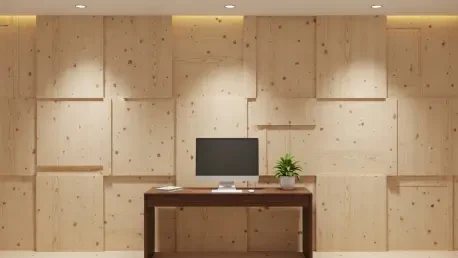
The allure of wood paneling in the current design landscape stems from its unique ability to introduce a sensory narrative that synthetic materials simply cannot replicate. In an age where digital interfaces dominate daily life, the physical touch of a grain-textured wall provides a necessary connection to the natural world, creating a restorative atmosphere. Designers emphasize that wood introduces a distinct “architectural weight” to a room, offering shadows, highlights, and a physical presence that paint alone fails to provide. Whether utilizing traditional beadboard or expansive flat-sawn panels, the material acts as a foundational element that suggests a home was built with intention and longevity. This tactile quality is particularly effective in high-traffic areas or intimate spaces like libraries and bedrooms, where the organic irregularities of the wood grain offer a visual softness that balances the sharp lines of modern electronics and minimalist furniture layouts.
Furthermore, the integrity of wood as a material ensures that it functions as more than a decorative layer; it becomes a structural statement of quality. Unlike wallpaper or decorative moldings made from composite plastics, solid wood or high-grade veneers age with a grace that enhances their character over time. This aging process, or patina, allows a home to evolve alongside its inhabitants, developing a unique history that is etched into the very walls. This inherent durability means that wood-paneled surfaces are increasingly viewed as a wise investment for those looking to bypass the cycle of frequent renovations. By selecting timber with prominent character or subtle, uniform textures, designers can curate specific moods—ranging from the rugged comfort of a mountain retreat to the polished elegance of a contemporary urban penthouse—without sacrificing the fundamental warmth that wood naturally emits in any setting.
Longevity Through Natural Craftsmanship and Detail
The success of integrating wood walls into a modern floor plan relies heavily on the precision of the craftsmanship and the thoughtful selection of species and finishes. Contemporary applications often favor cleaner profiles and thinner reveals than their predecessors, moving away from the heavy, over-glossed look of decades past. By focusing on the natural luster of the wood and using matte or oil-based finishes, the material is allowed to breathe and interact with light in a way that feels dynamic throughout the day. This approach highlights the structural honesty of the panels, turning an ordinary wall into a focal point that requires little additional ornamentation. The result is a space that feels curated and complete, reducing the need for excessive artwork or cluttered decor. It is this inherent completeness that defines the timeless nature of wood, providing a backdrop that remains relevant regardless of the specific furniture style chosen to accompany it.
Modern construction often lacks the architectural “bones” found in historic estates, and wood paneling serves as an effective tool for retrofitting that missing character into newer builds. By varying the orientation of the grain—using vertical placements to heighten ceilings or horizontal runs to expand the perceived width of a room—designers can manipulate the proportions of a space to suit specific needs. This versatility is enhanced by the wide range of available species, from the airy, Scandinavian influence of light oak to the rich, contemplative depths of walnut. Each choice carries its own emotional temperature, allowing for a highly personalized approach to home design that feels intentional rather than accidental. When executed with attention to joinery and scale, wood paneling transcends its role as a mere wall covering, becoming a permanent fixture that adds tangible value and a sense of permanence to the residential environment.
Modern Interpretations and Strategic Integration
Balancing Visual Weight and Contemporary Proportions
Successfully implementing wood paneling in 2026 requires a keen understanding of scale and how visual density affects the perceived atmosphere of a living space. One of the most effective modern strategies involves the use of “intentional asymmetry” and varied panel widths to create a sense of movement that prevents the wood from feeling static or oppressive. By breaking away from rigid, repetitive patterns, designers can introduce a sculptural quality that feels more like a custom installation than a traditional wall treatment. This technique is particularly useful in open-concept layouts where a single paneled feature wall can define a functional zone, such as a dining area or a workspace, without the need for physical partitions. The goal is to use the wood to guide the eye and create a sense of hierarchy within the home, ensuring that the most important areas feel anchored and distinct from the surrounding transitional spaces.
The choice of finish also plays a critical role in how wood paneling integrates with the overall technological and aesthetic requirements of a modern household. Darker, more saturated stains are frequently utilized to create “moody” environments that offer a sense of security and enclosure, perfect for media rooms or primary suites where relaxation is the priority. Conversely, bleached or natural-toned woods work to maximize available light, making them ideal for smaller rooms or areas with limited window exposure. Modern designers are also experimenting with monochromatic schemes where the paneling is stained to match the ceiling or flooring, creating a seamless “envelope” that feels incredibly sophisticated and cohesive. This holistic approach to color and texture ensures that the wood feels like an integral part of the architecture rather than a superficial addition, reinforcing the concept that the home is a unified, well-considered entity.
Forward-Thinking Applications for Lasting Design
Transitioning toward a timeless home requires a departure from temporary fixes in favor of materials that offer both aesthetic versatility and environmental responsibility. Homeowners looking to adopt this look should prioritize reclaimed or sustainably sourced timber, which adds a layer of ethical narrative to the design process. To ensure the paneling remains relevant for years to come, it is advisable to avoid overly trendy patterns—such as the ubiquitous “shiplap” of the previous decade—and instead focus on classic profiles like tongue-and-groove or sophisticated flat-panel systems. Integrating hidden technology, such as flush-mounted speakers or concealed storage, within the paneling itself can further enhance the functionality of the space without disrupting the visual continuity of the wood. This fusion of old-world materiality and modern utility creates a living environment that is prepared for the future while remaining deeply rooted in the comfort of the past.
The restoration of wood as a primary interior element represented a broader movement toward quality and substance in residential architecture. Designers successfully moved beyond the kitsch of the mid-twentieth century by focusing on the raw beauty of the grain and the precision of modern installation techniques. For those seeking to replicate this success, the first step involved assessing the light levels and existing proportions of a room to determine the most appropriate wood species and orientation. By investing in professional installation and high-quality finishes, it was possible to create interiors that didn’t just look good on camera but felt substantial and meaningful in daily life. Ultimately, the decision to embrace wood paneling was a commitment to a more permanent form of beauty, one that rejected the disposable nature of modern consumerism in favor of an enduring, tactile sanctuary.