
The subtle yet profound difference between a room that feels merely finished and one that feels truly inhabited often comes down to a single, powerful design principle. This principle is not about acquiring more items, but about the artful combination of textures, shapes, materials, and scales to create a space that feels intentional, collected, and visually dynamic. A space devoid of this quality can appear flat or sterile, regardless of the quality of its furnishings. This technique, known as layering, is what infuses a room with authenticity and a sense of history, suggesting a life lived within its walls. It moves beyond fleeting trends to become the foundational element of sophisticated interior design. As Sarah Hart of Sarah Hart Interior Design notes, “Without layering, a space can fall flat, especially in luxury homes where the goal is a sense of depth and quiet richness.” This approach is not a loophole for maximalism; rather, it is a disciplined method for building visual interest and emotional resonance. It is the invisible framework that supports other key design principles like balance and proportion, ultimately separating a room that feels simply “decorated” from one that feels effortlessly and thoughtfully designed.
1. Beginning With the Base
Every subsequent design decision hinges on the strength and clarity of the initial layer, which designers treat as the non-negotiable groundwork of the entire space. This foundational base, encompassing elements like rug selection, wall color, and prominent architectural features, sets the tone and provides a coherent direction for every object and finish that follows. According to Madelynn Hudson of M.H. Interiors, “When this layer is right, everything else has a clear direction.” Before considering accent pieces or decorative flourishes, seasoned designers invest their focus here, ensuring the room’s core identity is established. A common misstep is to treat this base layer as an afterthought, leading to a space where subsequent layers feel disconnected or chaotic. A well-considered base, whether bold or neutral, acts as a visual anchor, creating a cohesive canvas upon which the rest of the room’s story can be written. Without this solid footing, even the most beautiful individual pieces can fail to coalesce into a harmonious whole.
The process of establishing this base extends beyond simply choosing a paint color or a floor covering; it requires a deep understanding of the room’s inherent characteristics and intended function. Designers analyze the natural light, the scale of the architecture, and the desired mood to inform these foundational choices. For instance, a room with soaring ceilings and abundant light might support a darker, more dramatic wall color to create intimacy, while a smaller, darker space might call for a lighter base to enhance the sense of openness. This initial layer dictates the entire material and color palette, influencing the scale of furniture that will feel appropriate and the textures that will resonate within the environment. It is a strategic decision that provides the essential visual and material context, ensuring that every subsequent layer, from upholstery to artwork, responds to and enhances the foundational vision, creating a unified and intentional design.
2. Softening the Hard Edges
Among the most effective and familiar layering techniques is the strategic deployment of textiles to temper the inherent rigidity of a room’s architecture. While adding a throw blanket or pillows may seem elementary, the intent behind these additions is what elevates them to a critical design move. Textiles are the primary tool for softening hard surfaces and sharp lines, preventing a space from feeling austere or unwelcoming. Lauren Carlucci of Lauren Carlucci Studio emphasizes this, stating, “I use textiles to soften hard surfaces and bring warmth into a space.” This is not merely about physical comfort but also about creating visual ease, as fabrics absorb sound and light in a way that hard materials cannot. Elements like curtains can break up an expanse of windows, while layered rugs can introduce a more lived-in, comfortable atmosphere, effectively balancing the structural elements of a room with tactile softness.
The true artistry of this technique lies in layering textiles upon themselves, moving beyond a single fabric moment to create a rich tapestry of textures and patterns. This can be achieved by placing a plush wool rug over a natural sisal base or by mixing a variety of materials like linen, wool, and cotton within the upholstery of a single seating area. This multi-faceted approach builds a deeper visual and tactile experience, inviting interaction and adding complexity. Designers encourage mixing patterns and colors within these textile layers, as this creates focal points and breaks up monotony. The interplay between different weaves, sheens, and prints contributes significantly to the overall sense of depth, transforming a simple collection of fabrics into a curated and dynamic component of the room’s design.
3. Layering Materials Not Just Objects
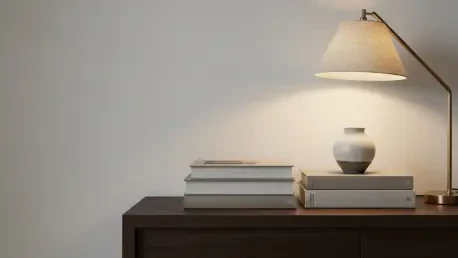
A truly sophisticated space achieves depth not just by adding objects, but by orchestrating a compelling dialogue between different materials. The visual appeal of a piece like a metal-based lamp with a linen shade comes less from its shape and more from the inherent contrast between its components—the cool, reflective quality of the metal against the soft, light-diffusing nature of the linen. This intentional combination of materials that behave differently in light and to the touch creates a subtle but powerful tension. New York-based designer Madelynn Hudson advises to “combine materials with intention,” recognizing that “stone, metal, wood, glass, and textiles each bring something unique.” By thoughtfully balancing warm materials like wood and wool with cooler ones like stone and steel, designers generate a dynamic interplay that elevates the entire composition, making the space feel more curated and complex.
This material-first approach is particularly vital in spaces where textiles are less prevalent, such as kitchens and bathrooms. In these functional areas, the contrast between finishes does the heavy lifting in creating visual depth and interest. Jess Weeth of Weeth Home notes, “This is a great way to add depth in bathrooms and kitchens where you have fewer textiles to lean on.” Instead of adhering to a single metallic finish, for example, a designer might pair antique brass with black iron or mix unlacquered brass with polished nickel. This practice moves beyond simple matching to create a sophisticated and layered material palette. It gives designers permission to abandon outdated rules about uniform finishes, instead focusing on creating complementary combinations that add character and a sense of curated evolution to even the most utilitarian rooms.
4. Differentiating the Lighting
One of the most common design pitfalls is relying on a single, central light source, which often results in harsh, flat illumination. A layered lighting plan is essential for creating ambiance, defining zones, and providing functional versatility. Jess Weeth explains, “Layering lighting is so critical to a warm and inviting space.” While ceiling fixtures provide general ambient light, it is the secondary and tertiary layers—sconces, table lamps, floor lamps, and art lighting—that truly transform a room from “good to amazing.” A well-designed lighting scheme incorporates multiple sources that can be controlled independently, allowing the mood of the room to be adjusted for different times of day and different activities. This approach gives a space functional range, ensuring it is as well-suited for a quiet evening as it is for entertaining a crowd.
Beyond general illumination, the most nuanced layer of lighting involves the strategic use of accent lights to create focal points and drama. A significant work of art, a unique sculptural object, or a compelling architectural detail should be treated as a hero piece, deserving of its own dedicated light source. This not only draws attention to the feature but also introduces shadows and highlights that add significant dimension to the room. As Weeth cautions, it is important to “make sure you are lighting walls and key pieces in the space, not just the floor, as rows of recessed lights tend to do.” By thoughtfully illuminating vertical surfaces and important objects, designers create a more immersive and visually interesting environment, guiding the eye through the space and crafting a rich, multi-dimensional experience.
5. Playing With Shape and Scale
A room where every piece of furniture adheres to a similar shape, such as all rectilinear forms, can feel static and monotonous. Conversely, a space filled exclusively with soft, curved forms may lack structure and definition. The key to a dynamic interior is the intentional friction created by mixing different silhouettes. “Pair curvy forms with linear ones, or slender pieces with weightier ones,” advises Madelynn Hudson. “Variation in shape creates visual movement and keeps the room from feeling static.” This juxtaposition keeps the eye engaged, creating a visual rhythm that flows through the space. A sculptural, rounded armchair placed next to a clean-lined sofa, for example, allows each piece to highlight the unique qualities of the other, resulting in a composition that is far more interesting than the sum of its parts.
Just as critical as shape is the masterful handling of scale, which refers to the relative size of objects within a room. Mixing large-scale pieces with smaller, more delicate ones is essential to avoid a room that feels either stiffly formal or cluttered. “Mixing large-scale pieces with smaller ones keeps things from feeling stiff or overly symmetrical,” adds Cheryl Stauffer of Crimson Design Group. The process is strategic: designers typically “always place the biggest pieces first.” Once these foundational, anchor pieces are set, smaller items like side tables, lamps, and accessories can be added to fill in the composition. This hierarchical approach ensures a sense of balance and order, creating a visually pleasing landscape of varying heights and volumes that feels both intentional and effortlessly composed.
6. Mixing High With Low
The art of blending high-end investment pieces with more accessible, everyday items is a hallmark of sophisticated and approachable design. Much like in fashion, where a designer handbag might be paired with a simple t-shirt, this interior design strategy creates a room that feels interesting and authentic rather than precious or ostentatious. The intrigue arises not from the price tag of any single item, but from the skillful curation of the collection as a whole. As Dan Mazzarini, principal at Mazzarini & Co., notes, “A French Deco table can sit next to affordable textiles from IKEA or World Market. It’s the mixture that makes the room interesting.” This approach allows for a more personal and less formulaic space, where the value of an object is determined by its contribution to the overall design rather than its cost.
This high-low strategy yields significant aesthetic benefits. Placing an affordable decorative object on a fine antique console can elevate the accessible piece, making it appear more considered and unique. Simultaneously, it makes the high-end item feel more integrated into a real, livable home, stripping it of any showroom-like stiffness. This method demonstrates that exceptional design is not contingent on an unlimited budget but on a discerning eye and a confident curatorial hand. It fosters a more sustainable and creative approach to decorating, encouraging the celebration of a beautiful form or a compelling texture regardless of its provenance and proving that a dynamic, layered room is achievable through thoughtful selection across a spectrum of price points.
7. Balancing Old With New
A space composed entirely of brand-new furnishings can often feel sterile and lacking in character, resembling a catalog spread more than a personal home. To create a sense of history and soul, designers expertly mix pieces from different eras. This juxtaposition of old and new introduces patina, narrative, and a timeless quality that cannot be achieved with contemporary items alone. “One of the best ways to create patina is by mixing pieces from different eras,” shares Lauren Carlucci. “I’m always drawn to pairing something contemporary with something that feels worn, handmade, or inherited. It brings a sense of story to a space and prevents it from feeling stale.” This dialogue between past and present is what gives a room its unique personality and a feeling of having evolved naturally over time.
The power of this technique lies in the way contrasting styles sharpen and enhance one another. As Jess Weeth agrees, “All of my favorite rooms mix up the period and style of these accent pieces, and it makes it feel so much more special.” Placing a sleek, modern sofa next to a weathered antique side table, for instance, highlights the clean lines of the new piece while celebrating the rich history of the old. Similarly, hanging bold, contemporary art above a vintage chest of drawers gives the artwork a grounding context and breathes new life into the traditional furniture. This thoughtful integration of different periods ensures that a room feels neither dated nor trend-driven, but rather carefully collected and deeply rooted.
8. Leveraging Literature
While often viewed as simple accessories, books can serve as a surprisingly effective and versatile tool for building layers within a room. Designers frequently use literature as a foundational element when styling surfaces like coffee tables, bookshelves, and consoles, leveraging their inherent color, texture, and scale. Cheryl Stauffer explains her process: “Books are one of my favorite tools… I start with a lot of them. Sometimes all the same color, sometimes two or three colors, mixing large coffee table books with smaller ones. Then I fill in from there.” This approach transforms books from passive objects into active design components, using them to create height, introduce a specific color story, or provide a stable base for smaller decorative items.
The technique involves more than just stacking a few volumes; it is a considered act of composition. The color of the spines can be used to either complement or contrast with the room’s palette. The scale can be varied by mixing oversized art books with smaller novels to create a more dynamic visual rhythm. In this context, each book becomes another distinct layer in the room’s visual narrative. They can ground a vignette, add intellectual depth, and offer a personal touch that speaks to the inhabitants’ interests. By treating books as a strategic layering element, designers can add a rich dimension of storytelling and aesthetic interest to almost any surface in a home.
9. Using Pleats and Skirts
Certain furniture pieces can introduce a sense of layering intrinsically, offering built-in volume, softness, and texture without the need for additional throws or pillows. The re-emergence of pleated and skirted furniture provides a powerful way to incorporate this pre-layered effect. A skirted armchair or a vanity with a shirred fabric detail immediately injects a layer of softness that can counteract the hard lines of surrounding architecture and case goods. “Pleats and shirred skirts have really seen a resurgence, and I love layering different scales and constructions for a full but varied look,” explains designer Jess Weeth. These fabric details function as an integral layer, establishing a specific mood—be it traditional, romantic, or relaxed—from the moment they enter the space.
The versatility of this technique makes it a valuable tool for designers. A tailored box-pleated sofa skirt can bring a structured yet soft feel, while a more loosely gathered, shirred fabric on a slipper chair can evoke a sense of casual elegance. As Weeth notes, these elements “can bring an entire mood to a space, even when the color story may be more simple.” The texture and movement of the fabric provide significant visual interest, adding a layer of complexity to the overall design. Furthermore, this approach offers an accessible way to refresh an existing piece. Adding a custom skirt or slipcover can completely transform the character of a chair or sofa, allowing for a significant stylistic update without the need for a full furniture replacement.
10. Making it Personal
The final and most meaningful layer is the one that transforms a well-designed house into a deeply personal home. This layer is rarely achieved all at once; it is the product of time and experience, an accumulation of objects that tell the story of the people who live there. This includes art, ceramics, books, and collected items from travels, gifts from loved ones, and heirlooms passed down through generations. These pieces may not conform to a specific style or color palette, but their emotional weight is what gives a room its soul and authenticity. This is the layer that cannot be bought or planned in a single shopping trip; it must be cultivated.
This ultimate layer is, by its nature, permissive. It creates space for the objects that hold personal significance, allowing them to coexist with more deliberately chosen design elements. As Madelynn Hudson suggests, the goal is to “finish with the subtle, personal details… These are often the lightest touches but carry the most emotional weight.” A framed photograph, a child’s drawing, or a treasured vase can carry more impact than any expensive statement piece. It is this infusion of personal history that makes a space feel genuinely lived-in and expressive. This ongoing process of collecting and curating is what ultimately completes the layering process, ensuring the home is a true reflection of its inhabitants.
The Art of Intentional Accumulation
In the end, the principle was never about simply adding more things for the sake of fullness. It was, instead, a disciplined practice of making a series of deliberate choices that together built a room’s complexity, character, and narrative. The most successful spaces were those founded on a strong, considered base, upon which a thoughtful mix of contrasting materials and textures was carefully placed. The interplay of different shapes and the strategic variation in scale provided the visual rhythm that kept the eye engaged and delighted. The past was honored alongside the present, and lighting was sculpted to create mood and highlight beauty. Through these methods, a space transcended mere decoration. The process was one of intentional accumulation, where each piece, whether a grand sofa or a small, cherished book, contributed to a story. The rooms that resonated most deeply were those that revealed themselves over time, reflecting a life lived rather than a project swiftly completed, and it was this thoughtful evolution that ultimately created true depth.