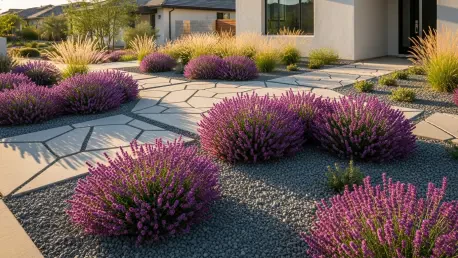

Residential outdoor spaces in semi-arid environments are currently undergoing a significant transformation as homeowners move away from traditional, water-intensive aesthetic standards. The arrival of spring often triggers an instinctive urge to saturate lawns and gardens with water, yet this reactive approach frequently ignores the underlying ecological realities of limited snowpack and fluctuating reservoir levels. Mastering a sustainable landscape requires more than just a change in watering schedules; it demands a fundamental shift in how property owners perceive the relationship between their immediate environment and the broader regional climate. By adopting a proactive framework that prioritizes technical efficiency and climate-appropriate design, individuals can create resilient outdoor living areas that thrive without placing an undue burden on local water resources. This evolution represents a departure from the “green at any cost” mentality, favoring a more sophisticated and balanced approach to modern land management.
The shift toward sustainability is often hindered by the psychological barrier of thinking that individual conservation efforts are too small to make a meaningful difference on a macro scale. However, when technical education is combined with a shift toward “Localscaping,” the cumulative impact on regional water security becomes substantial. This methodology emphasizes the use of plants that are naturally adapted to the specific soil chemistry and weather patterns of the high-desert or semi-arid landscape. By moving away from wall-to-wall turfgrass and toward a functional design model, residents can reduce their reliance on artificial irrigation while maintaining the cooling and aesthetic benefits of a healthy yard. The transition from a high-maintenance lawn to a diverse, drought-tolerant ecosystem is a gradual process that begins with a strategic evaluation of the property’s current layout and the mechanical performance of its existing infrastructure.
Managing Resources and Mechanical Efficiency
Strategizing Water Usage and Patience
Exercising restraint during the initial weeks of spring is one of the most effective yet overlooked strategies for long-term water conservation. Many property owners mistakenly equate rising air temperatures in March or April with an immediate need for supplemental irrigation, often activating their sprinkler systems while the ground is still naturally moist from winter runoff. In reality, most established lawns and perennial plants possess enough internal resilience to remain healthy without additional watering until late May or even early June, depending on local precipitation levels. By delaying the start of the irrigation season, homeowners allow plants to develop deeper, more robust root systems as they seek out moisture further down in the soil profile. This early-season patience preserves vital reservoir supplies for the scorching mid-summer months when evaporation rates are highest and the demand for water reaches its absolute peak across the community.
The decision to keep the irrigation controller turned off during the early spring is not merely about saving money; it is a strategic management choice that benefits plant health. When grass is pampered with frequent, shallow watering early in the year, it becomes “lazy,” developing a weak root structure that is susceptible to heat stress once the temperature truly soars. Professional water managers suggest that homeowners should monitor their plants for actual signs of stress—such as a slight change in color or blades that do not bounce back when stepped on—rather than following a calendar-based schedule. This observant approach ensures that water is applied only when necessary, fostering a landscape that is naturally more capable of withstanding the inevitable dry spells of the summer. Shifting the mindset from a rigid schedule to a responsive, needs-based system is a hallmark of a truly mastered sustainable landscape.
Maximizing Irrigation System Performance
Technical optimization serves as a critical pillar of a sustainable yard because a staggering amount of water waste is the result of mechanical inefficiency rather than a lack of intent. One of the most practical diagnostic tools available to the homeowner is the “Catch Can Test,” which involves placing small containers across a lawn to measure the uniformity of water distribution. This simple test often reveals significant discrepancies, showing that some areas might be drowning in excess water while others remain bone dry due to poor sprinkler head spacing or clogged nozzles. By identifying these “dry spots” and “flooded zones,” property owners can make precise adjustments to their sprinkler run times or replace malfunctioning equipment, ensuring that every gallon of water is used effectively. Correcting these hidden mechanical failures is often the fastest way to achieve significant water savings without sacrificing the appearance of the landscape.
Beyond the immediate mechanics of the pipes and nozzles, the health of the soil and the height of the turf play a vital role in maximizing the performance of any irrigation system. Compacted soil prevents water from penetrating the root zone, leading to wasteful runoff that ends up in the street or gutter rather than nourishing the plants. Regularly aerating the lawn allows oxygen and moisture to reach the roots more efficiently, while maintaining a higher mowing height—typically three to four inches—provides shade for the soil surface. This shade reduces evaporation and keeps the root zone cooler, allowing the grass to stay green with less frequent watering. When mechanical precision is combined with these cultural practices, the entire irrigation system operates at a higher level of efficiency, proving that technical maintenance is just as important as the choice of plants in a sustainable outdoor space.
Redesigning the Landscape for Sustainability
Evaluating and Reducing Ornamental Turf
The traditional model of a sprawling, wall-to-wall green lawn is increasingly being scrutinized as homeowners evaluate the actual functionality of their outdoor spaces. While turfgrass provides an excellent surface for recreation and play, large portions of many residential yards are purely ornamental, serving no purpose other than to be mowed and watered. Identifying these underutilized areas is a key step in the transition toward a more sustainable property layout. For instance, steep slopes, narrow side yards, and park strips are notoriously difficult to water efficiently and are rarely used for physical activity. By replacing these specific sections of turf with drought-tolerant groundcovers, mulch, or climate-adapted shrubs, homeowners can drastically reduce their total water consumption. These alternatives still provide essential cooling benefits through transpiration but require only a fraction of the maintenance and resources needed by traditional sod.
Replacing turf does not mean abandoning the “green” look of a yard; rather, it involves diversifying the plant palette to include species that are better suited for the local environment. Perennials, native grasses, and hardy shrubs can create a lush, multi-layered aesthetic that changes beautifully with the seasons, offering more visual interest than a monoculture of grass. These plants are often more resistant to local pests and diseases, reducing the need for chemical fertilizers and pesticides that can harm the local ecosystem. The process of reducing ornamental turf can be tackled in manageable stages, such as converting one small section of the yard per year. This phased approach allows the homeowner to experiment with different plant varieties and mulch types without becoming overwhelmed by a massive landscaping project. Over time, these incremental changes lead to a significant reduction in the property’s environmental footprint.
Implementing the Localscapes Methodology
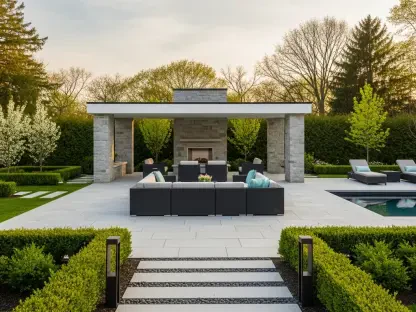
The “Localscapes” design philosophy offers a structured, “lawn-last” approach to landscaping that prioritizes functionality and environmental harmony. Instead of starting with a blank canvas of grass and trying to fit other features around it, this methodology encourages homeowners to define their primary functional areas first—such as patios, walkways, fire pits, and vegetable gardens. Once these hardscaped or high-activity zones are established, the remaining space is filled with planting beds and, finally, a small, central portion of turf if it is truly needed. This design strategy naturally limits the amount of high-water-use grass to a size that is actually useful, while also simplifying the layout of irrigation zones. By grouping plants with similar water needs together, a practice known as hydrozoning, the irrigation system can be programmed much more accurately, preventing the overwatering of drought-tolerant species.
Implementing this methodology ensures that the selected plants are those that will naturally flourish in the local alkaline soils and survive extreme temperature fluctuations without constant human intervention. Localscaping focuses on using the right plant in the right place, which minimizes the labor required for pruning, weeding, and pest control. For example, planting a shade tree on the western side of a patio can naturally cool the outdoor living space, reducing the need for artificial cooling and creating a more comfortable microclimate. This thoughtful arrangement of elements transforms the yard into a self-sustaining ecosystem that works with nature rather than against it. By following this intentional design process, property owners create landscapes that are not only beautiful and functional but also resilient enough to thrive in the face of changing climate conditions and potential water restrictions.
Utilizing Community Support and Education
Accessing Financial Incentives and Rebates
Transitioning to a sustainable landscape often involves an initial investment in new plants, materials, and smart technology, but many local municipalities and water districts offer robust financial incentives to help offset these costs. Homeowners can frequently take advantage of “cash for grass” programs, which provide a per-square-foot rebate for the removal of water-intensive turfgrass in favor of drought-tolerant landscaping. Additionally, rebates are often available for the purchase of smart irrigation controllers, which use real-time weather data and soil moisture sensors to adjust watering schedules automatically. These devices are far more effective than traditional timers, as they prevent the system from running during rainstorms or when the ground is already sufficiently saturated. By tapping into these community resources, residents can lower the financial barrier to entry and accelerate the timeline for their property’s ecological makeover.
The availability of these incentives reflects a growing recognition by local governments that residential water conservation is a critical component of long-term urban planning. Beyond direct cash rebates, some districts provide free mulch, compost, or even “landscape kits” that include a pre-planned selection of native plants designed to thrive in the local area. These programs are designed to take the guesswork out of sustainable landscaping, making it easier for individuals who may not have extensive horticultural knowledge to make impactful changes. Navigating the application process for these incentives is typically straightforward, often requiring only a simple audit or a set of “before and after” photos. Utilizing these public funds is a savvy way for homeowners to invest in the long-term value and resilience of their property while contributing to the overall water security of their region.
Learning Through Public Outreach and Gardens
Education serves as the final, essential component of a successful spring landscape strategy, as knowledge empowers homeowners to make informed decisions about their outdoor environments. Many conservation districts and botanical gardens offer a wide range of free classes and workshops that cover everything from basic soil science and pruning techniques to comprehensive landscape design. These educational opportunities allow residents to interact with local experts and ask specific questions about the challenges they face in their own yards. Understanding the nuances of how different plants interact with the local soil and climate can prevent costly mistakes, such as planting a species that will eventually outgrow its space or succumb to winter frost. By investing time in learning the fundamentals of sustainable gardening, property owners gain the confidence needed to manage their landscapes independently and effectively.
Furthermore, visiting local demonstration gardens provides an invaluable visual resource for anyone looking to redesign their outdoor space. These public facilities serve as living catalogs, showcasing a diverse array of native and climate-adapted plants in a matured, professionally maintained setting. Visitors can see firsthand how different colors, textures, and heights work together, and many gardens provide metered data to show exactly how much water each section consumes. This transparency helps demystify the concept of drought-tolerant landscaping, proving that a water-wise yard can be just as lush and inviting as a traditional lawn. Seeing these resilient landscapes in person often provides the necessary inspiration to move forward with a project. By combining the practical skills learned in classes with the visual examples found in demonstration gardens, homeowners are well-equipped to master the art of sustainable landscaping.
A sustainable approach to spring landscaping was achieved by moving beyond simple maintenance and embracing the principles of technical optimization and intentional design. Property owners who prioritized irrigation efficiency and turf reduction successfully created resilient outdoor spaces that remained vibrant even during periods of limited water availability. The transition toward a “lawn-last” philosophy, supported by local rebates and educational resources, allowed for the development of diverse ecosystems that required significantly less human intervention. These proactive measures ensured that residential yards functioned as assets to the local environment rather than as a drain on critical water supplies. Moving forward, the continued integration of smart technology and climate-appropriate plant selections will remain the standard for responsible land management in semi-arid regions. By treating the landscape as an evolving part of the regional ecology, homeowners solidified their commitment to long-term environmental sustainability and regional water security.