
Long associated with stark, cold, and intimidating interiors, the color black is undergoing a sophisticated renaissance that is completely reshaping its role in modern home design. A burgeoning trend is revealing how specific shades of black, infused with warm undertones of brown, red, or yellow, can introduce a surprising sense of coziness and depth into a living space. This evolution moves beyond the dramatic and theatrical, offering a way to create environments that are both dramatic and deeply comforting. By rethinking black not as an accent of last resort but as a foundational, modern neutral, designers are unlocking its potential to craft rooms that feel simultaneously elegant, inviting, and timelessly chic.
The Psychological Shift to Softer Shades
The current embrace of warmer black tones signals a significant departure from the flat, blue-based blacks that dominated industrial and minimalist aesthetics of the past. Design professionals are consciously moving away from these cooler shades, which are often perceived as harsh and unforgiving within a residential setting. The focus has shifted toward complex hues that evoke the richness of natural and comforting elements, such as dark roast coffee, rich cocoa, or sweet molasses. These deep, brown-toned blacks possess the same powerful grounding effect as their cooler counterparts but are described as feeling far more generous and adaptable. They hold shadows in a noticeably softer and more appealing manner, imbuing a space with a lived-in, versatile, and much more inviting character despite their inherent boldness. This subtle but crucial difference transforms black from a color that dictates a room’s mood to one that gently enhances it.
This aesthetic preference is deeply intertwined with the principles of color psychology, as warm blacks cater to a fundamental human desire for spaces that feel both sophisticated and secure. These particular shades are characterized by an earthy softness that is inherently grounding and reassuring, creating an atmosphere that feels intimate, warm, and enveloping. The psychological effect is to turn a room into a personal sanctuary, a place of quiet refuge. This approach allows black to function almost as a modern neutral, providing an elegant and timeless backdrop that enhances other materials and colors without overwhelming the space. Its inherent warmth allows it to pair beautifully with a wide array of other warm tones and natural textures, from terracotta and dark wood to burnished metals, fostering a cohesive and harmonious environment that feels both curated and comfortable.
Strategies for Integrating Warm Black
One of the most effective applications of this trend involves painting the walls of an entire room, such as a dining space or a den, in a warm black hue to create a sophisticated, wrap-around feeling that is both dramatic and exceptionally cozy. When paired with complementary elements, like a deep chocolate brown ceiling, the combination makes a space feel like a “warm embrace,” proving that these shades can carry significant visual weight without feeling cold or imposing. This immersive technique is ideal for creating intimate settings perfect for hosting and entertaining. The choice of paint is critical, with designer-favorite shades like Sherwin-Williams’ Urbane Bronze standing out as a “super dramatic hue” that distinguishes a room “without feeling like you’re in a stark black hole.” Its success lies in its prominent brown undertone, which lends it a natural, comfortable quality and makes it highly complementary to other warm elements, such as terracotta flooring, ensuring the dark color remains livable and balanced.
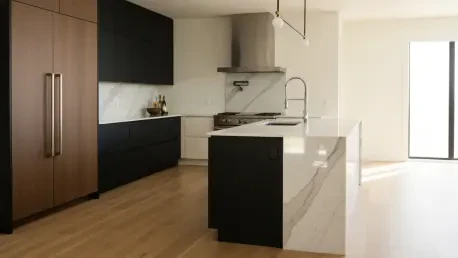
Beyond creating moody living spaces, warm black offers a powerful way to ground the heart of the home and elevate the kitchen beyond conventional whites and beiges. Using a complex black with brown and violet tones, like Benjamin Moore’s Midsummer Night, on cabinetry anchors the room with effortless sophistication. This application can support a home’s original bold, graphic architecture, creating a simple yet impactful palette of dark brown-black, warm white, and natural wood. For those who find solid black walls too intense, a patterned wallcovering in a warm black tone presents a more nuanced approach. This method breaks up the solid color while still introducing its richness and depth. For instance, in a primary bedroom, a warm black wallpaper can provide a cohesive backdrop for unique furnishings like Art Deco antiques, adding valuable dimension to the space without overpowering it, especially when layering different wallcoverings to enhance the room’s character.
Accessible Applications Through Furnishings and Decor
An accessible and highly practical way to embrace the trend is through furniture upholstery and finishes, which avoids the commitment of painting. An espresso-colored sofa, for instance, serves as a rich, modern alternative to ubiquitous light neutrals, adding instant depth to a living room. The tactile quality of fabrics like charcoal velvet further ensures the dark color avoids feeling stark, instead adding a layer of texture and comfort. Design firms frequently use espresso finishes on wood, dark woods with subtle red undertones, and burnished bronze metals to “create depth without feeling graphic or cold.” This strategy layers a sense of relaxed sophistication into a room’s lighter palette, proving that even a single statement piece can effectively introduce the warmth and elegance of this trend without requiring a complete design overhaul. These larger, yet movable, items provide flexibility while making a significant impact.
For a more subtle take on the trend, warm black can be incorporated on a smaller scale through carefully selected decor. This low-commitment approach allows for experimentation by using accessories to add pops of richness and depth throughout a home. Items such as dark brown ceramic table lamps, wooden stools with an espresso finish, linen pillows in moody hues, or even gingham tablecloths in deep, warm shades can bring a refined and cohesive feel to any room. These smaller pieces work together to build a layered and sophisticated aesthetic, introducing the grounding quality of warm black without overwhelming the existing decor. This method is an excellent way to test the waters, allowing homeowners to appreciate the color’s inviting nature before committing to more permanent applications like paint or large-scale furniture.
A New Chapter for a Classic Color
Ultimately, the rise of the warm black color trend represented a sophisticated evolution in the use of dark colors in interior design. By prioritizing shades with warm undertones, designers successfully transformed black from a color of stark drama into one of inviting depth, comfort, and timeless elegance. The movement demonstrated that drama and livability were not mutually exclusive concepts. Whether applied broadly across walls and cabinetry or integrated subtly through furniture and decor, warm black proved to be an endlessly chic and surprisingly approachable choice for the modern home. This shift redefined a classic color, opening new possibilities for creating personal and enveloping spaces that felt both luxurious and genuinely welcoming.