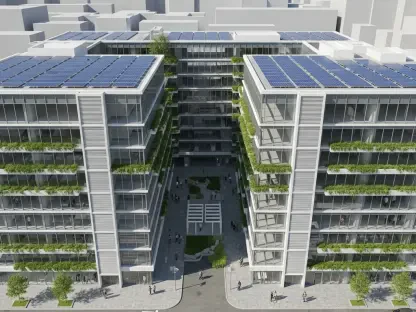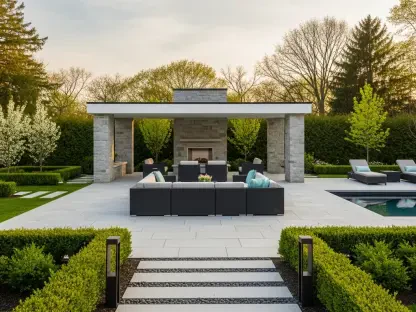

In a world grappling with environmental crises and a desire for deeper human connection, the fields of architecture and interior design stand at a critical juncture, tasked with creating spaces that are not only aesthetically pleasing but also responsible, meaningful, and deeply contextual. A collection of four new monographs from some of Australia’s most influential design minds offers a compelling survey of how the nation’s leading practitioners are responding to this global challenge. These volumes, from Flack Studio, Fiona Lynch, Ed Lippmann, and Koichi Takada, collectively map a future where design is intrinsically linked to its environment, whether through the intimate, tactile experience of an interior or the broad, civic-minded vision of a public landmark. While their methodologies differ, a shared philosophy emerges: a commitment to creating built environments that are profoundly considerate of their material, ecological, and social contexts, signaling a mature and increasingly influential voice for Australian design on the international stage.
The Tangible and the Visionary in Practice
A profound engagement with materiality and sensory experience unites the work of the country’s leading interior designers, who are pushing the boundaries of what it means to inhabit a space. This is vividly illustrated in “Flack Studio: Interiors,” the first major publication from David Flack, published by Rizzoli. The book delves into the firm’s celebrated creative process, which champions an adventurous and richly layered application of color, texture, and materials to craft emotionally resonant environments. Showcasing 13 distinct projects, from the vibrant public spaces of the Ace Hotel in Sydney to a thoughtfully curated residence for musician Troye Sivan, the monograph reveals a practice that is both bold and deeply personal. In a similar vein, “Material Wonder: The Interiors of Fiona Lynch,” published by Thames and Hudson, commemorates two decades of her influential practice. Lynch’s work is defined by what she terms “spirited minimalism meets atmospheric potency,” a philosophy grounded in an experimental and sophisticated use of natural materials and artisanal craftsmanship. Her monograph explores this ethos in detail, presenting a portfolio that prioritizes texture and atmosphere to create spaces that feel both minimalist and warm, showcasing a quieter but no less powerful approach to materiality.
In contrast to the interior-focused exploration of immediate sensory experience, the architectural monographs present broader, more philosophical visions for the role of building in society and nature. Ed Lippmann’s self-published retrospective, “Lippmann 1985–2025: 40 Years of Architecture,” serves as a comprehensive chronicle of an enduring career dedicated to architecture as a fundamentally civic and humanist act. The volume charts the evolution of his practice, underscoring a consistent engagement with site, climate, and social responsibility. Featuring iconic public landmarks such as the Andrew “Boy” Charlton Pool, the book stands as a testament to a design philosophy that prioritizes long-term public good and timeless principles. Juxtaposed against this historical reflection is Koichi Takada’s forward-looking “Naturalising Architecture,” released by Rizzoli. This work articulates a clear and urgent mission: to actively reconnect the built environment with the natural world. Takada’s global portfolio features groundbreaking projects that directly address pressing ecological constraints, from the climate-positive Sunflower House in Italy to Melbourne’s carbon-neutral Landmark by Lexus pavilion, offering a powerful vision for a future where architecture works in harmony with, rather than in opposition to, nature.
A Collective Statement on Context and Influence
Ultimately, the release of these four distinct yet philosophically aligned monographs presented a powerful and unified statement about the trajectory of contemporary Australian design. What emerged from their pages was not a singular style but a shared dedication to context in all its forms. The tactile, atmospheric interiors crafted by Flack and Lynch demonstrated a deep consideration for the human, sensory context of a space, while the site-specific and ecologically integrated architecture of Lippmann and Takada revealed a profound respect for the civic and natural context of a building. The significant involvement of major international publishers like Rizzoli and Thames and Hudson, coupled with the global scope of the projects themselves, underscored a pivotal moment. It confirmed that Australian design had transcended its regional identity, evolving into a globally recognized force capable of contributing vital perspectives and innovative solutions to the universal challenges facing the built environment.