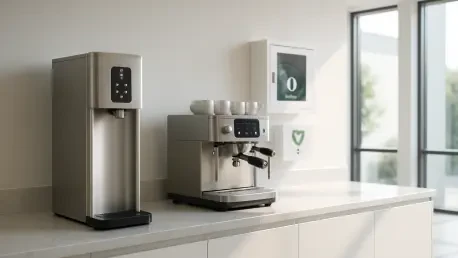

The modern professional landscape has reached a pivotal junction where the architectural blueprint of an office must serve as more than a static backdrop for corporate operations. As organizations navigate the complexities of 2026, the transition toward human-centric design has evolved from a progressive trend into a fundamental operational requirement for attracting and retaining top-tier talent. This philosophy posits that the physical environment is a primary driver of psychological safety and physiological health, necessitating a move away from cold, utilitarian cubicles toward spaces that actively nourish the workforce. Facility managers now recognize that when the built environment addresses the nuanced needs of the human body and mind, the resulting dividends in productivity and employee loyalty far outweigh the initial capital expenditures. This evolution marks a departure from historical office management styles, replacing rigid standardization with a sophisticated blend of wellness-oriented infrastructure and highly adaptable amenities.
Prioritizing Health and Emergency Readiness
Safety Systems: The Foundation of Workplace Trust
The integration of advanced medical response technology into the communal office fabric represents a critical step in establishing a truly human-centric environment. Contemporary safety solutions, such as the SupplyLand AED Cabinet, demonstrate a shift toward centralized emergency hubs that go beyond the basic requirements of fire codes and safety regulations. These dual-compartment units are engineered for high-visibility and strategic placement in high-traffic zones like breakrooms or lobbies, ensuring that life-saving interventions are never more than a few seconds away. By housing an Automated External Defibrillator alongside comprehensive kits for bleeding control, overdose response, and severe allergic reactions, these cabinets transform a facility into a proactive medical safeguard. The durable, powder-coated steel construction and integrated alarm systems provide both a psychological sense of security and a practical, organized resource that eliminates chaos during high-stress medical events.
A robust commitment to safety serves as a tangible expression of an organization’s values, reinforcing the idea that the individual’s life is prioritized over all other business functions. When employees see high-quality, specialized emergency equipment integrated into their daily surroundings, it fosters a deeper sense of belonging and trust in the management’s duty of care. This approach is particularly effective in large-scale institutional settings where the distance to professional medical help can be a factor in critical outcomes. Furthermore, the design of these hubs—featuring sloped tops to prevent the accumulation of clutter—ensures that the equipment remains unobstructed and ready for immediate deployment. This level of intentionality in facility management demonstrates that safety is not merely a box to be checked but a living part of the corporate culture that adapts to the evolving health risks present in modern society.
Advanced Hydration: Sustainable Wellness Technology
Reliable access to purified water is the bedrock of cognitive performance, yet the modern office must now look beyond the traditional water cooler to address sophisticated health concerns. The implementation of high-performance filtration systems, such as the Hydr8 Flowater Refill Station, addresses the rising awareness of environmental contaminants like PFAS, microplastics, and lead that are frequently found in municipal supplies. By utilizing a rigorous seven-stage purification process, including advanced osmosis membranes that filter at a 0.0001-micron level, facilities can offer a product that is cleaner and safer than bottled alternatives. This technology does not just remove the bad; it actively enhances the good by reintroducing essential minerals like magnesium and potassium to balance the pH level. Such functional hydration supports metabolic health and sustained concentration, which are often compromised by the dehydrating effects of conditioned office air and repetitive cognitive tasks.
The shift toward these advanced hydration stations also serves a secondary, equally vital role in achieving corporate sustainability targets by drastically reducing reliance on single-use plastics. For facility managers, the maintenance of these systems is streamlined through automated ozone-based sanitation, which prevents the buildup of biofilm without the need for harsh chemical cleaners. This intersection of personal health and ecological responsibility resonates strongly with a workforce that increasingly demands alignment between their personal values and their professional environment. Providing mineral-rich, chilled water through a touchless interface not only promotes physical vitality but also creates a shared point of interaction that encourages employees to step away from their screens and move throughout the day. This simple yet profound investment transforms a basic human necessity into a premium wellness amenity that reinforces the office as a space designed for human thriving.
Elevating the Social and Functional Environment
Professional Beverage Systems: Crafting Hospitality Experiences
The contemporary office breakroom has undergone a radical transformation, shedding its identity as a neglected utility corner to become a sophisticated hospitality hub. By integrating professional-grade equipment like the BUNN Infusion Series Platinum Pro, organizations can offer a diverse beverage program that rivals the high-end cafes employees frequent during their commutes. This system’s ability to manage multiple recipes—ranging from nitrogen-infused cold brew to artisanal hot teas—allows it to cater to a diverse multi-generational workforce with varying taste preferences. Precise temperature controls and electronic funnel locks ensure that every cup meets a rigorous standard of quality, removing the frustration often associated with inconsistent office coffee. For the facility manager, the inclusion of remote monitoring technology allows for predictive maintenance, ensuring that the service remains uninterrupted during the peak morning hours when it is needed most.
Furthermore, the rise of specialty coffee culture has led to the adoption of automated milk-frothing technologies, such as the Rancilio Group iSteam Pro, which brings barista-level precision to the workplace. This technology is particularly relevant in a modern context where plant-based alternatives are as common as dairy, requiring specialized steam profiles to achieve the perfect texture for lattes and cappuccinos. By automating these complex tasks through a user-friendly touchscreen interface, the office provides a luxury experience that requires no specialized training for the staff to operate. This focus on premium beverage service acts as a powerful social lubricant, creating a “third space” within the office walls where spontaneous collaboration and informal mentorship can flourish. When an organization invests in the quality of these daily rituals, it signals to the workforce that their comfort and social well-being are valued components of the overall business strategy.
Spatial Versatility: The Power of Modular Furniture
The demand for a flexible physical environment has never been greater, as the modern workday often requires a seamless transition between solitary focus and high-energy group collaboration. Furniture systems like the Herman Miller Everywhere Tables address this need through a modular “shared kit of parts” philosophy that allows for rapid reconfiguration without sacrificing aesthetic continuity. Whether a room needs to be set up for a formal board meeting, a large-scale training session, or a communal dining event, these tables can be rearranged by the users themselves to suit the task at hand. The inclusion of mobile casters and ganging mechanisms ensures that the physical layout of the office remains as agile as the teams working within it. This adaptability prevents the environment from becoming a bottleneck to productivity, allowing the space to expand or contract based on real-time organizational needs.
Beyond the practical utility of moving tables, the visual consistency of such modular systems plays a significant role in maintaining a professional and cohesive brand identity across various zones. When every area of the office—from the private workstations to the open-plan lounge—shares a unified design language, it creates a sense of order and purpose that calms the psychological state of the inhabitants. This spatial flexibility also allows facility managers to maximize the utility of every square foot, ensuring that expensive real estate does not sit idle when not in use for its primary function. By providing employees with the agency to control their immediate surroundings, organizations empower them to create the specific conditions they need to succeed. This shift toward user-defined spaces is a hallmark of human-centric design, recognizing that a one-size-fits-all approach to office layout is no longer compatible with the diverse and dynamic nature of modern professional work.
Integrating Amenities for Future Growth
The successful implementation of these five amenities provides a comprehensive framework for organizations looking to modernize their physical infrastructure through 2027 and beyond. By moving away from isolated, single-purpose tools and toward integrated, high-tech solutions, facility managers can create a workplace that is both resilient and highly responsive to human needs. The key takeaway for leadership is that the office must now compete with the comfort of the home and the convenience of the local cafe, necessitating a significant upgrade in the quality of the on-site experience. It is recommended that companies conduct a thorough audit of their current safety protocols, hydration quality, and spatial flexibility to identify the most impactful areas for immediate investment. The goal should be to create a seamless ecosystem where the physical environment anticipates the needs of the employee, rather than forcing the employee to adapt to the limitations of the building.
Looking ahead, the long-term success of a human-centric workplace will depend on the continuous monitoring of how these amenities are used and the subsequent refinement of the facility strategy. Organizations should prioritize systems that offer data-driven insights, such as water usage metrics or beverage machine performance, to ensure that resources are being allocated effectively. Furthermore, as technology continues to evolve, the ability to upgrade modular furniture and software-controlled appliances will be essential for maintaining a state-of-the-art environment. Ultimately, the transition to a human-centric design is not a one-time project but a sustained commitment to the health, safety, and happiness of the workforce. By treating the workplace as a living asset that supports the human element, businesses can foster a culture of excellence that is prepared for any challenges the coming years may bring, ensuring that the office remains the central heart of professional life.