
The tragic residential fire in Hong Kong, which resulted in a devastating loss of life, has sent shockwaves across densely populated cities, prompting a critical re-evaluation of fire safety protocols. In the wake of this catastrophe, which was exacerbated by non-compliant scaffolding mesh and other flammable materials used during renovations, Singapore’s authorities have moved to reassure the public and detail the nation’s own stringent fire safety measures. The Singapore Civil Defence Force (SCDF) and the Ministry of Manpower (MOM) issued a joint clarification on the robust regulations governing construction sites, particularly concerning “hot works” like welding and the management of combustible materials. This response underscores a proactive governance approach, aiming to learn from external tragedies to reinforce an already comprehensive safety framework. The official consensus is clear: while Singapore’s system is designed to prevent such a disaster, the dynamic nature of urban development demands continuous vigilance and a commitment to improvement from regulators, industry professionals, and the public alike. The key question remains not whether regulations exist, but how effectively they are implemented and adapted to evolving risks.
Scrutinizing Construction Site Safeguards
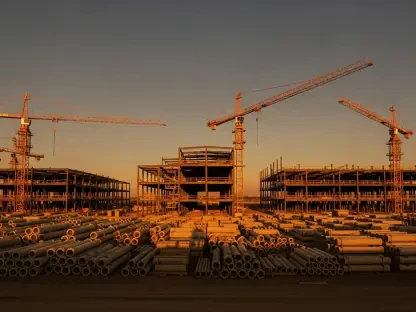
At the heart of Singapore’s construction site fire prevention strategy is a meticulous set of rules governing high-risk activities, often referred to as “hot works.” These procedures, which include welding, cutting, and grinding, are recognized as significant ignition sources and are therefore subject to strict controls. A critical directive stipulates that a minimum separation distance of 3 meters must be maintained between any hot work and combustible materials, such as the screening nets commonly used on scaffolding. This rule is a direct countermeasure to the type of hazard seen in the Wang Fuk Court blaze, where sparks likely ignited flammable mesh. If maintaining this 3-meter buffer is not feasible due to site constraints, the regulations demand an alternative safety layer: the screening nets must be adequately protected with a shield made of non-combustible material. This dual-pronged approach ensures that even in tight working conditions, the risk of accidental ignition is substantially mitigated, reflecting a safety philosophy that prioritizes isolating fuel sources from potential sparks.
The regulatory oversight extends beyond the immediate vicinity of hot works to encompass the overall fire safety integrity of the construction environment. Hoardings, the temporary walls used to separate a worksite from adjacent public areas or occupied parts of a building, are mandated to be constructed from non-combustible materials. This prevents a fire that starts within the construction zone from quickly spreading outwards and endangering the public or residents. Furthermore, the installation of screening nets is carefully managed to ensure they do not compromise the building’s safety systems. Regulations explicitly state that these nets must not obstruct essential ventilation openings or block designated emergency escape routes. This ensures that in the event of a fire, smoke can be properly vented and occupants have a clear path to safety. These measures demonstrate a holistic understanding of fire dynamics, where containment, ventilation, and safe egress are treated as interconnected pillars of a comprehensive site safety plan, designed to protect both workers and the surrounding community.
A Multi-Layered Framework for Building Safety
Singapore’s fire safety strategy is fundamentally built into the very structure of its residential buildings, a concept known as passive fire protection. Long before any construction site is established, architectural designs must incorporate fire-rated walls and floors. These elements are engineered to withstand intense heat for a specific period, creating sealed compartments that effectively contain a fire within the unit where it originated. This principle of compartmentalization is crucial in high-rise, high-density living, as it prevents the rapid vertical and horizontal spread of flames and smoke, giving residents in other units more time to evacuate and firefighters a manageable area to tackle. In addition to internal containment, the materials used on building facades are subject to exceptionally stringent fire-resistance standards. This is a key differentiator from incidents elsewhere, where flammable exterior cladding has been responsible for turning localized fires into catastrophic building-wide infernos. By mandating non-combustible or fire-retardant materials for external walls, Singapore mitigates the risk of a facade fire.
A robust regulatory framework is only as effective as its enforcement, and Singapore employs a multi-layered system of checks and balances to ensure compliance. The responsibility for upholding fire safety standards is distributed among several key stakeholders. Professional engineers and architects are tasked with designing buildings and systems that meet the fire code from the outset. Their plans undergo rigorous scrutiny and require approval from government bodies like the Building and Construction Authority (BCA) before any work can begin. Throughout the construction phase, both the Ministry of Manpower (MOM) and the SCDF conduct regular inspections to verify that approved plans and safety protocols are being strictly followed on-site. This collaborative oversight creates a chain of accountability. Non-compliance is met with significant penalties, which can range from hefty fines to immediate work suspension orders, serving as a powerful deterrent against cutting corners. This stringent enforcement culture ensures that the designed safety features are translated into real-world protection for the building and its future occupants.
Beyond Regulation A Shared Responsibility
In the final analysis, while authorities undertook a detailed study of the Hong Kong incident to identify any potential enhancements for Singapore’s fire safety framework, the dialogue shifted toward the concept of collective ownership. The government’s position underscored that even the most comprehensive regulatory system could not completely eliminate fire risk. It became clear that the responsibility for safety was a shared one, extending from regulators and developers to every individual resident. Emphasis was placed on the crucial role of public vigilance in creating a fire-safe environment. Residents were strongly encouraged to adopt simple yet effective safety practices in their daily lives. These included commonsense measures such as never leaving cooking unattended, avoiding the overloading of electrical outlets, and ensuring that charging devices were not left on flammable surfaces like beds or sofas. Furthermore, a push was made for the voluntary installation of home fire alarm devices, such as smoke detectors, which provided an invaluable early warning system. This approach acknowledged that the ultimate defense against tragedy was a culture of safety, where regulatory strength was complemented by an aware and proactive citizenry.