
Amidst the sleek surfaces and monochromatic palettes that have defined contemporary interiors, a gentle rebellion is taking shape, woven from cotton, linen, and ink. The ancient craft of block printing is experiencing a significant revival, moving beyond its traditional associations to become a versatile and sophisticated element in the modern home. This renewed appreciation stems from a growing desire for authenticity and human connection in our living spaces. The subtle irregularities inherent in each hand-stamped piece—a testament to the artisan’s touch—offer a soulful counterpoint to the perfection of mass-produced goods. These textiles bring not just pattern, but a story and a sense of history, softening sterile environments and infusing them with a quiet, layered personality that feels both timeless and deeply personal. They serve as a bridge between maximalist character and minimalist restraint, proving that warmth and detail can be achieved without clutter.
The Art of Integration: How to Weave Block Prints into Your Home
Start with a Subtle Foundation
One of the most refined methods for incorporating block prints involves designating a single design as the “quiet hero” of a room. This strategy centers on selecting a gentle, often timeworn motif within a restrained color palette and allowing it to serve as the primary pattern, subtly anchoring the entire space. Instead of being a loud focal point, this print functions as a foundational layer, appearing on a large-scale piece such as a bedspread, a collection of sofa cushions, or a single upholstered armchair. The inherent texture and nuance of the hand-printing process imbue the fabric with a depth that enriches the room’s atmosphere without overwhelming the senses. This approach is particularly effective when the block print is juxtaposed with solid-colored fabrics, simple stripes, or natural materials like raw wood and linen, cultivating an environment that feels both relaxed and intentionally curated, blending comfort with understated elegance.
This technique demonstrates that even a minimal application of a thoughtfully chosen print can carry substantial visual weight and define a design scheme. Interior designer Jessica Helgerson, a proponent of this philosophy, has often described block prints as the essential element that “gives life, warmth and visual interest” to otherwise simple spaces. Her work beautifully illustrates this principle; a lone block-printed pillow can introduce a necessary softness to the clean lines of a modern leather sofa, while a Les Indiennes bedspread, with its delicate and slightly imperfect pattern, can become the centerpiece of a bedroom when surrounded by calmer textures and smaller, complementary patterns. The success of the “quiet hero” lies in its ability to add a layer of artisanal charm and visual interest that feels integrated and organic, proving that a single, well-placed element can transform a room from stark to soulful without sacrificing a modern aesthetic.
Master the Art of Pattern Play
For those seeking a more dynamic and layered interior, block prints offer exceptional versatility for pattern mixing. Their handcrafted nature makes them “incredibly sociable patterns,” as described by printmaker Molly Mahon, allowing them to harmonize beautifully with other designs to create a space that feels rich, detailed, and collected over time. A bedroom featuring textiles by Mahon exemplifies this approach, where a Dianthus block-printed headboard and canopy are artfully paired with a Berry block-printed cushion. The success of such combinations hinges on two critical factors: a cohesive color palette that unites the different motifs and a deliberate variation in the scale of the patterns. By maintaining consistency in color—in this case, a palette of blue, red, and cream—the various prints create a rhythmic and balanced composition rather than a chaotic one. The soft edges and organic feel of the hand-printed fabric further prevent the mix from appearing overly formal or rigidly styled.
This inherent ability to layer is deeply rooted in the traditional block printing process itself. Jools Cornell, founder of Pukka Print, designs her collections with this principle in mind, ensuring they can be effortlessly combined. She explains that because each wooden block carries a different color to build the final design, the resulting patterns are naturally nuanced and rich, lending themselves to layering. Collections like the Bagh Collection, which draws inspiration from 17th-century Indian palampores, are thoughtfully created with a mix of scales and motifs. This empowers decorators to confidently combine different pieces from within a range or integrate them with existing textiles in their homes. The outcome is an interior that feels intuitive, lived-in, and gracefully evolved, reflecting a personal style that is both sophisticated and deeply inviting, moving far beyond a showroom aesthetic.
Making a Statement: Bold and Flexible Approaches
Create a Singular, High-Impact Moment
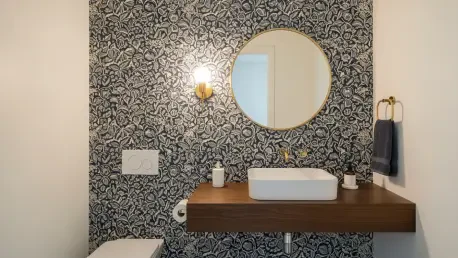
In a compelling contrast to the layered approach, focusing a block print into one deliberate, high-impact application can create a powerful and memorable design statement. Instead of distributing the pattern throughout a room, this technique concentrates it in a single area, allowing the intricacies of the design to be fully seen and appreciated. This method establishes a “moment of pause,” a visual resting point that draws the eye and anchors the space with a burst of artisanal beauty. Effective examples include wallpapering an intimate powder room, creating a striking feature wall within a headboard niche, or upholstering a single, sculptural accent chair in a bold print. Designer Rhiannon Hageman of Hageman Homes & Interiors frequently employs this technique, noting that the handmade quality of block prints imparts a timeless elegance, especially in personal spaces like bedrooms and bathrooms.
This focused strategy ensures that the pattern’s strong visual energy serves as a clear focal point without overwhelming the room. For instance, a shower curtain crafted from a vibrant Les Indiennes block-printed fabric can single-handedly elevate a simple bathroom, turning a purely functional space into one with boutique-hotel sophistication. Molly Mahon reinforces this idea, suggesting that “concentrating block print in one intentional moment allows the pattern to be appreciated” and “creates a visual pause that feels very special.” By isolating the print, the eye is given a place to rest elsewhere in the room, achieving a sophisticated balance between a captivating statement and an overall sense of serenity. This intentional use celebrates the textile as a piece of art, showcasing its craftsmanship and unique character in a way that feels both purposeful and profoundly chic.
Low-Commitment, High-Charm Solutions
For individuals intrigued by the beauty of block prints but hesitant to commit to permanent installations like wallpaper or upholstery, tabletop linens provide an ideal and accessible entry point. Tablecloths, runners, napkins, and placemats offer a low-commitment yet highly effective way to introduce handcrafted patterns and vibrant color into everyday spaces, particularly kitchens and dining areas. A simple block-print tablecloth can instantly soften the hard lines of built-in banquettes, sleek cabinetry, or minimalist dining furniture, infusing the room with warmth and personality without requiring a significant design overhaul or long-term investment. This approach allows for easy experimentation, giving one the freedom to explore different colors and patterns to discover what best suits their personal style and existing decor.
This strategy is celebrated for its flexibility and adaptability, making the trend approachable for any home. A prime example is the Ariel Okin x Pomegranate tabletop collection, which draws inspiration from a vintage suzani textile to blend delicate florals, elegant scrolls, and classic gingham in versatile blue and green colorways. The appeal lies in its effortless ability to transform a setting; these linens can be changed with the seasons, layered to create a more formal tablescape for special occasions, or used simply to elevate a daily meal into a more mindful and beautiful experience. By using block prints in this temporary and interchangeable manner, individuals can test the aesthetic’s impact, build confidence in their design choices, and enjoy the charm of artisanal textiles before deciding to incorporate them into more permanent fixtures within their home.
Think Outside the Box
To truly unlock the decorative potential of block prints, it is essential to think beyond their conventional applications. While cushions, throws, and bedding are classic and beautiful choices, using these textiles in unexpected ways can transform them into unique focal points that highlight the artistry and craftsmanship behind each piece. Creative applications can include custom lampshades that cast a warm, patterned glow, oversized drapes that create a dramatic and textural statement, or even framed panels of fabric that are treated as standalone works of art. By moving block prints from supporting roles to leading ones, their inherent beauty is brought to the forefront, allowing their intricate details and rich colors to become a central feature of the room’s design narrative, sparking conversation and adding a layer of bespoke sophistication.
A particularly inspiring example of this inventive approach comes from Jules Haines, founder of the sustainable fabric platform Haines. She repurposed block-printed fabric remnants to construct a stunning half-tester canopy in her bedroom, effectively turning the textile into a piece of “hanging wall art.” This imaginative application not only showcases the beauty of the print but also creates a romantic, cocooning, and tent-like atmosphere, imbuing the space with a palpable sense of exoticism and escapism. By treating these fabrics not merely as decorative accents but as a medium for architectural and artistic expression, their value is elevated. This strategy encourages a more personal and creative engagement with home decor, proving that the most memorable interiors are often those that confidently break from convention and celebrate craftsmanship in novel and surprising ways.
A Return to Handcrafted Harmony
The revival of block prints ultimately found its footing in a collective desire for authenticity and a deeper connection to the objects that furnish our lives. The slow, deliberate process of integrating these textiles became a way for homeowners to build confidence, allowing a single piece to inspire a more layered and personalized interior that never felt forced. It was this centuries-old craft, with its perfect imperfections, that aligned so seamlessly with the contemporary movement toward appreciating the handmade. This trend demonstrated that modern design did not have to be cold; it could be warmed and enriched by patterns that carried stories, turning houses into homes that felt both current and timeless.