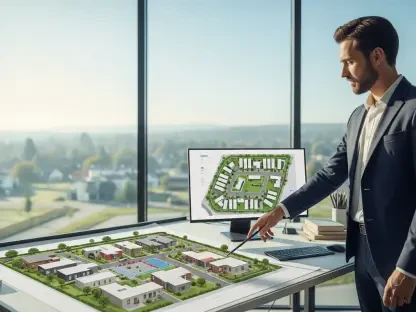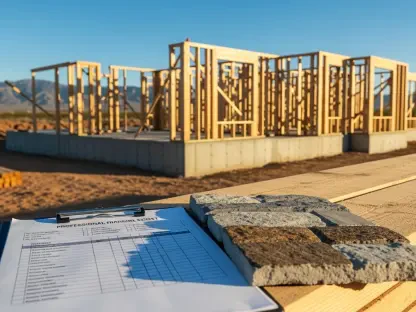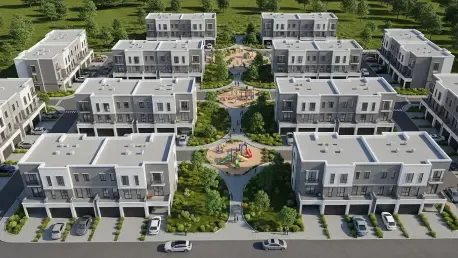

The rapid expansion of the North Texas metropolitan area has historically pushed high-density residential developments toward the northern outskirts of the region, yet a significant new project in South Denton indicates that the most impactful shifts in modern living are now taking place within the traditionally underserved southern corridor. Bridge Tower has officially initiated the development of Teasley Crossing, a specialized 100-home build-to-rent community situated at 3501 Curve Avenue that seeks to rebalance a housing market currently leaning heavily toward central and northern districts. This ambitious undertaking arrives at a pivotal moment for the city, as residential demand continues to outpace the supply of diverse housing types that accommodate various stages of life. By focusing on the southern part of the city near the border of Corinth, the developer is targeting a specific geographical gap where infrastructure exists but modern rental options remain scarce. Construction is progressing rapidly, and the first wave of residents is expected to occupy these new residences by September 2026. This timeline underscores the urgent need for housing that combines the benefits of a detached home with the operational ease of a professional rental agreement.
Structural Innovation: The Rise of Professional Rental Neighborhoods
The architectural blueprint for this community centers on three- and four-bedroom duplex-style residences that average approximately 1,675 square feet, providing a scale of living that is often missing from the standard apartment market. These units were meticulously engineered to cater to a demographic that requires more than just a place to sleep; they are designed for families and professionals who value the privacy and spatial advantages of a traditional suburban house. Each residence includes a two-car garage and an open-concept interior layout that eliminates the cramped feeling associated with high-density urban living. Private fenced backyards are a standard feature, offering a secure outdoor space for children or pets that is rarely found in traditional leasing scenarios. By providing these amenities, the development effectively removes the long-term financial hurdles of a mortgage while retaining the lifestyle hallmarks of homeownership. This approach bridges the gap between the flexibility of a lease and the psychological satisfaction of having a private, standalone domestic environment.
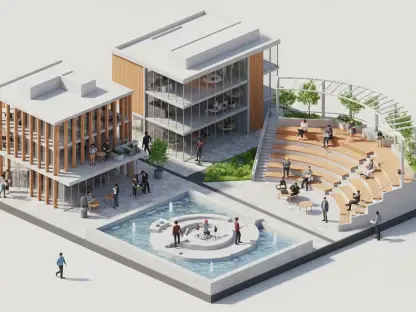
Interior finishes within the Teasley Crossing units reflect a commitment to contemporary standards, featuring stainless steel appliances and integrated smart home technology as baseline requirements. These technological integrations allow residents to manage their home environment with greater efficiency, a feature that has become a non-negotiable expectation in the modern Texas rental market. Beyond the individual units, the master plan incorporates shared community amenities such as a playground and a network of walking trails to foster a neighborhood atmosphere. This design philosophy acknowledges that modern tenants are looking for a sense of belonging and community engagement rather than just an isolated living space. The developer has positioned these communal assets to encourage interaction among neighbors, mirroring the social dynamics of an established suburban subdivision. This synthesis of private luxury and public utility creates a living experience that is highly competitive with both the traditional rental market and the entry-level home buying sector, offering a viable alternative for those who prefer mobility and professional management.
Strategic Positioning: Connecting Local Infrastructure with Modern Demand
Location remains the primary catalyst for the anticipated success of this development, as the site sits at the strategic intersection of Teasley Lane and Loop 288. This proximity provides residents with immediate access to essential local infrastructure, including walking-distance convenience to a Kroger Marketplace and short commutes to major hubs like the University of North Texas and the Rayzor Ranch Town Center. Additionally, the development is located within the highly rated Denton Independent School District, which significantly enhances its appeal to families seeking quality education without the necessity of purchasing property in a volatile market. The accessibility to recreational areas like Lake Lewisville further integrates the community into the broader North Texas lifestyle, making it an attractive anchor for those who work in the Dallas-Fort Worth metroplex but prefer a quieter residential setting. This logistical advantage ensures that the community is not an isolated enclave but a well-integrated component of the existing city fabric that supports the daily needs of its inhabitants.
The vertical integration strategy employed by Bridge Tower, which encompasses everything from site entitlement to long-term asset management, ensured that the project maintained a high standard of quality throughout its execution. This model provided a consistent experience for the community, as the same entity that designed the neighborhood remained responsible for its daily operations and maintenance. By expanding its footprint near the existing Saddlebrook community, the developer demonstrated a concerted effort to diversify housing options across the North Texas region. The completion of this project offered a template for how municipalities and private developers collaborated to solve housing shortages through innovative rental models. Future urban planning in Denton looked toward these types of purpose-built communities as a solution for balancing growth and accessibility. Stakeholders evaluated the success of Teasley Crossing as a benchmark for subsequent developments, emphasizing the importance of blending suburban comfort with the modern requirements of a mobile and tech-savvy workforce that prioritized convenience over traditional ownership.