
Canberra’s notoriously tight rental market, characterized by soaring prices and critically low vacancy rates, has long posed a significant challenge for its residents, prompting a search for innovative solutions that can deliver both supply and stability. A new proposal for a large-scale residential project in the inner-north suburb of Turner is now bringing a promising but relatively untested model to the forefront of this discussion: Build-to-Rent (BTR). An application submitted by investor Cedar Pacific outlines a vision for 306 purpose-built rental units on a prominent Northbourne Avenue site, a project that represents more than just new housing stock. It serves as a crucial litmus test for whether institutionally backed, professionally managed rental developments can fundamentally reshape the capital’s housing landscape, offering a potential path toward greater affordability, long-term security for tenants, and a new standard for urban living. The project’s progress is being closely watched, as its success or failure could significantly influence future housing policy and investment strategies aimed at alleviating the city’s persistent supply shortage.
A New Blueprint for Urban Living
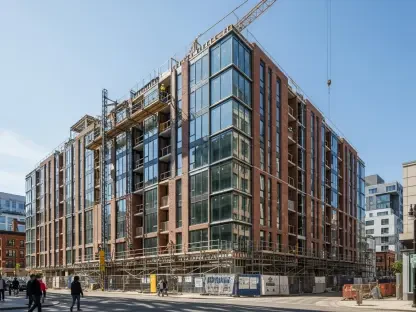
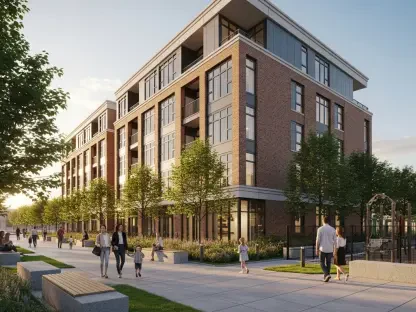
The development planned for the 7070 sqm site at the corner of Northbourne Avenue, Condamine Street, and Forbes Street represents a significant capital investment, following the land’s acquisition for $30 million in July 2024. The architectural vision involves three distinct buildings, ranging from eight to nine stories, thoughtfully arranged around a central landscaped courtyard designed to foster a sense of community. The tallest structure is slated to face the city’s main arterial road, Northbourne Avenue, creating a landmark presence, while two slightly shorter buildings will line the quieter residential streets. The proposed housing mix is intentionally diverse to cater to a wide demographic, including 93 studios, 130 one-bedroom apartments, 71 two-bedroom units, and 12 innovative dual-key three-bedroom apartments. With internal floor plans spanning from a compact 40 sqm to a spacious 98 sqm, the design aims to accommodate everyone from single professionals to growing families, moving beyond the one-size-fits-all approach often seen in traditional apartment construction.
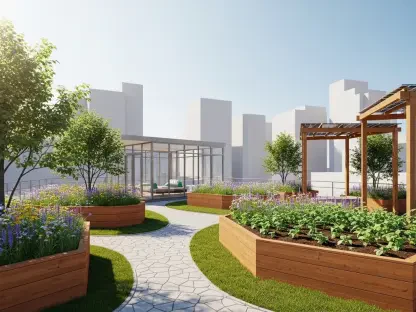
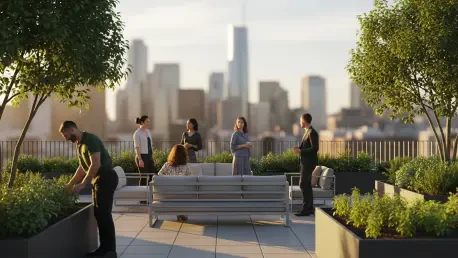
Beyond the private residences, the project places a heavy emphasis on creating a holistic living environment through an extensive array of shared amenities. This approach is central to the BTR model, which sells a lifestyle and a service, not just a lease. The proposal includes dedicated co-working spaces to accommodate the rise of remote work, a modern gym, and multiple resident lounges for social gatherings. The design extends vertically with rooftop gardens offering green space and city views, while a private cinema provides on-site entertainment. Recognizing the importance of sustainable transport, the plan incorporates extensive bicycle parking and an electric vehicle carshare fleet for resident use. These features are designed to cultivate a vibrant, convenient, and interconnected community, managed under a single professional entity. This contrasts sharply with the fragmented nature of the private rental market, offering tenants a level of service and access to facilities typically reserved for high-end owner-occupied developments.
The Sustainability and Affordability Nexus
A core pillar of the Turner proposal is its deep commitment to environmental sustainability, aiming for a prestigious 5-star Greenstar rating. This is not merely an afterthought but a foundational element of the design, most notably through the planned use of Cross Laminated Timber (CLT) in its construction. This engineered wood product is a key strategy to significantly lower the project’s embodied carbon emissions compared to traditional concrete and steel methods. Furthermore, CLT is recognized for contributing to improved indoor air quality and the overall well-being of occupants. The green initiatives extend throughout the development, with a rooftop solar system to generate clean energy, advanced rainwater harvesting systems for water conservation, and apartment layouts optimized for natural cross-ventilation. A high-performance thermal facade will enhance energy efficiency, reducing heating and cooling costs for residents and minimizing the buildings’ environmental footprint for years to come.
Crucially, the development directly confronts the city’s affordability crisis by integrating a substantial social housing component. The plan commits to delivering over 40 affordable rental units within the complex, which will be managed by a specialized community housing provider to ensure they reach those most in need. This integrated model is a significant departure from developments that either ignore affordability or segregate such housing. The project is buoyed by government support, benefiting from favorable tax settings designed specifically to encourage BTR investment and stimulate the rental market. This public-private collaboration is further underscored by the government’s decision to allocate another BTR-designated site in Gungahlin, signaling a clear policy direction that views this model as a vital tool. By weaving together market-rate and affordable housing with high-sustainability standards, the project aims to create a socially inclusive and environmentally responsible community.
A Pivotal Moment for Canberra’s Rental Market
This Turner development is not just another apartment complex; it represents a pioneering venture that could set the precedent for the future of Canberra’s rental sector. As only the second BTR project for Cedar Pacific, its execution and market reception are under intense scrutiny. A director at the firm noted that other institutional investors are closely observing its progress, viewing it as a bellwether for the model’s viability in the capital’s unique economic environment. For investors, the BTR model offers an attractive alternative to the speculative build-to-sell market, providing a stable, long-term revenue stream through rental income. This financial underpinning is essential for attracting the large-scale capital required to make a meaningful impact on housing supply. The project’s ability to navigate the development application process, which is open for public comment until February 19, and proceed to successful completion will likely determine the flow of future BTR investment into the Australian Capital Territory.
The lodging of this development application ultimately marked a tangible shift in the conversation around Canberra’s housing challenges. It moved beyond theoretical discussions and policy papers, presenting a concrete, privately funded yet publicly supported strategy to directly address the rental supply crisis. This proposal crystallized the potential for an institutional-grade rental sector that could offer tenants unprecedented long-term housing security, professional management, and access to premium amenities. For the city, it signaled the emergence of a new development paradigm capable of delivering diverse, sustainable, and inclusive housing at scale. The project’s journey from blueprint to a living community established a critical benchmark against which future efforts to solve the housing affordability and supply puzzle would be measured.