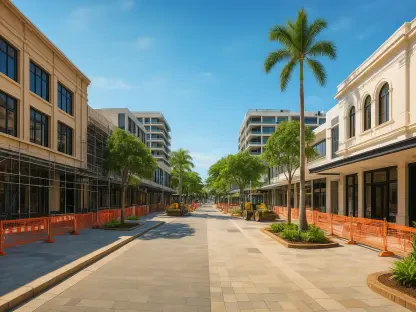

The narrow 3-2 vote reflects a deeply divided leadership struggling to balance the economic benefits of construction with the daily quality-of-life concerns of current residents. This decision by the Santa Rosa County Board of Commissioners to halt the Parkland Place North project marks a significant turning point in Northwest Florida’s approach to urban expansion. Spanning 503 acres in the Pace area, the proposal by Adams Homes represented one of the most ambitious residential and commercial efforts in the region’s modern history. While the developer promised a high-quality mixed-use community featuring 1,500 homes, the sheer magnitude of the request forced a confrontation between those prioritizing economic growth and those fearing the collapse of local services. The rejection underscores a growing consensus that the era of unfettered rezoning has ended, as officials now demand that infrastructure improvements precede, rather than follow, any large-scale residential construction.
Financial Ambitions and the Developer’s Vision
The strategic blueprint for Parkland Place North was spearheaded by Garden Street Communities, a subsidiary of the regionally prominent Adams Homes. This vision took shape following a substantial land acquisition finalized in late 2024, involving a combined investment of over eight million dollars for a 503-acre tract. The developer intended to create a “walkable neighborhood” that would extend the aesthetic standards of existing Parkland Place developments while integrating an 80,000-square-foot retail center along Berryhill Road. Recognizing the community’s apprehension regarding rapid influxes of new residents, the proposal featured a disciplined ten-year build-out timeline. This phased approach, starting from the current cycle in 2026 and extending through 2036, was designed to ensure that earthwork and utility installations occurred in manageable increments. However, the plan’s scale remained a central point of contention for local residents worried about overcrowding.
The site’s historical context added another layer of complexity to the commission’s deliberations, as the land had been the focus of controversy for nearly two decades. Previously owned by Jubilee Development Group, the acreage was once designated for a high-density “utopia” that local activists viewed as a symbol of excessive overdevelopment. Although Adams Homes sought to distance its current proposal from the legacy of the failed Jubilee project, many residents and local leaders still associated the location with past battles over density and community character. Local activists described the previous history as a burden that continued to influence public sentiment against any large-scale activity on that specific plot of land. Despite the developer’s professional reputation and detailed environmental studies, the ghost of past proposals created a defensive atmosphere. The commissioners were forced to weigh the merits of the current plan against the long-standing skepticism of a vocal constituency.
The Critical Impact: Traffic and Infrastructure
Infrastructure limitations, specifically concerning road capacity and traffic safety, served as the primary justification for the project’s ultimate defeat. During the public hearings, several commissioners identified existing traffic counts as the definitive metric that necessitated a “no” vote. The Berryhill Road corridor already operates at high volume, and the introduction of 1,500 additional households would have introduced thousands of new daily vehicle trips to an already stressed transportation network. To mitigate these concerns, the developer offered to construct a 100-foot wide right-of-way through the property to assist the county with future expansion efforts. Nevertheless, the majority of the board remained unconvinced that this contribution would offset the immediate pressures placed on surrounding intersections. For many officials, the physical reality of the road system acted as a hard ceiling, regardless of the quality or the potential long-term benefits of the proposed residential community.
The financial landscape of the county further complicated the approval process, specifically regarding the uncertainty of future tax revenue. A looming referendum regarding homestead exemptions created a significant fiscal paradox that the commission could not ignore. If voters approve changes to the tax structure later this year, the county could face a massive reduction in property tax collections, which currently fund the “shovel-ready” road projects necessary for growth. Commissioner Rhett Rowell argued that it would be irresponsible to approve new high-density housing without a guaranteed revenue stream to pay for the expansion of Berryhill Road. This economic caution reflected a broader trend where municipalities are becoming increasingly wary of assuming long-term infrastructure debt in an unpredictable legislative environment. The risk of adding demand for services while simultaneously losing the ability to pay for them proved to be an insurmountable hurdle for the project’s proponents.
Strategic Outcomes: The Future of Regional Planning
The debate also highlighted a sharp philosophical divide regarding the role of established local builders, as supporters emphasized the 35-year pedigree of Adams Homes in Santa Rosa County. Proponents argued that since growth is unavoidable, the county should prioritize partnering with “homegrown” entities that utilize local subcontractors rather than allowing outside firms to dominate the market. In an effort to secure approval, the developer even proposed pre-paying approximately $1.1 million in impact fees as a gesture of good faith. This proactive financial incentive was meant to demonstrate that the builder was willing to contribute directly to infrastructure solutions before breaking ground. However, the 7-1 negative recommendation from the Zoning Board and the intense public pressure regarding Berryhill Road eventually outweighed the benefits of supporting a local business. The vote indicated that even significant financial contributions may no longer be enough to overcome transportation deficits.
The final rejection of the Parkland Place North proposal signaled a definitive shift toward a more conservative and infrastructure-first planning philosophy in the region. By prioritizing road capacity and fiscal stability over immediate residential expansion, the commission established that development must now be synchronized with the physical capabilities of the local government. For future builders, this outcome suggested that standard impact fees and right-of-way concessions might no longer be sufficient to secure large-scale rezoning approvals. Instead, developers were encouraged to engage in integrated planning that includes direct participation in regional transportation solutions before a project reaches the final hearing stage. Stakeholders monitored upcoming infrastructure referendums, as those results would dictate the feasibility of any future large-scale communities. This case established a precedent that current quality of life is the primary concern for officials when managing growth.