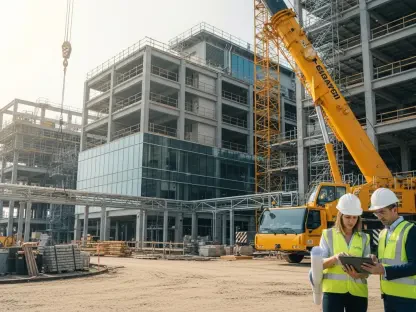

The sheer magnitude of the global skyline currently pulses with the rhythmic movements of construction cranes as 15,922 hotel projects redefine the limits of hospitality architecture. As of the final quarter of last year, the industry saw its pipeline swell to a record-breaking pinnacle, encompassing roughly 2.4 million rooms worldwide. This momentum signals a 1% year-over-year increase, highlighting the geographic strongholds driving growth and the strategic pivots brands make to capture market share. By analyzing the shift toward premium segments and the rise of property conversions, this analysis uncovers why the hospitality sector is betting so heavily on a future of physical expansion.
Historical Context and the Road to Record-Breaking Pipelines
To understand the current construction boom, one must look at the industry’s recovery trajectory following years of global volatility. Historically, hotel development was often cyclical, sensitive to interest rate hikes and fluctuating tourism numbers; however, the recent era introduced a fundamental shift in how developers approach risk. The current highs are built upon a foundation of pent-up demand and a strategic reallocation of capital toward markets that demonstrated resilience during economic downturns. This historical resilience has transformed hotel assets from speculative ventures into essential components of diversified real estate portfolios, setting the stage for the massive project volumes seen in the United States and China today.
The Dominance of Major Markets and Premium Segments
Concentrated Growth in Global Powerhouses and Urban Hubs
The sheer scale of the current pipeline is largely fueled by the dual engines of the United States and China. Currently, the U.S. commands a staggering 39% of the global pipeline, with 6,146 active projects, while China maintains a firm second place, representing 23% of the market. Interestingly, this growth is not evenly distributed across all territories but is concentrated in high-performing urban centers. Cities like Dallas and Atlanta in the U.S., alongside Chengdu in China, have become the epicenters of development. These hubs benefit from robust corporate travel and infrastructure investments, making them the primary targets for developers looking to maximize their return on investment in a crowded marketplace.
The Rise of Luxury and Upper Upscale Developments
A defining characteristic of this all-time high is the aggressive expansion into premium chain scales. Rather than focusing on budget or mid-scale offerings, developers are pouring resources into luxury and upper upscale segments, both of which reached record project counts recently. Globally, luxury projects climbed 8% year-over-year, while the upper upscale category saw a 9% jump. This trend reflects a wealth bifurcation in the consumer market where high-end travelers continue to spend despite broader economic pressures. Major industry leaders have signaled that luxury brands remain their primary focus, capitalizing on the resilient demand for high-tier experiences.
The Strategic Pivot Toward Property Conversions
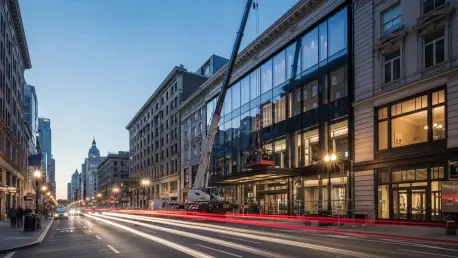
Beyond new builds, the industry is witnessing a record-breaking surge in conversions, which is the process of rebranding or repurposing existing structures into new hotel properties. This segment has grown by 13% year-over-year, reaching 2,815 projects. Conversions allow hospitality giants to expand their footprints rapidly without the long lead times and high capital expenditures of ground-up construction. This approach offers a flexible solution to market entry, especially in densely populated urban areas where vacant land is scarce. By leveraging conversion-friendly brands, companies adapt existing assets to modern standards, ensuring they remain competitive while minimizing the environmental impact of new construction.
Technological Shifts and Economic Evolution in Hospitality
Looking ahead, several emerging trends are expected to further shape the construction landscape. Technological integration is moving from a luxury amenity to a structural necessity, with developers increasingly incorporating smart building systems and AI-driven energy management into early-phase planning. Furthermore, the record 5,937 projects currently in the early planning stages suggest that the industry is not just reacting to current demand but is preparing for a sustained period of growth. Regulatory changes regarding sustainability and carbon footprints are also likely to influence how these future projects are executed, favoring developers who can balance massive scale with environmental responsibility.
Key Takeaways for Industry Stakeholders and Investors
Data provides a clear roadmap for stakeholders navigating this high-growth environment. For developers, the message is one of strategic specialization where focusing on premium segments and urban hubs remains the most viable path to success. For investors, the rise in conversions offers a lower-risk entry point into established markets. Actionable strategies include prioritizing brands with strong loyalty programs and investing in technology that enhances the guest experience while reducing operational costs. By understanding these market dynamics, professionals better position themselves to capitalize on the sustained momentum of the global hospitality pipeline.
Conclusion: A New Era for Global Hospitality Construction
The reaching of all-time highs in global hotel construction represented more than just a statistical milestone; it was a testament to the enduring appeal of travel and the strategic agility of the hospitality industry. From the dominance of American and Chinese markets to the record growth in luxury tiers and conversions, the sector evolved to meet a more nuanced and demanding consumer base. The massive volume of projects in early planning ensured that this expansion was not a fleeting trend but the beginning of a sustained era of development. For the global travel industry, the message remained clear: the future was built through record-breaking commitment and physical presence.